

Sleep: The Hero in Injury Recovery
In our busy lives, sleep is often overlooked in favor of productivity. However, adequate sleep play a vital role in the body's healing process especially when recovering from injuries. Discover the important link between sleep and injury recovery, and how prioritizing rest can enhance your body's ability to heal and the reason Sleep is the hero in injury recovery.
What is Sleep?
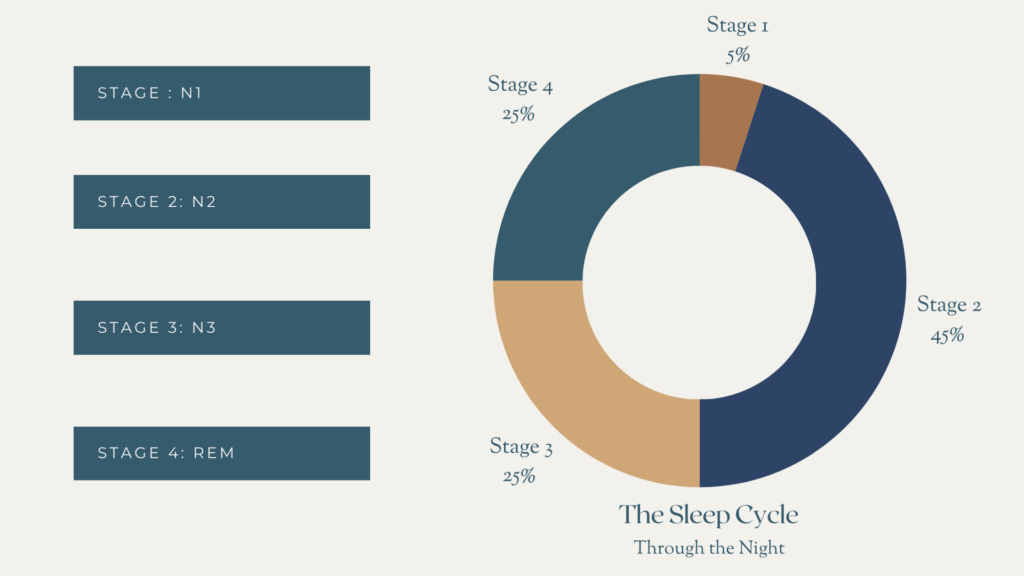
Sleep is a fundamental aspect of our lives, yet it remains one of the most mysterious experiences of human existence. Each night as we settle into bed, we enter a realm where reality blurs, and our subconscious mind takes control. But what is sleep exactly ? Sleep is a complex process that involves a delicate interplay between the brain and the body. It is a dynamic period with distinct stages, each with its own unique features and functions. There are four distinctive stages of sleep.
What are the Sleep Stages?
Stage 1: marks the beginning of our nightly journey into the realm of dreams. This initial stage sets the foundation for deeper restorative sleep to follow.
Stage 2: Next, a drop in temperature occurs, relaxed muscles, and a slowing of both breathing and heart rate are the physical markers.
Stage 3: Muscle tone decreases, pulse slows, and breathing becomes shallower. This Stage of sleep is essential for restorative processes. It is believed to be crucial for bodily recovery and growth.
Stage 4: During REM sleep, the brain becomes highly active, similar to when we are awake. This stage of sleep is crucial for cognitive functions like memory consolidation, learning, and creativity.
Check out this video for more information
The Importance of Sleep in Recovery
Rest is often recommended for recovering from injuries, but quality sleep is crucial for injury recovery. During sleep, the body repairs tissues, promotes muscle growth, and releases growth hormones. Sleep also helps regulate inflammation, a key factor in the body's response to injury. Without sufficient sleep, these processes are disrupted, delaying healing and prolonging recovery time.

The Science Behind Sleep and Recovery
Recovery is a term in the Health and Wellness field that has different meanings for different people. It can refer to the time immediately after a workout, a break from exercise, or the healing process after an injury. Recovery is a comprehensive process that aims to restore personal resources and achieve full functional capacity. But why is recovery so important for injury healing, especially for those who enjoy physical activity?

- Blood flow is crucial for delivering oxygen, nutrients, and essential materials to tissues and muscles. During deep sleep, blood flow to these areas increases, aiding in the delivery of necessary components for recovery and repair processes.
- Sleep facilitates the release of reparative hormones, such as growth hormone and prolactin. Growth hormone peaks during sleep stage 3, playing a crucial role in tissue repair, muscle growth, and strengthening.
- Prolactin, a hormone released during sleep, plays a crucial role in promoting effective recovery. It acts as an anti-inflammatory agent, helping to reduce inflammation, which can worsen damage and prolong the recovery process.
What is Sleep Hygiene?
Sleep hygiene involves establishing a consistent sleep schedule, creating a relaxing bedtime routine, maintaining a comfortable sleep environment, avoiding stimulants like caffeine and electronics before bed, and getting regular exercise. By following these practices, you can improve your sleep quality and overall health.
Poor sleep hygiene can lead to various issues like difficulty falling asleep, frequent waking at night, and feeling tired upon waking. Chronic sleep problems can contribute to upon waking. Chronic sleep problems can contribute to health issues such as obesity, diabetes, heart disease, and depression.
Sleep Hygiene Tips for Recovery
- Maintain a Constant Sleep Schedule: Try to go to bed and wake up at the same time everyday, including weekends. This practice helps regulate your body’s internal clock and improves the quality of your sleep.
- Optimize Your Sleep Environment: Ensure your bedroom is conducive to sleep by maintaining a cool, dark, and quiet atmosphere. Invest in a quality mattress and pillows, and consider using blackout curtains or a white noise machine to eliminate disturbances.
- Limit Screen Time Before Bed: Avoid using electronic devices such as smartphones, tablets, and computers before bedtime. The blue light emitted by these devices can disrupt your body’s production of melatonin, a hormone that regulates sleep. Instead, opt for reading a book or listening to calming music to help you unwind before sleep.
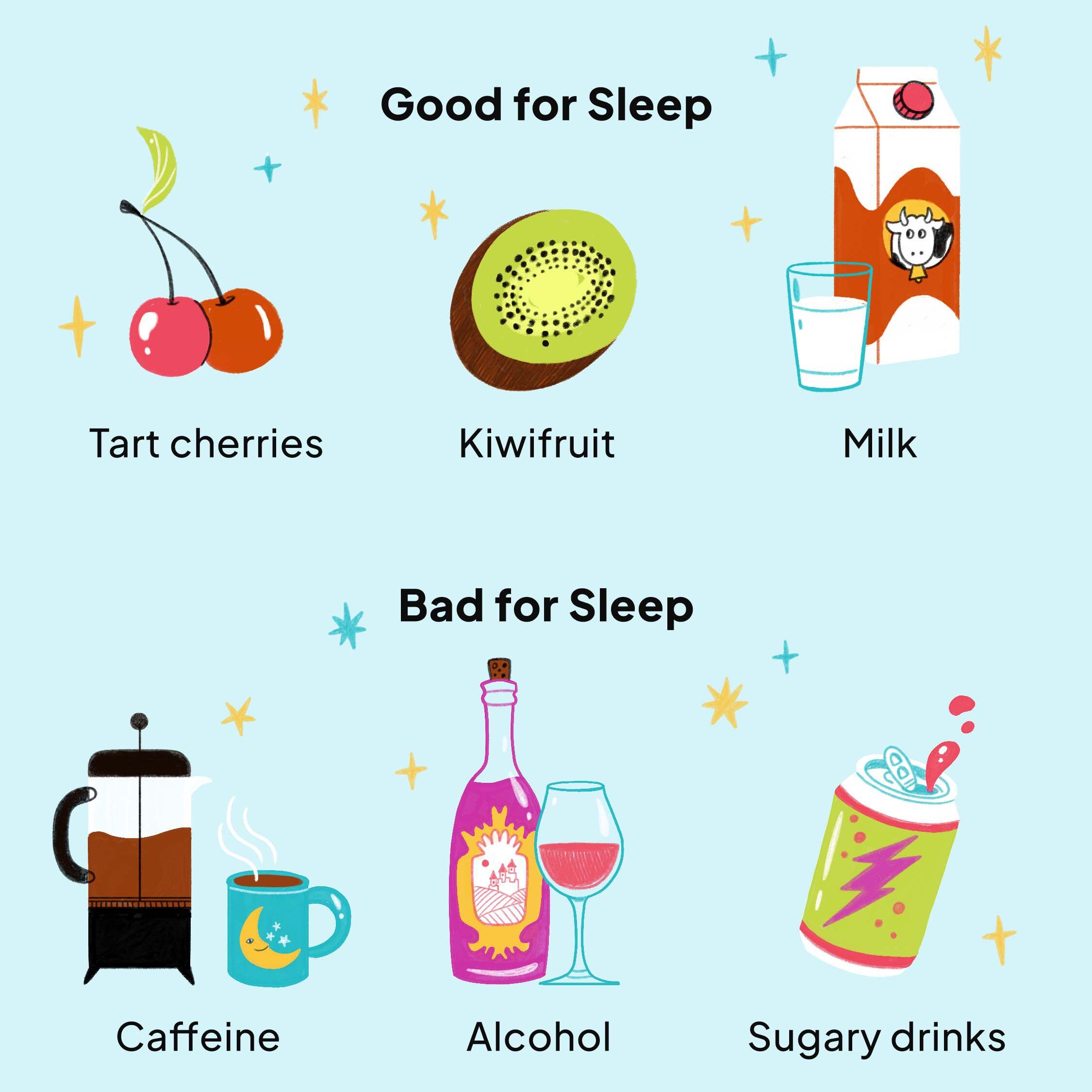
- Watch What You Eat and Drink: Avoid consuming caffeine, alcohol, and heavy meals close to bedtime as they can disrupt your sleep. Instead, choose light, healthy snacks and herbal teas that promote relaxation.
- Exercises Regularly: Regular exercise can improve sleep quality and duration. Aim for at least 30 minutes of moderate exercise most days of the week, but avoid vigorous exercise close to bedtime as it may disrupt sleep. Check out our blog post “3 Tips to Prepare Your Body for Exercise“ for more information.
- Manage Stress: Stress and anxiety can significantly impact sleep quality. Practice stress management techniques such as mindfulness meditation, yoga, or journaling to help calm your mind and prepare your body for sleep.
FAQ’S
How Many hours of Sleep should I get?
Newborns (3 months or younger): 16-18 hours
Infants (4-11 months): 12-16 hours
Toddlers (1-2 years): 11-14 hours
Preschoolers (3-5 years): 11-13 hours
School-aged children (6-13 years): 9-11 hours
Teenagers (14-17): 8-10 hours
Adults (18 and older): 7-9 hours
Seniors (65 years and older): 7-8 hours
Can I catch up on lost sleep?
While it is possible to catch up on missed sleep to some extent consistently depriving yourself of sleep and trying to make up for it later can lead to sleep debt and may have negative effects on your health and well-being. It is best to prioritize regular, adequate sleep every night. Coupled with, good sleep hygiene you will be set
Can lifestyle changes help improve sleep?
Yes, lifestyle changes such as regular exercise, maintaining a healthy diet, reducing stress, avoiding caffeine and alcohol before bedtime, and creating a comfortable sleep environment can all contribute to better sleep quality.