
ACL Injuries: The Rehab Role of Physiotherapy

Understanding ACL Injuries and Physiotherapy Protocols for Returning to Sport
Anterior cruciate ligament injuries, better known as ACL injuries, are a significant concern for athletes, affecting knee stability, and can cause knee pain. Physiotherapists, play a crucial role in recovery after trauma to the ACL by painting a larger picture in the causes, diagnosis and treatment an ACL tear.
What is the ACL?
The anterior cruciate ligament (ACL) is a structure within the knee joint that plays a large role in maintaining knee stability. Located at the center of the knee, it connects the femur (thigh bone) to the tibia (shin bone), and prevents the tibia from moving too far forward relative to the femur. The ACL is particularly important during activities that involve sudden stops, changes in direction, and torsional movements, which are common types of movements in many sports.
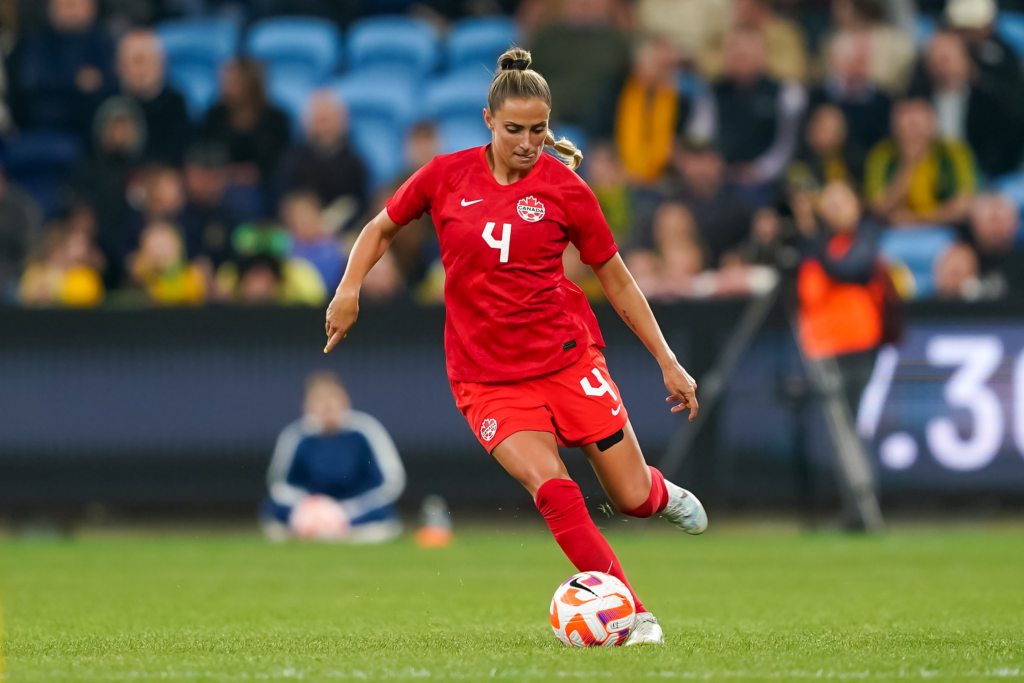
To diagnose an ACL injury, physiotherapists often perform the anterior drawer test. This involves pulling the tibia forward while the femur is stabilized. Excessive forward movement indicates a lax or torn ACL, suggesting instability within the knee joint. Sports such as soccer, basketball, and skiing heavily rely on the ACL for stability during rapid directional changes and jumps.
ACL Tears: Types and Diagnosis
ACL injuries can vary in severity, which can be categorized into grades:
- Grade 1: Mild damage where the ligament is slightly stretched but still functional.
- Grade 2: Partial tear with some loss of function and noticeable laxity.
- Grade 3: Complete tear resulting in significant instability and loss of function.
Imaging techniques like MRI can be used for confirming the extent of an ACL tear. An MRI provides detailed images of soft tissues, making it the preferred method for diagnosing ACL injuries.
Causes and Prevalence of ACL Tears
ACL tears often occur during sports that involve pivoting, sudden stops, or jumping. Soccer, basketball, and skiing are among the sports with the highest incidence of ACL injuries. Many ACL injuries are sports-related, with soccer players being particularly susceptible. Studies have women are more likely to suffer ACL tears than men, likely due to anatomical and hormonal differences.
Physiotherapy’s Role Post-ACL Trauma
Physiotherapy is integral to recovery after an ACL tear, regardless of whether surgery is performed. Approximately 50% of individuals with an ACL tear undergo surgical repair, particularly athletes and those with high activity levels. Post-surgery, physiotherapists guide patients through rehabilitation protocols designed to restore strength, flexibility, and stability to the knee.
For all stages of ACL recovery, a structured physiotherapy program is crucial. The rehabilitation plan typically includes exercises to strengthen the muscles around the knee, improve balance, and maintain overall leg strength. Early-stage rehabilitation may involve isometric exercises and gentle range-of-motion activities, progressing to more dynamic and sport-specific drills as the treatment plan progresses.
Return to Sport Protocols and Bracing
Returning to sport after an ACL injury requires careful adherence to protocols established by surgeons and physiotherapists. An example of this is the Fowler Kennedy Protocol, developed by Western University, which outlines a step-by-step approach to ensure safe and effective recovery. This includes milestones for strength, range of motion, and functional performance tests.
Bracing can also be a valuable component of recovery. Custom ACL braces like the Ossur Rebound Dual, Ossur Rebound ACL, or Ossur CTi, can provide additional support and stability, allowing athletes to return to their activities with greater confidence.

End Goals
ACL injuries affect a wide range of individuals, from professional athletes to recreational sports enthusiasts. Effective rehabilitation is essential to prevent long-term complications such as muscle wasting, instability, and recurrent injuries. Physiotherapists play a pivotal role in every stage of ACL recovery, offering tailored treatment plans that cater to both surgical and non-surgical candidates.
The journey to recovery is multifaceted, involving various exercises and therapies designed to restore function and strength. For example, early-stage rehab might include exercises like straight leg raises and heel slides to maintain muscle activity without stressing the healing ligament.
Ultimately, the goal is to return patients to their previous levels of activity safely and efficiently, highlighting the importance of physiotherapy in managing ACL injuries. With the right approach, individuals can regain stability, strength, and confidence in their knee function, allowing them to resume their sporting activities with reduced risk of re-injury.