

Back Pain Every Day? How Poor Posture Leads to Constant Aches and Stiffness

Understanding the quiet connection between poor posture and everyday back pain
Do you want to develop chronic back pain over something as simple as changing your posture? The truth is, most people don’t realize how much their posture matters until the back pain becomes too much to ignore.
You don’t need to be hunched over dramatically for your posture to become a problem. Even subtle slouching or leaning can create tension leading to pain in your neck, shoulders and lower back.
The good news? With a little awareness and a few simple changes, you can start reducing your back pain and finally feel better in your own body.

Does your back pain seem to follow you everywhere? From your bed to your desk to your couch – you certainly are not alone. That dull, nagging ache you feel might not be from stress or aging like you think. More often than not, poor posture is to blame for your everyday back pain.
The way you sit at your desk at work, scroll through your phone, or even relax on the couch could be silently adding strain to your spine. Over time, your poor posture can lead to stiffness, soreness, and the kind of chronic back pain that becomes part of your everyday life.
Check out this link for quick and easy tips on how to help your posture!
Why Posture Matters More Than You Think

Your posture isn’t just about “looking straight.” It directly influences how your muscles, joints, ligaments, and spine handle the load of everyday life. When these structures are forced into a position for too long, they begin to compensate, and that’s when the discomfort starts. Over time, those small compensations can lead to muscular imbalances, joint stiffness, and persistent, hard-to-ignore pain.
Your posture affects how your muscles, joints, ligaments, and spine handle daily stress. When your body is forced into a position for too long, it compensates, leading to:
- Muscle imbalances
- Joint stiffness
- Persistent pain
Even mild posture issues can have a domino effect:
Slouched sitting → lower back and hip pain
Forward head tilt → neck strain
Rounded shoulders → upper back tension
Small Habits That Lead to Big Problems
Most posture-related issues develop slowly. You might not notice anything at first — a little stiffness here, a bit of tension there — but your body is always keeping score. Over time, these subtle habits can turn into more noticeable discomfort, reduced mobility, or pain that seems to come “out of nowhere.”
Some common posture habits that contribute to chronic pain include:
- Sitting for long hours without movement
- Leaning toward your laptop
- Holding your phone low and looking down
- Standing with weight shifted to one side
- Slouching on the couch at the end of the day
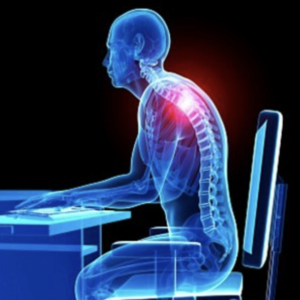
These habits may feel natural in the moment, but your body pays for them later.
The Good News: Posture Can Be Improved
The best part about posture-related back pain is that it’s highly treatable.
With the right awareness and guidance, you can retrain your body, reduce pain, and build healthier movement patterns.
Simple changes make a big difference:
- Adjusting your desk or workspace
- Taking regular movement breaks
- Improving core and back strength
- Increasing mobility in the spine and hips
- Learning how to sit, stand, and move with less strain
Small changes → less pain → better quality of life.
Simple Exercises to Improve Posture and Reduce Back Pain
Here are a few easy exercises you can do at home or in the office. Repeat daily for best results:
| Exercise | How to Do It | Benefits | Link to Video Demonstration |
|---|---|---|---|
| Chin Tucks | Sit tall, gently tuck your chin toward your chest, keep shoulders relaxed | Corrects forward head posture | Chin Tucks |
| Shoulder Blade Squeeze | Pull shoulder blades together and hold | Strengthens upper back, reduces rounded shoulders | Shoulder Blade Squeeze |
| Cat-Cow Stretch | On hands & knees, arch then round your back | Improves spinal mobility | Cat-Cow Stretch |
| Thoracic Extension on Chair | Sit on a chair with a backrest at mid-back height. Place hands behind your head, gently arch back over the chair, opening chest and upper back. | Increases thoracic mobility, reduces upper-back stiffness, counteracts slouching | Thoracic Extension on Chair |
| Bird Dog | Start on hands and knees. Extend your right arm forward and left leg back, keeping hips level. Return to start and switch sides. | Strengthens core, back, and glutes; improves spinal stability | Bird Dog |
💡 Tip: Set reminders throughout your day to do quick stretches. Small, consistent movements can prevent stiffness and chronic pain.
A Simple Tool That Makes Better Posture Even Easier
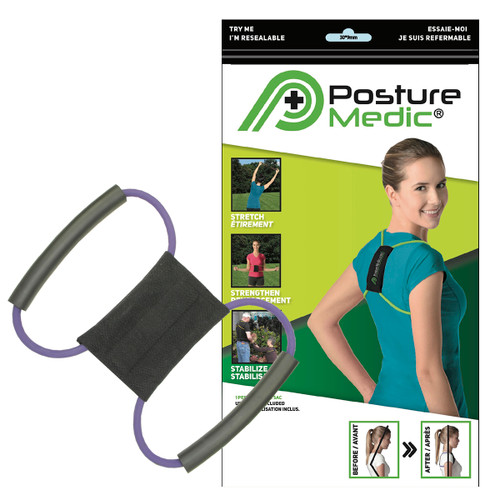
If you struggle to keep good posture throughout the day, especially at work, a simple tool can make a huge difference. One of the most effective supports is the PostureMedic, a specially designed posture training device that helps you strengthen the right muscles and reminds your body how to sit and stand correctly.
It’s perfect if you:
- find it hard to maintain good posture while working
- catch yourself slouching without realizing it
- need help activating your upper-back and postural muscles
- want a portable way to stretch and strengthen during breaks
Why we recommend it:
The PostureMedic works by gently guiding your shoulders back, activating the muscles responsible for healthy posture, and providing resistance for strengthening exercises. Pairing it with the exercises above can speed up your results and make good posture feel more natural.
👉 SOS Physiotherapy carries the PostureMedic in-clinic, so you can pick the right size, get fit properly, and have a physio show you how to use it safely and effectively.
BOOK NOW for your Physiotherapy Assessment and to ask about Posture Medic!
How Physiotherapy Helps Break the Cycle
If your back pain has become a regular part of your day, a physiotherapist can help you get to the bottom of it. Physio isn’t just about treating injuries — it’s about helping your body move better, feel stronger, and prevent long-term issues before they start.

A physiotherapist can help by:
- Identifying which posture habits are contributing to your pain
- Releasing tight muscles and reducing tension
- Improving mobility in the joints of your spine, hips, and neck
- Strengthening weak areas that need more support
- Teaching you healthier movement and posture strategies
- Preventing future flare-ups and chronic issues
People are often surprised at how quickly they notice relief once they understand what’s causing their pain — and how to correct it.
Click here to learn more about the ways our SOS physiotherapy team continues to help patients reduce and improve their back pain.
A Targeted Treatment That Relieves Back Pain Fast: Dry Needling
When tight, overworked muscles contribute to your back pain, dry needling can be an incredibly effective way to release tension quickly. It targets those stubborn trigger points — the tight knots deep in the muscle — that often don’t respond fully to stretching or massage alone.
Dry needling works by inserting a very thin, sterile needle into the trigger point, helping the muscle relax and reset. Many people feel an immediate release or noticeable improvement in their movement afterward.
Why Dry Needling Helps With Posture-Related Pain
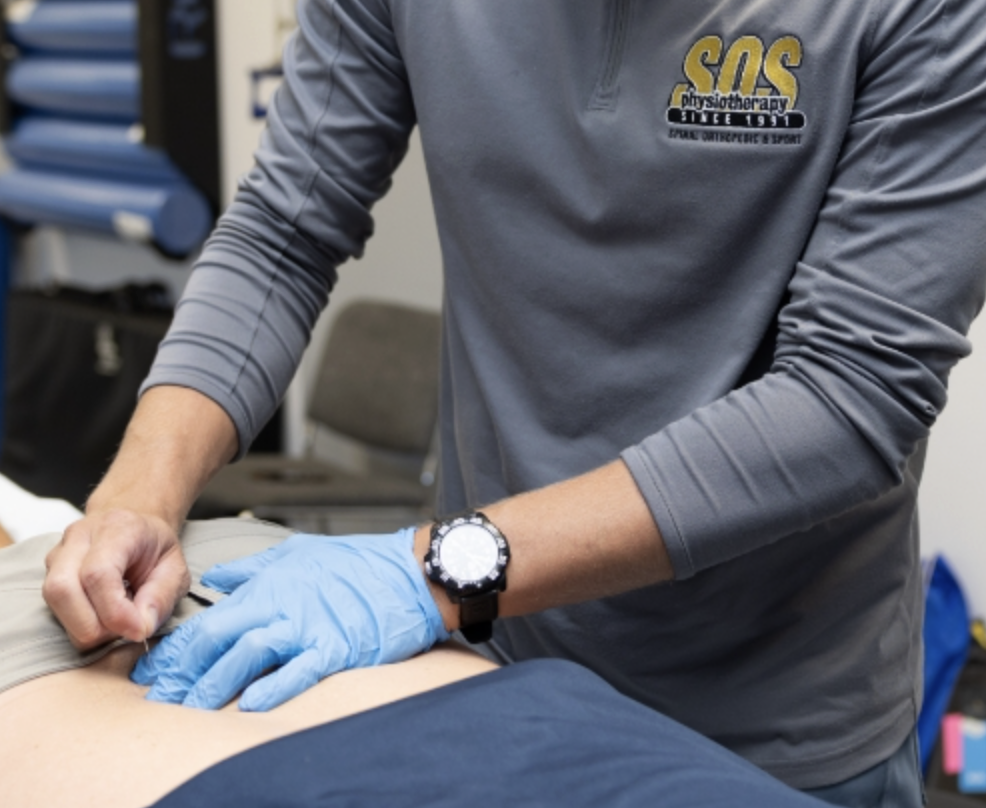
Dry needling is especially useful if your poor posture has led to:
- deep, nagging low-back tightness
- knots in your upper or lower back
- stiffness that doesn’t improve with stretching
- tension from long hours sitting at a desk
By reducing these stubborn muscle restrictions, it becomes much easier to improve your posture and maintain it throughout the day.
👉 SOS Physiotherapy offers dry needling as part of our personalized treatment plans, and your physio can help determine if it’s right for your specific back pain.
Learn more about it here!
FAQ – Your Posture & Back Pain Questions Answered
How do I know if my posture is causing my back pain?
If your pain worsens after sitting or standing for long periods, or keeps returning despite rest, posture is likely a factor.
Do I need a major injury to see a physiotherapist?
No. Physiotherapy can help with mild aches, stiffness, or posture-related discomfort, not just major injuries.
What happens during a physiotherapy session?
Sessions typically include:
- A personalized plan for daily improvement
- A discussion about your habits and pain
- A posture and movement assessment
- Hands-on treatment and corrective exercises
Can posture exercises really make a difference?
Absolutely. Targeted exercises strengthen weak muscles, release tension, and retrain your body to sit, stand, and move efficiently. Consistency is key, small daily improvements add up quickly.
Can I combine physiotherapy with other treatments like massage or dry needling?
Definitely. Physiotherapy often works best as part of a combined approach, including hands-on therapies, posture exercises, and targeted treatments like dry needling to release tight muscles and improve mobility.
How often should I do posture exercises?
Ideally, small daily sessions work best. Even 5–10 minutes of consistent exercises, stretching, or posture checks throughout your day can make a noticeable difference over time.
Can posture-related back pain become chronic?
Yes, if left unaddressed. Even mild posture issues can gradually lead to muscle imbalances, joint stiffness, and chronic discomfort over time. Early intervention helps prevent long-term problems.
Have more questions? Or ready to get booked in and finally take control of your back pain? Our team at SOS Physiotherapy is here to help, simply visit our website to submit an appointment request or call any of our locations.
We can’t wait to help you on your journey to better movement and lasting relief.