
Concussion Symptoms Won’t Go Away? Try Physiotherapy
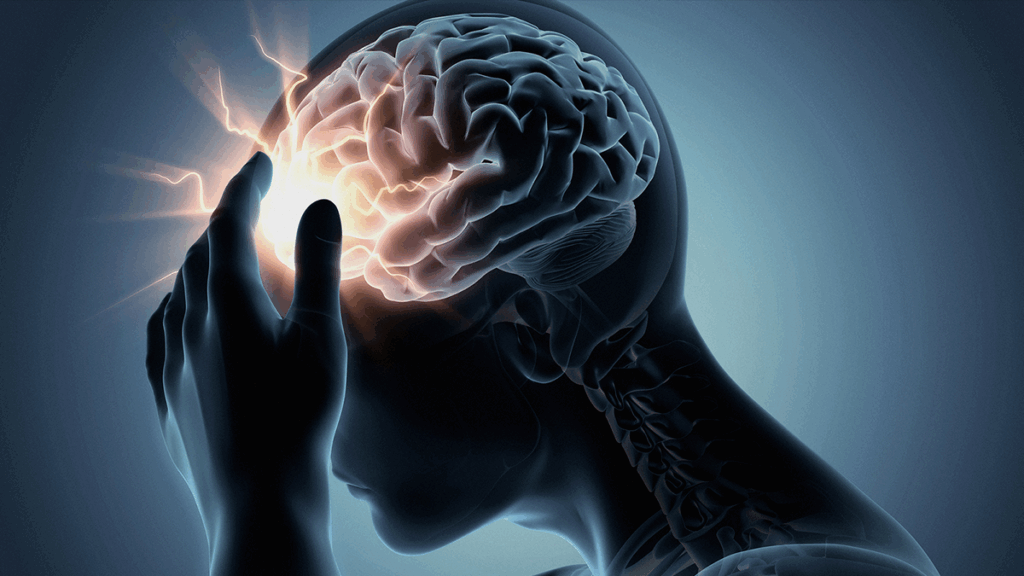
Have you been dealing with headaches, nausea, blurred vision, or having trouble concentrating for more than 3 months after a knock to the head? You might be experiencing post-concussion syndrome, where physiotherapy can help!
But, before we dive into how physiotherapy can support your recovery, let’s take a step back and understand what post-concussion syndrome is, how concussions occur, the symptoms to watch for, and finally, we will delve into the ways in which physiotherapy can help you get back on track.
Common Causes of Concussions
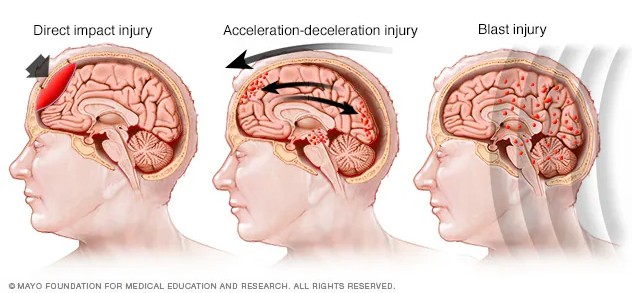
Concussions can happen in many ways- from falls, car accidents, or contact sports where the head takes a hard hit, which causes the brain to shift back and forth inside the skull, hitting the inner walls.
What we don’t always think about is that even violent shaking or sudden movement of the head or body can cause concussion.
Is It a Whiplash or a Concussion?
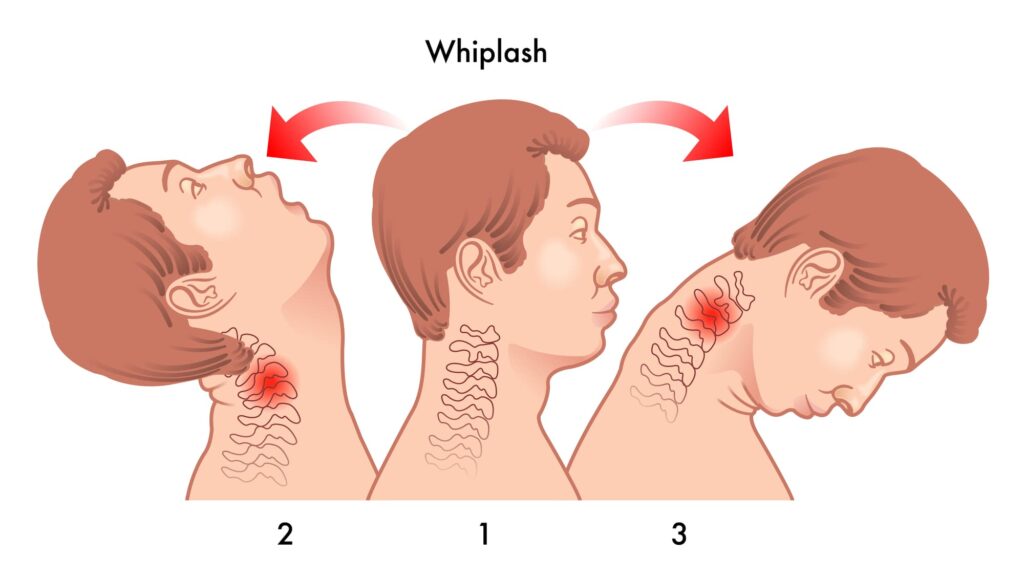
A concussion affects the brain, while a whiplash affects the neck. Whiplash happens when your head suddenly jerks back and forth – that can take place in a sports hit or a rear-end car accident – straining the muscles and ligaments in your neck.
Since the same motion can jolt the brain, a whiplash can sometimes cause a concussion, but not always!
Sometimes it’s just the neck that’s injured, and the brain stays safe inside the skull.
From Concussion to Post-Concussion Syndrome: Understanding The Shift
In most cases, symptoms following a concussion can occur for 2 to 6 weeks. But, sometimes those symptoms can stick around; lasting 3 months, 6 months or even up to a year. When this happens, it’s called post-concussion syndrome.
About 10-20% of people who experience a concussion will also develop post-concussion syndrome. So what increases the chances of a concussion turning into a post-concussion syndrome?
Some people are more likely to develop post-concussion syndrome than others. The risk is a bit higher if you are:
- In your 20s or 30s
- An older adult
- Have a history of headaches
- Have had a previous concussion
- Anxiety is something you already deal with
What Symptoms Can Look Like
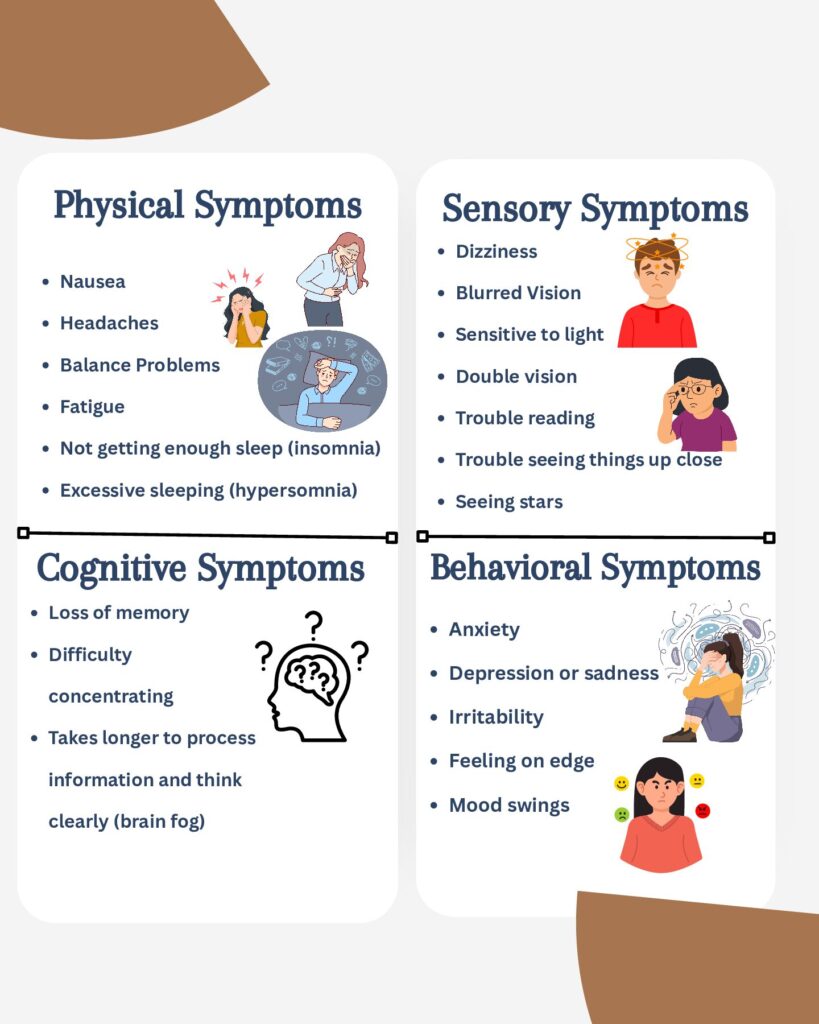
Concussion symptoms can affect both the body and brain in many ways. While the symptoms are similar to those of a typical concussion, individuals going through a post-concussion syndrome tend to experience those symptoms for a longer period of time.
These symptoms can be grouped into 4 main categories:
- Physical
- Sensory
- Cognitive
- Behavioral
Typical Concussion Symptoms and Warning Signs
Cracking the Case: Diagnosing Post-Concussion Syndrome
These symptoms are great to keep an eye on if you think you might have a concussion, but there’s more! Other diagnostic tools and tests can help confirm what’s going on. Click here and then the ‘Test Details’ tab at the top of the page to learn more!
Think You Need to Lose Consciousness for a Concussion? Think Again!
Concussions don’t always involve losing consciousness! That’s right, in fact many people experience a concussion without ever blacking out– so it’s something to keep in mind. Even if you didn’t lose consciousness following a hit to the head, it’s important to check in with yourself.
Ask yourself these questions:
- Am I experiencing a headache?
- Do I see stars?
- Do I feel off balance?
If so, you may have had a concussion – It’s best to get this checked out to be safe.
Curious about other misconceptions? Watch this video below to learn more!
Rowan’s Law
Let’s circle back to why it’s so important to get checked out after a hit to the head, even if you think you’re fine. Sometimes a concussion doesn’t show up right away, and you might feel okay at first.
You may experience symptoms that you think will just go away with time and that there’s nothing to worry about. But your brain could still need time to heal.
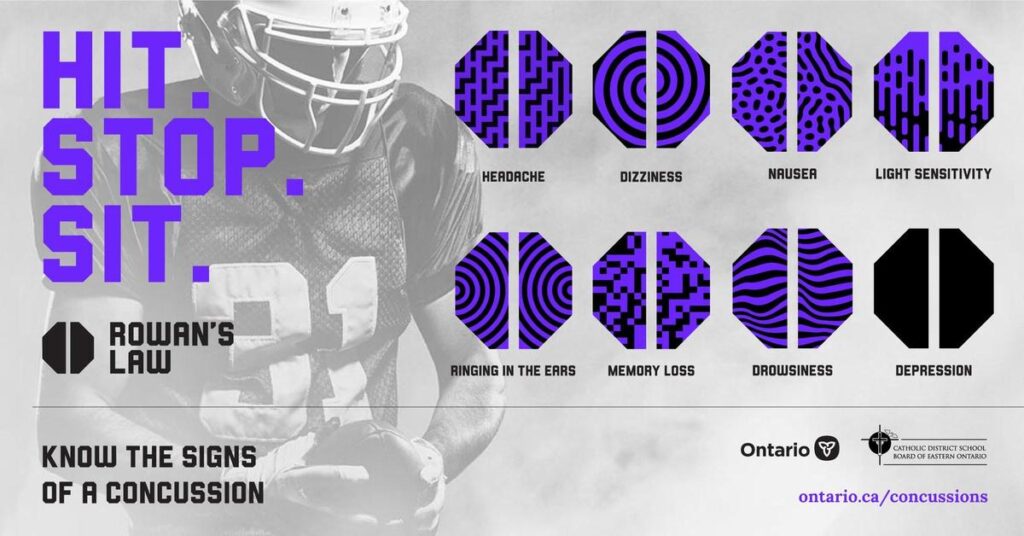
That’s exactly why Rowan’s Law exists, named after Rowan Stringer, a high school rugby player from Ottawa. Rowan tragically passed away from second impact syndrome after suffering multiple concussions in just six days.
She did not undergo any medical evaluation following the initial head injury and didn’t realize her brain needed rest and recovery time.
Getting a concussion checked out and giving your brain time to heal isn’t just important, it’s protected by law.
Recovering From a Concussion? Here’s How to Take Care
Things To Do:
- ✅ First things first: Make sure you’ve been checked by your doctor, cleared to rest at home, and assessed to rule out any serious injuries.
- 😴 Rest up! Take it easy for the first 24 hours and make sure you’re getting good sleep, it’s one of the best ways to help your brain recover and recharge. If someone needs to wake you up, you should be easy to wake, that’s a good sign your brain’s doing okay.
NOTE: However, sleep recommendations should always be based on your doctor’s discretion. If your doctor has said it’s okay to sleep, rest as needed.
- 🚶♀️ Start moving (gently!) Once you feel up to it, light activities like walking, stationary biking, or swimming can help, but only if your symptoms allow. Gentle movement helps your brain heal! It can help form new neurons, reduce inflammation, boost blood flow, and help your brain rewire itself.
- 🧃 Ease back into eating. Start with clear fluids like apple juice, then slowly move back to your regular diet as you feel better.
- ❄️ Soothe the headache. Use a cold pack (with a thin cloth between the ice and your skin) on the sore area for 10–20 minutes to help with pain.
- 🧘 Go slow and listen to your body!
Things To Avoid:
🚗 No driving : concussions can slow reaction time and affect focus. Avoid driving, especially if you have vision changes, poor judgment, or slowed thinking.
🍷 Skip the alcohol : it can worsen symptoms and hide warning signs of a serious brain injury.
🏒 Avoid sports or risky activities : another head hit too soon can cause more severe brain damage.
📱 Limit screens & reading : for the first 48 hours, go easy on TV, phones, and video games.
💡 Watch your environment : bright lights, loud noises, and crowds can make symptoms worse.
The Role Of Physiotherapy In Recovery
Recovering from a concussion isn’t just about resting — your brain and body often need guided support.
Physiotherapy focuses on reducing symptoms, improving balance and coordination, and supporting a safe return to daily activities.
After a concussion, many people experience neck pain, dizziness, headaches, and balance difficulties. These symptoms often have a cervicogenic (neck-related) component, and that’s where physiotherapists play an important role.
Important Medical Disclaimer
Before beginning physiotherapy, it’s essential to be assessed by a medical doctor to rule out any serious or traumatic brain injury. A physician must first confirm and diagnose a concussion to ensure it is safe to proceed with physio care.
Manual Therapy
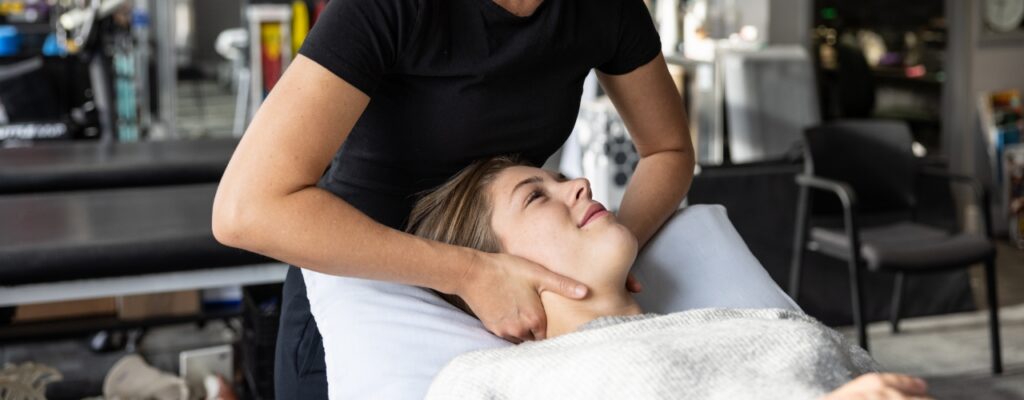
Tension and stiffness in the neck can contribute to those common symptoms we see. Through careful assessment of neck movement and strength, our physiotherapists here at SOS will work to identify areas of restriction or weakness. These can be improved using manual therapy techniques and targeted exercises, which help relieve discomfort and restore mobility.
Vestibular Therapy
A concussion can throw off the connection between your eyes and sense of balance. You may experience issues with eye movement and difficulties focusing on objects. Vestibular rehabilitation can help retrain your brain and restore the function through specific eye and head movement exercises improving coordination. Vestibular therapy helps you steady your vision, boost your balance, reduce dizziness, build strength, and lower your risk of falls, helping you feel confident and in control again. Click here to learn more about Vestibular Therapy.
Vertigo, which is that spinning sensation where you or your surroundings seem to move, is often triggered by changes in head position.
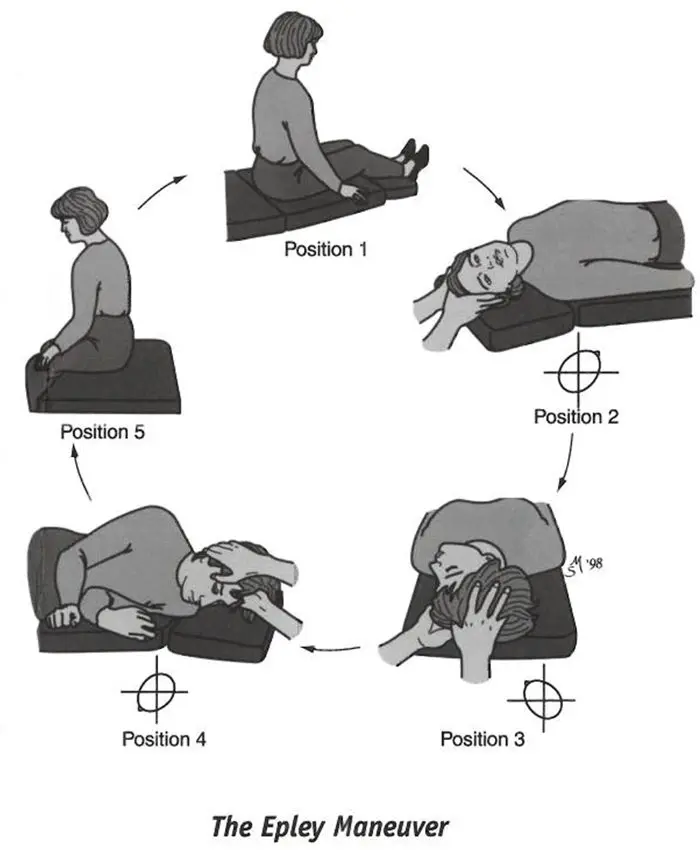
When vertigo occurs after a concussion, it can be due to inner ear dysfunction, where the tiny structures in your ears, the ear crystals become dislodged and move into the wrong parts of the inner ear, specifically the semicircular canal.
These crystals can then send confusing signals to your brain about your body’s position, where the brain is getting mixed signals from the eyes, the body and the inner ear, where this dysfunction results in the spinning sensations.
Repositioning techniques such as Epley Maneuver can be performed at SOS to treat balance problems and vertigo. Click here to learn more about Vertigo and how SOS can help overcome your dizziness.
Patient Education
Physiotherapists at SOS don’t just focus on treatment, but also educate patients about why these symptoms occur and how specific areas of the neck and inner ear contribute to what your feeling. Understanding the “why” behind the symptoms and the ways in which certain treatment tackle those symptoms can help you get a bigger picture of how your treatment plan supports recovery.
Ready To Start Your Recovery?
Give your nearest SOS Physiotherapy clinic a call to learn more or to schedule your visit. The SOS team is here to support you every step of the way!
FAQs
How do I know if a concussion might actually be a more serious brain injury?
Seek immediate medical attention at the emergency department if you notice any of the following red-flag symptoms: seizures, vomiting, confusion or difficulty recognizing people and places, unusual or concerning behavior, trouble staying awake or waking up, numbness or weakness, slurred speech, or one pupil appearing larger than the other.
When is it safe to return to sports after a concussion?
Any athlete who sustains a head injury must stop playing immediately and not return the same day. Returning before the brain has fully recovered increases the risk of a more serious injury. Athletes should only return when all symptoms are gone at rest and during activity.
The return-to-play process should follow a gradual, step-by-step progression, beginning with light daily activities, then gentle aerobic exercise such as walking or swimming that helps raise the heart rate to a moderate level. If symptoms do not worsen during the activity or within the following 24 hours, they can then progress to sport-specific drills like running (without any head impact), followed by non-contact training with light resistance work. Once they can tolerate those activities, they may resume full-contact practice and eventually return to normal game play.
How can I reduce my risk of getting a concussion?
You can reduce your risk of head injuries by taking simple safety precautions. Always wear a seat belt in the car and a helmet when biking, skateboarding, or doing activities where a head impact is possible. While helmets don’t completely prevent concussions, they can protect against more serious brain injuries. Proper training and wearing the right protective sports equipment can help reduce your risk of concussion during contact sports.
At home or in other environments, keep walkways clear of obstacles like loose rugs, cords, uneven steps, or wet floors. Be mindful of low ceilings or open cupboards that you could bump your head on. Using non-slip mats and wearing well-fitting, supportive shoes can also help prevent falls and injuries of the head.