

Stress-Related Neck and Shoulder Pain: Causes & Treatment
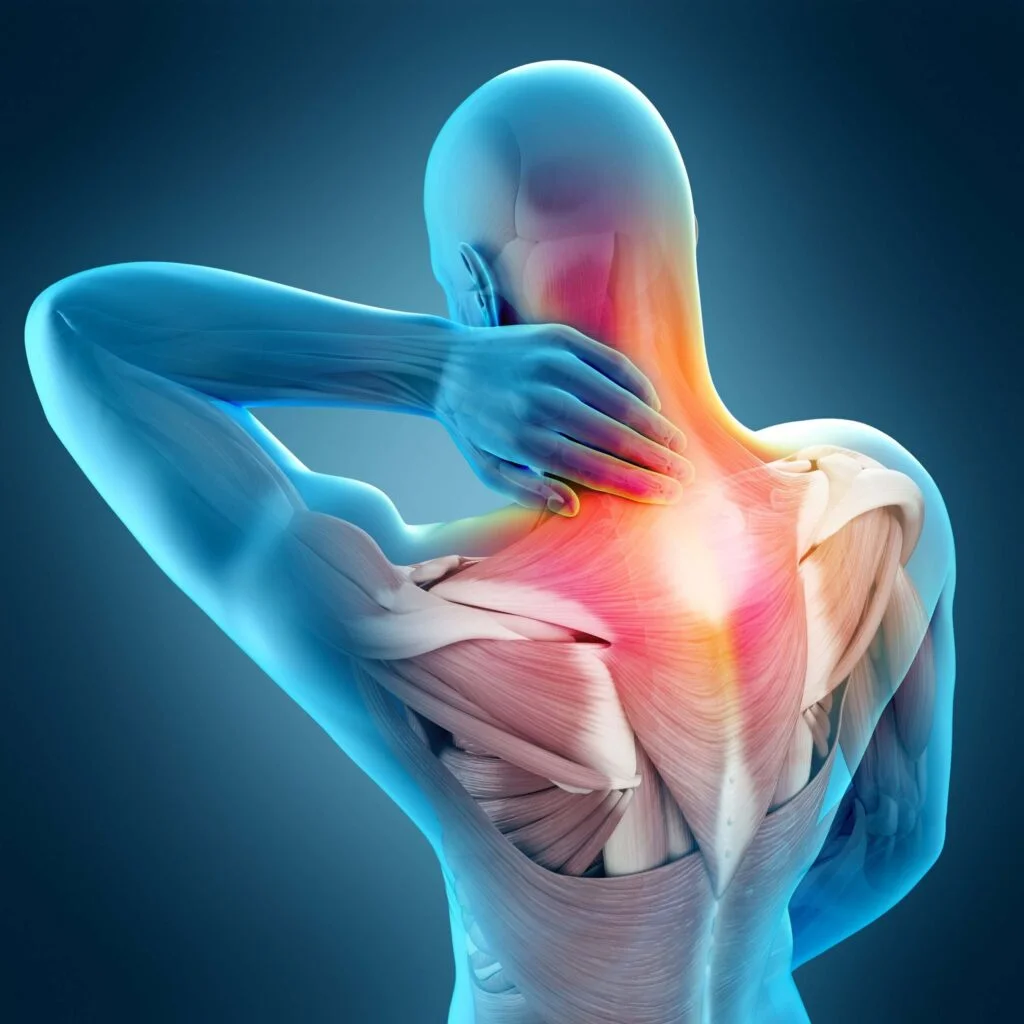
Have you ever finished a stressful day at work only to realize your neck feels stiff or your shoulders are painfully tight? Stress-related neck and shoulder pain is a common problem that affects many people, especially during periods of ongoing stress. Stress affects more than just your thoughts—it can create physical tension throughout your body.
Why Does Stress Cause Neck and Shoulder Pain?
Fight or Flight Response
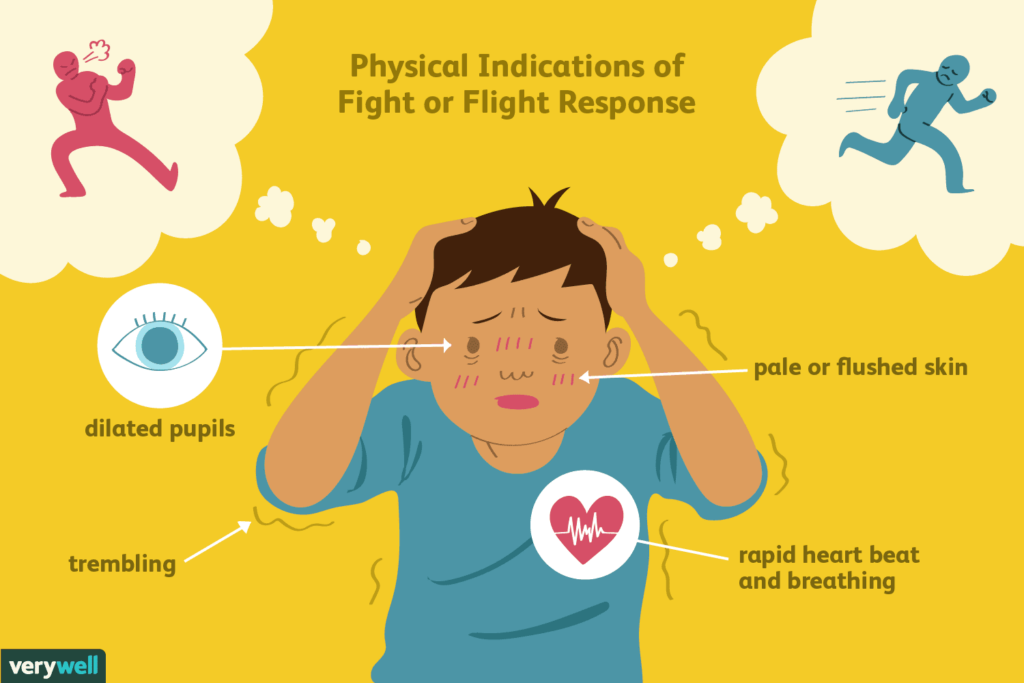
When you feel stressed—whether from work, family responsibilities, or everyday life—your body responds in physical ways. Stress activates the “fight or flight response,” a natural survival mechanism that prepares your body to respond to perceived threats.
During this response, hormones such as cortisol and adrenaline are released. These hormones increase your heart rate, sharpen your focus, and cause your muscles to tighten in preparation for action.
While this response is helpful in short-term situations, ongoing stress can keep muscles—especially in the neck and shoulders—in a constant state of tension, leading to stiffness, discomfort, and pain.
Muscle Guarding
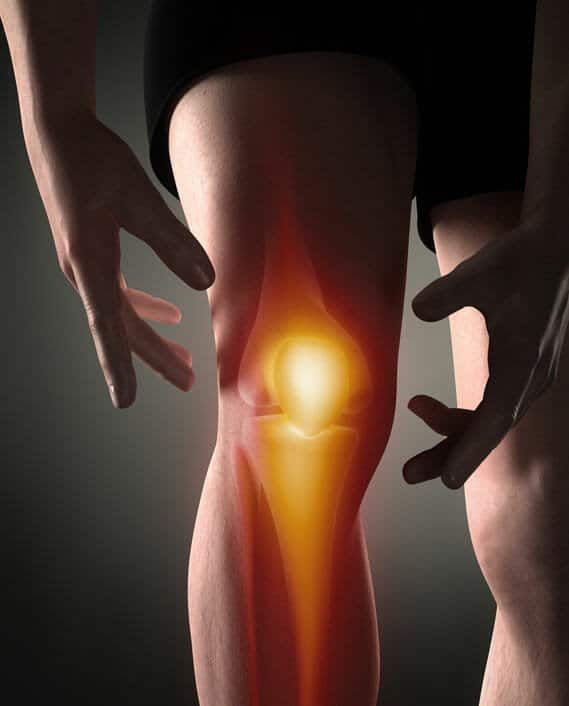
When stress becomes ongoing, your muscles may remain tense even after the stressful situation has passed. This is known as muscle guarding—a protective response where muscles stay partially contracted to help stabilize and protect the body.
While this response can be helpful after an injury, prolonged muscle guarding caused by stress can place unnecessary strain on the neck and shoulders.
Over time, constantly tightened muscles can become fatigued, reduce blood flow to the area, and contribute to stiffness, soreness, and limited range of motion.
This is why you may wake up with a stiff neck or notice aching shoulders after a particularly stressful week, even if you haven’t done any strenuous physical activity.
Poor Posture During Stress
Stress doesn’t just affect your muscles—it can also influence the way you hold your body.
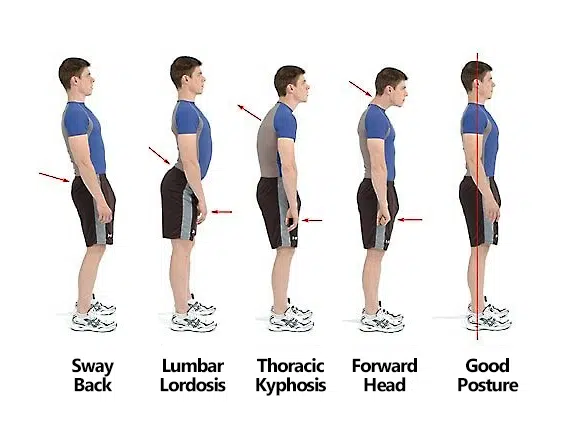
When you’re feeling overwhelmed or anxious, you may unknowingly shrug your shoulders, clench your jaw, or hunch forward over your computer or phone. These changes place extra strain on the muscles and joints of the neck, shoulders, and upper back.
Spending long periods in these positions can lead to muscle fatigue, stiffness, headaches, and discomfort. If poor posture becomes a habit, it may contribute to ongoing pain and reduced mobility, especially when combined with chronic stress.
Increased Pain Sensitivity

Chronic stress can also change how your nervous system processes pain. When stress levels remain high for long periods, your body may become more sensitive to painful stimuli.
This means muscle tension that might normally feel mild can seem more intense or last longer than expected. Stress can also interfere with sleep and recovery, creating a cycle where pain increases stress, and stress further increases pain.
Common Signs of Stress-Related Neck and Shoulder Pain
Stress-related muscle tension often develops gradually. Common symptoms include:
- Tightness in the neck, shoulders, or upper back
- Aching or soreness after a stressful day
- Tension headaches
- Reduced range of motion
- Muscle knots or tender areas
- Jaw clenching or teeth grinding
Exercises and Stretches to Relieve Neck and Shoulder Tension
Gentle stretching and movement can help reduce muscle tension, improve flexibility, and increase blood flow to tight muscles. Here are some you can try to help relieve some of your symptoms:
1. Chin Tucks
This exercise helps improve posture and strengthens the deep muscles at the front of the neck.
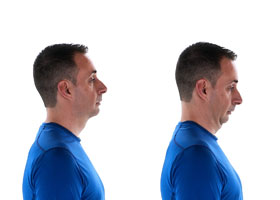
How to do it:
- Sit up straight in a chair and look directly ahead of you.
- Tuck your chin in without tilting your head down.
- Imagine a string pulling up from the back of the head.
- Hold for 10 seconds.
- Return your head to the original position.
2. Upper Trapezius Stretch
This stretch targets one of the muscles that commonly becomes tight during periods of stress.

How to do it:
- Lift one arm and bring it up and across your head.
- Sit straight and place the palm of your hand on your head.
- Use your hand to pull your head gently down towards your shoulder until a stretch is felt on the opposite side of the neck.
- Maintain the position.
- Do not turn your head or tilt it forward or backwards while you perform this stretch.
3. Levator Scapulae Stretch
This stretch can help relieve tension along the back and side of the neck.
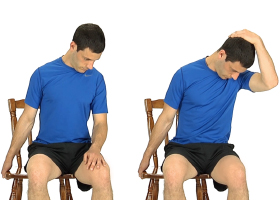
How to do it:
- Sitting on a bench or chair on the side edge, hold under the bench with the hand on the tight side, ensuring that the arm is out from the body and that the shoulder is down.
- Drop your head forward onto your chest.
- Side bend and rotate the neck away from the tight side, bringing your chin towards the opposite armpit.
- Bring your opposite hand up onto the side of your head to assist the stretch.
- Return to the starting position and repeat.
4. Shoulder Blade Squeeze
This exercise strengthens the muscles that support good posture.
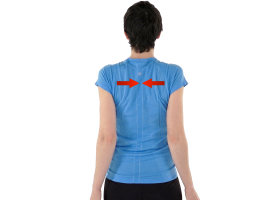
How to do it:
- Tuck your chin slightly and keep your spine tall.
- With your arms relaxed on your side squeeze your shoulder blade together with shrugging them.
- Gently relax the position and repeat.
5. Shoulder Rolls
Shoulder rolls help reduce stiffness and improve mobility.
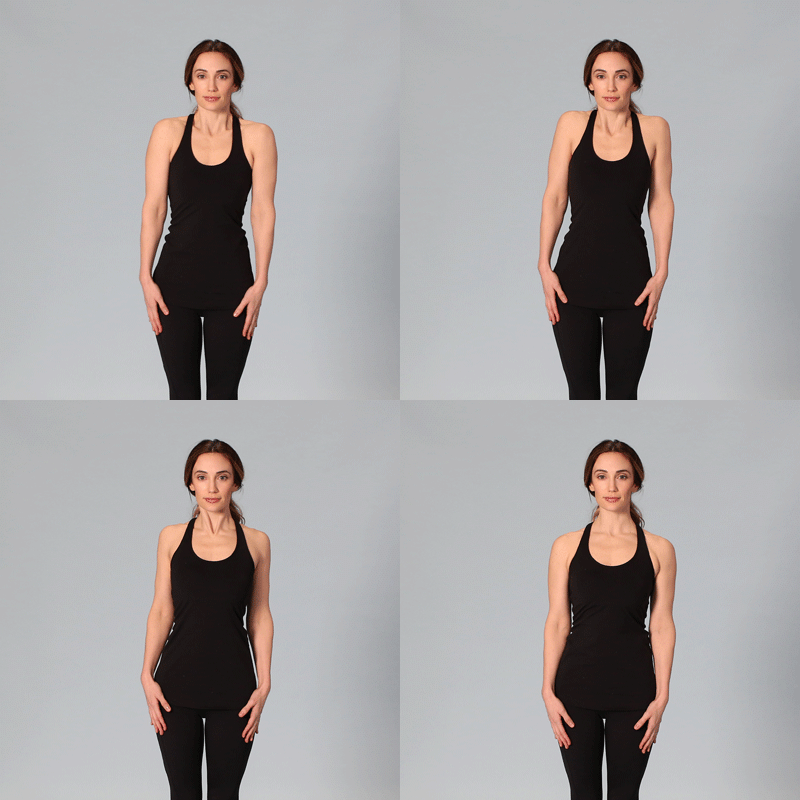
How to do it:
- Sit or stand tall.
- Slowly roll your shoulders up, back, and down in a circular motion.
- Repeat 10 times then reverse the direction and do another 10.
Other Ways to Reduce Stress-Related Muscle Tension
In addition to stretching, several healthy habits can help reduce muscle tension caused by stress:
- Take movement breaks every 30-60 minutes if you sit for long periods.
- Practice deep breathing or mindfulness to help calm your nervous system and relieve tension.
- Stay physically active with regular walking or exercise—physical activity lowers stress hormones and loosens stiff muscles.
- Stay hydrated throughout the day.
- Apply heat to the neck and shoulders to relax muscles and increase blood flow to the area.
- Consider massage therapy to reduce muscle tension, improve circulation, and promote relaxation.
When Should You See a Healthcare Professional?
If stress-related pain is interfering with your daily life—sleeping, working, or leisure activities—you should consider seeking help from a healthcare professional. Here are some signs and symptoms to look for:
- Pain persists for several weeks
- Becomes progressively worse
- You experience frequent headaches or migraines.
- Causes numbness, tingling, or weakness in your arms or hands.
- Interferes with your daily activities or sleep.
- Stiffness limits your ability to move, lift, or turn your head.
A healthcare professional can determine the underlying cause of your symptoms and recommend the most appropriate treatment plan.
How Physiotherapy Can Help Stress-Related Neck and Shoulder Pain
If stress-related neck and shoulder pain is affecting your daily activities, physiotherapy can help. A physiotherapist will assess the underlying causes of your symptoms and develop a personalized treatment plan to reduce pain, improve mobility, and prevent recurring muscle tension.
Treatment may include:
Manual Therapy
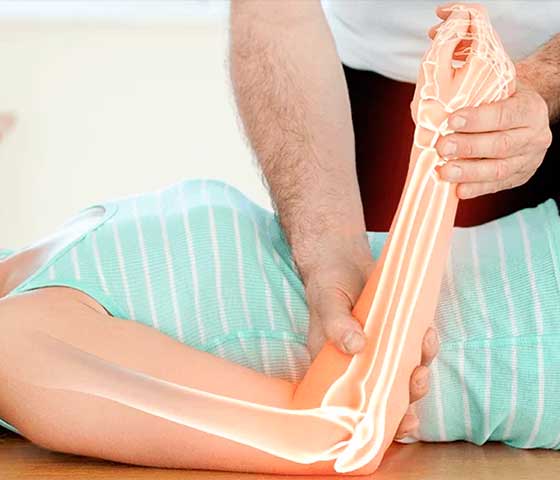
Hands-on techniques, such as joint mobilizations and soft tissue therapy, can help reduce muscle tension, improve joint mobility, and relieve stiffness in the neck and shoulders.
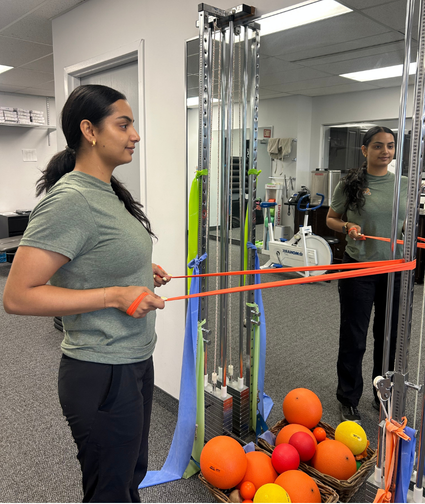
Therapeutic Exercise
Targeted stretching and strengthening exercises improve posture, increase flexibility, and build the muscles that support the neck, shoulders, and upper back. These exercises can also help reduce the likelihood of future episodes of pain.
Postural Education
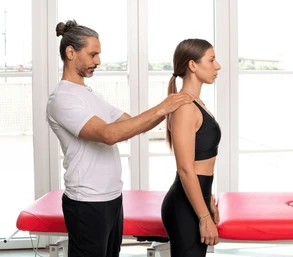
Many people unknowingly adopt poor posture during stressful periods, particularly when working at a desk. Your physiotherapist can provide guidance on workstation ergonomics, lifting mechanics, and daily movement habits to reduce unnecessary strain on your muscles and joints.
Pain Management Strategies
Your treatment plan may also include education on stress management, activity modification, relaxation techniques, and home exercises to help manage symptoms and support long-term recovery.
Take the First Step Towards Relief
Stress is a part of life, but ongoing neck and shoulder pain doesn’t have to be. By addressing muscle tension early, improving posture, staying active, and managing stress effectively, you can reduce discomfort and prevent it from becoming a long-term problem.
If your neck or shoulder pain is persistent or interfering with your daily life, the team at SOS Physiotherapy can help. Our physiotherapists will identify the underlying cause of your symptoms and develop a personalized treatment plan to help you move comfortably and get back to doing the activities you enjoy.