
Core Truths: How Physiotherapy Strengthens More Than Just Your Abs
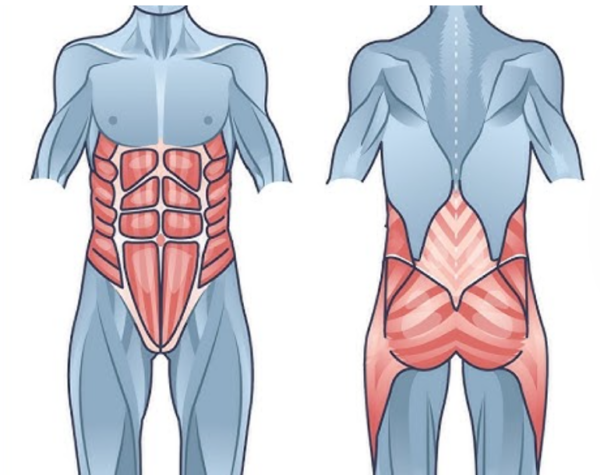
When you think of the word “core”, chances are you picture six-pack abs or endless crunches. But the truth is, your core is so much more than that. It is a group of deep and surface level muscles that work together to support your trunk and power nearly every move you make. Whether you are an athlete hoping to improve performance, a parent lifting and chasing kids around, or someone managing back pain, your core strength plays a huge role in how your body moves and functions.
In this blog post, you will learn what the core really is, why it matters way more than you think, and how physiotherapy can help you build strength and stability where it matters most.
What Is the Core, Really?
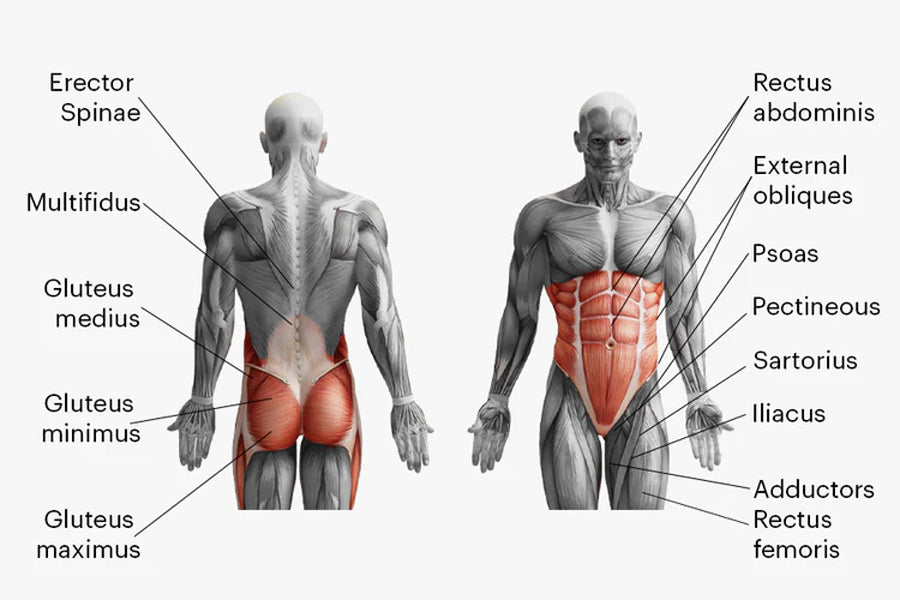
The core isn’t just your stomach muscles. It is a team of muscles that work together as the main support system for your entire body. Your core muscles can be divided into 2 categories:
- Deep core muscles– These are the stabilizers that keep your trunk steady and protect your spine. Think of it like your body’s inner foundation. The main muscles in this group are the transverse abdominis, pelvic floor, diaphragm, and multifidus.
- Outer core muscles– These muscles help with bigger movements like twisting, bending and lifting. They also work with the deeper muscles to keep your body balanced during movement. The main muscles in this group are your rectus abdominis, obliques, erector spinae and glutes. Stronger outer core muscles give you the power and control you need to do the activities to love!
When the deep and outer core muscles activate together, they create a solid foundation that allows your body to move safely and efficiently.
Why the Core Matters
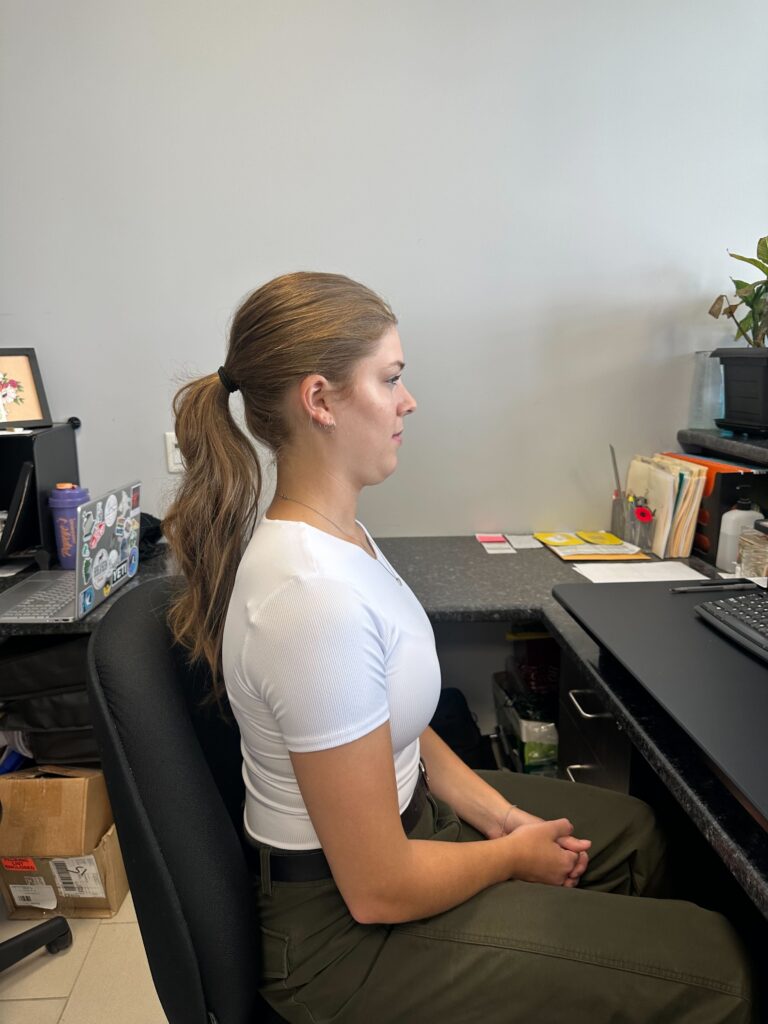
A strong core is needed to have good posture. Improving core strength will keep your spine supported and healthy.
This will help reduce back and neck pain!
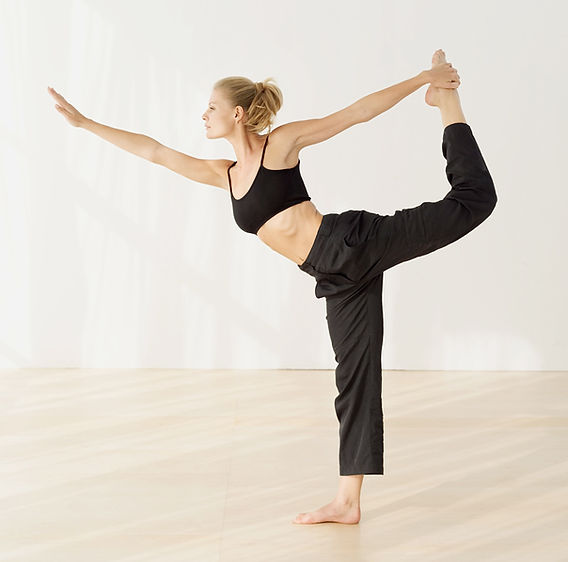
Your core helps you stay steady! Whether you are playing sports or walking across an icy side walk in the winter, your core gives you the balance and stability to stay upright.
This will help prevent falls!

From running to swimming, every sport relies on core strength for power and efficiency. Improving core strength will reduce your risk of injury!
This will help make sure you are able to perform at your best!

You don’t need to be in the gym to feel the benefits of core strength. You use you core to get out of bed in the morning, carry groceries to your car and even just to sit at a desk.
Building core strength will keep you doing all the things you love pain-free!
How Physiotherapy can help!
Physiotherapists do way more than prescribe crunches. They give you a program tailored to you!
They focus on:
- Giving you a program that is specific to your goals! Following programs online can be a great start, but having a program that is designed for you will help you achieve your goals more efficiently!
- Proper positioning and muscle activation during each movement. The physiotherapist will teach you each exercise and carefully watch over you when you try them out. They are then able to give you tips to improve your position!
- Using functional exercises to build your core and give you progressions when needed. It can be hard to come up with new exercises to do that will continue to challenge you. The physiotherapist will switch up that routine for you so you never get bored and are always progressing towards your goals!
Simple Moves to Get You Started!
Want to give your core some extra attention? Get started with these 3 exercises!
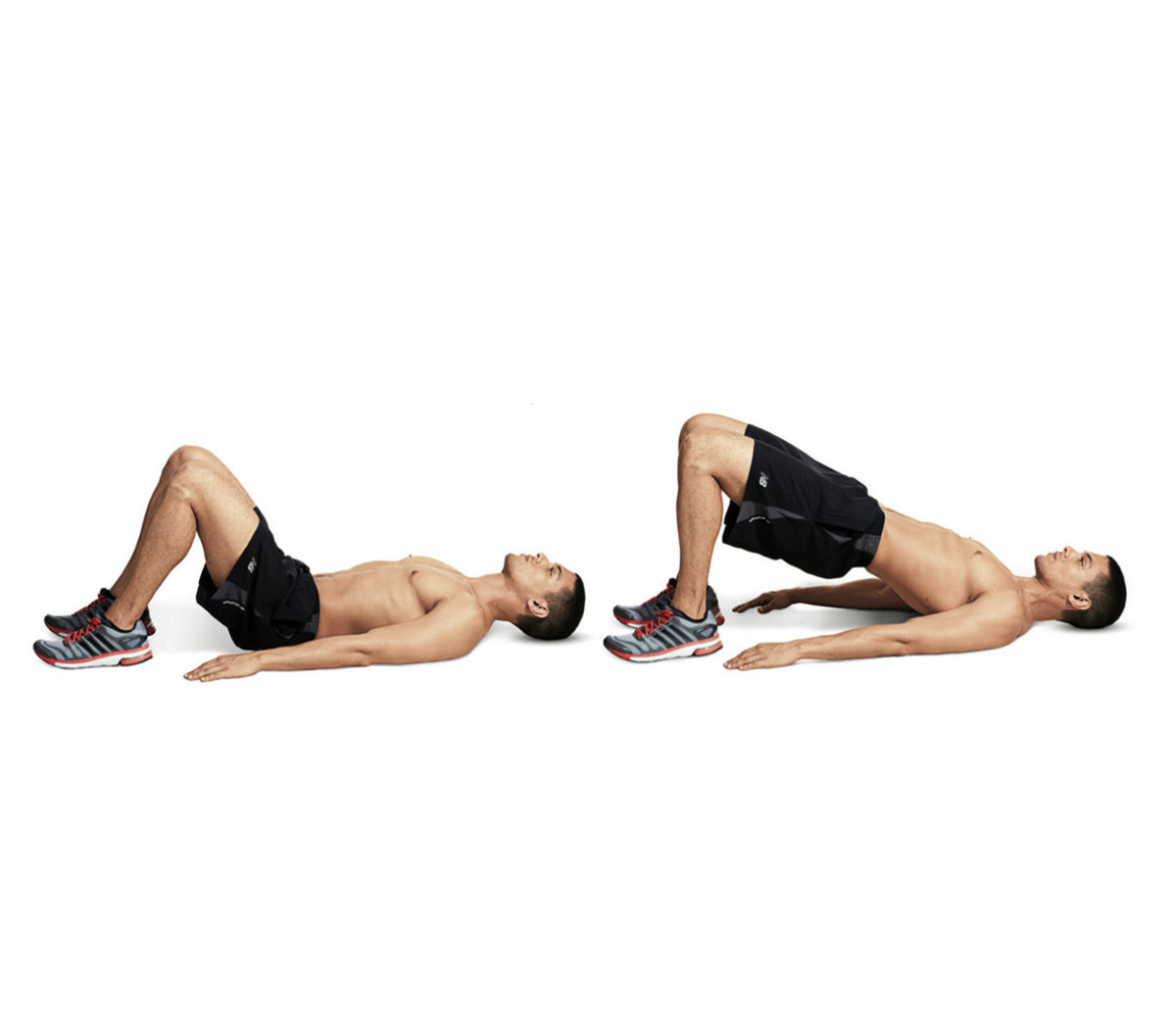
1.Glute Bridge:
Lay on your back with you knees bent and feet placed about hip width apart. Engage your core by sucking you bellybutton in. Then, press through your heels to lift your hips up off the bed. Hold at the top for a few seconds before lowering down slowly.
Key tip: When you are at the top of the movement, your body should make a straight line from your shoulders to your knees!

Lay on your back with your arms pointed up at the ceiling and your legs bent like a table top. Inhale to prepare and then exhale to engage your core by sucking your bellybutton in. After your core in engaged, slowly lower one arm and the opposite leg towards the floor. Return to the starting position, and do the other side. You can modify this exercise by only moving the legs!
Key tip: You want your back to stay pressed against the floor the entire time!
:quality(85):extract_cover()/2024/03/27/856/n/1922729/tmp_xfkRNq_bec7523a5f364cb6_PS23_Fitness_Workout_12_Move_10_Bird_Dog.jpg)
Start on your hands and knees with your back flat. Begin by engaging your core, and then reach one arm forward and the opposite leg back. Hold for a moment, and then return to the starting position before switching sides. You can modify this exercise by only moving your legs!
Key tip: You want to keep your hips level during the entire movement – think about balancing a glass of water on your lower back!
Ready to get started?
At SOS Physiotherapy, our team of physiotherapists is here to help you build core strength that goes beyond just abs. We know that every body moves differently, which is why we design personalized programs that match your unique needs, goals, and lifestyle. Whether you’re recovering from back pain, looking to improve balance, or aiming to boost performance, we’ll guide you with the right exercises and support you every step of the way.
Don’t let a weak core stop you any longer – take your first steps toward a stronger core today by scheduling an appointment with one of our physiotherapists.
Frequently Asked Questions
How often should I train my core?
You can do a couple core exercises every day! It is important to remember that quality matters much more than quantity. A few minutes of focused core work is much more effective than endless crunches.
Can core training help with back pain?
Yes! A strong core supports your spine and helps reduce strain on your lower back. However, it is important to learn how to properly activate your core with the right exercises to avoid making pain worse. A physiotherapist can guide you through safe progressions!
How long does it take to see results?
Every person is unique! With consistent training, many people notice improvements in posture, balance and pain within a few weeks. Making these changes permanent may take longer!