The Science of Stretching: Why It Matters for Dancers and Beyond!
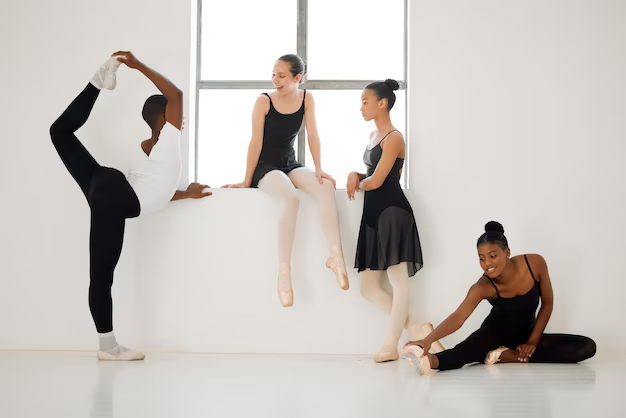
How many times have you thought, “I should have gotten to class earlier to stretch”?
Stretching is often thought of as just a warm-up or cooldown for dancers, but actually, it’s the foundation of fluid movement, control, and injury prevention. And the benefits go far beyond the studio. Whether you’re perfecting your pirouettes or simply looking to move through life with greater ease, stretching plays a critical role in enhancing flexibility, preventing injuries, and improving overall mobility. Let’s explore why stretching matters, the science behind it, and how it can be integrated into both a dancer’s routine and everyday life.
Curious about what’s really happening when you stretch? Check out this quick video for a deeper dive!
The Science of Stretching: What Happens to Your Body?
Stretching might seem simple: you reach for your toes, feel a pull, and call it a day. But beneath the surface, your body is undergoing a complex process that impacts everything from muscle elasticity to nervous system regulation.
When you stretch, different types of tissues are affected, including muscle fibres, protective layers around them, and the tendons that connect muscles to bones. These structures contain elastic proteins that allow them to lengthen slightly during a stretch. However, unlike a rubber band that snaps back immediately, muscles have viscoelastic properties, meaning they can temporarily hold a new length before gradually returning to their previous state.
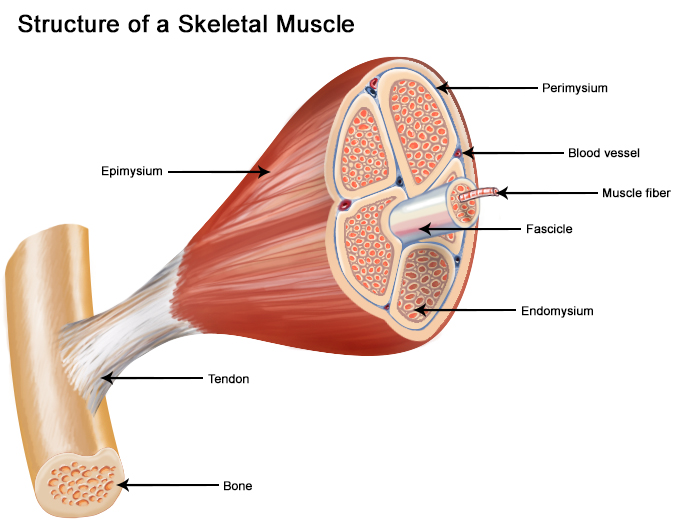
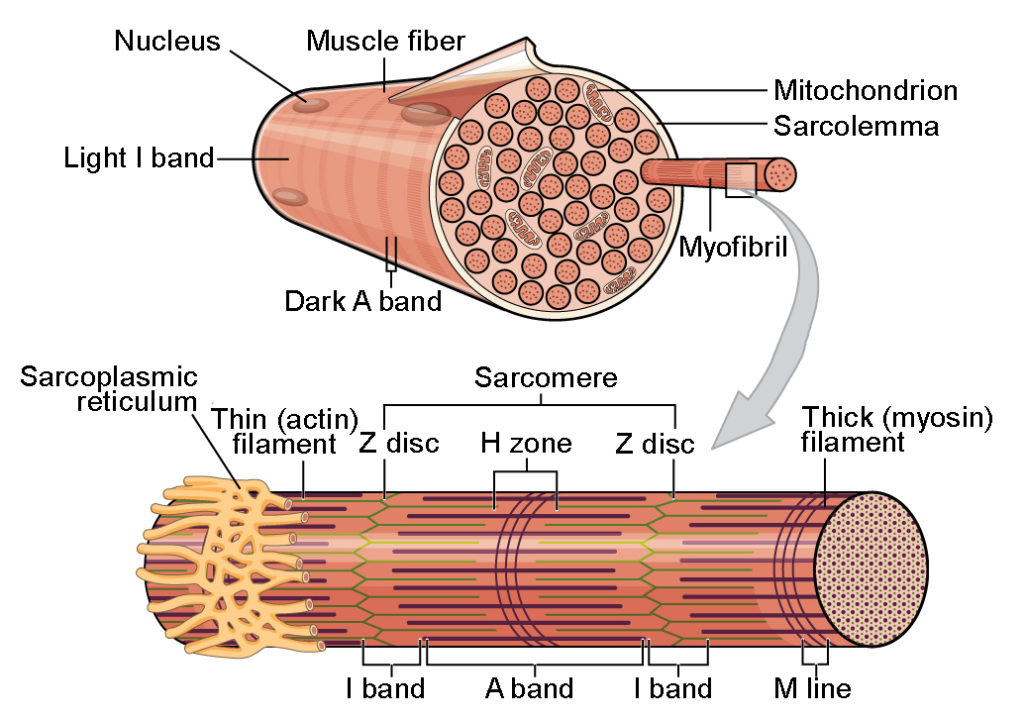
At a microscopic level, muscles are made up of sarcomeres—the smallest functional units that allow contraction and movement. Stretching lengthens these sarcomeres temporarily, but for long-term flexibility, your body needs to create more of them. This only happens through consistent stretching over time.
By understanding the science of stretching, dancers anyone interested in approaching flexibility training with intention, ensuring they improve mobility while protecting their bodies from unnecessary strain.
Why Dancers Should Rely on Stretching (And Why You Should Too!)
1. Injury Prevention
Stretching helps muscles handle movement demands without strain. When you stretch regularly, your muscles adapt by becoming stronger at longer lengths, reducing the risk of strains and tears. This is especially important for dancers, whose bodies go through intense training, and for anyone doing repetitive movements in sports or daily life.
Click here to learn about The 5 Most Common Dance Injuries and How YOU Can Prevent Them!
2. Improved Mobility & Range of Motion
Greater flexibility allows for bigger, more controlled movements. Over time, stretching increases muscle length, preventing stiffness and improving joint mobility. This makes high kicks, splits, and deep lunges easier for dancers while also ensuring non-dancers move without restriction; whether that’s reaching for something on a high shelf or bending down without discomfort.
3. Increased Pain Tolerance & Body Awareness
Stretching can actually train your body to tolerate deeper ranges. Your nervous system adapts over time, making what once felt uncomfortable more accessible. This is why dancers stretch daily; it helps them push their limits safely. For non-dancers, it means less stiffness and discomfort from everyday activities.
4. Promotes Blood Circulation & Relieves Pain
You can’t see it, but stretching increases blood flow to your muscles, which improves circulation and helps muscles recover faster. If you’ve ever felt tightness after sitting too long, stretching can help loosen up your body and reduce discomfort.
5. Improves Posture & Alignment
Tight muscles and joints can lead to poor posture. Stretching regularly, especially targeting the shoulders, lower back, and chest, can help maintain proper alignment. Dancers rely on this to achieve clean lines and balanced movements, but even if you’re not a dancer, better posture means less back and neck pain.
6. Reduces Stress & Tension
Stress builds up as tension in the body, especially in the neck, shoulders, and lower back. Taking a moment to stretch, whether before class, after a long day, or in between tasks, helps release that built-up tension. For dancers, it’s part of staying fluid and relaxed in movement. For non-dancers, it’s a simple way to reset and feel better overall.
When & How to Stretch for Maximum Benefit
Understanding when and how to stretch is essential for unlocking your body’s full potential in overall well-being and performance!
| When to Stretch | Type of Stretching | What It Is | Why It Matters | Examples | Who It’s For |
|---|---|---|---|---|---|
| Before Dancing or Exercise | Dynamic Stretching | Involves moving your body to the limits of your range of motion from one stretch to another without stopping. Often used in choreographed warm-ups. | Prepares muscles for activity, increases blood flow, and activates muscles without reducing strength or power. | Leg swings Arm circles Walking lunges Spinal twists | Dancers getting ready for class, rehearsals, or performances. Great anyone prepping for exercise. |
| After Dancing or Workouts | Static Stretching | Involves holding a single stretch for a long period of time before moving on to the next stretch. Essential for long-term flexibility gains. | Helps muscles relax, improve flexibility, and reduce post-exercise tightness. This should be done after muscles are warmed up. | Hamstring stretch Butterfly stretch Quad stretch | Dancers cooling down to prevent stiffness and improve flexibility. Also great for runners and anyone easing muscle tension after activity. |
| For Deep Flexibility Gains | PNF and Active Stretching | Stretching methods that involve contracting and relaxing muscles to increase range of motion. PNF involves a partner to assist. | Increases flexibility faster while strengthening muscles at their end ranges. | Partner-assisted PNF stretching | Dancers working on higher extensions, deeper splits, and greater mobility. Beneficial for gymnasts, yoga practitioners, and anyone focused on flexibility. |
| Throughout the Day | Gentle Mobility Work | Small, movement-based stretches to prevent stiffness, often used throughout the day to maintain flexibility. | Reduces tension from daily activities and helps maintain flexibility. | Neck rolls Standing calf stretches | Dancers staying limber between classes or rehearsals. Great for anyone who sits a lot or wants to keep moving during the day. |
Stretching in Your Busy Life
We all have jam-packed schedules—whether it’s back-to-back dance practices, running between classes, or managing work deadlines. But don’t worry, fitting stretching into your day doesn’t have to be a time-consuming task.
Here are some practical ways to weave it into your routine without adding extra stress:

Make it part of your routine
Try adding stretching into a set part of your daily routine. It could be right after you wake up to get your body moving or before bed to wind down. Making it a habit at the same time each day ensures it becomes a natural part of your schedule.

Stretch during breaks
Whether you’re waiting for your coffee to brew or in between meetings, take advantage of short breaks to stretch. It only takes a minute to stand up, stretch your arms, or even do a quick side stretch. These small moments add up over the day.

Desk stretches
If you’re sitting for long periods, like at a desk or in class, sneak in stretches throughout the day. Shoulder rolls, seated hamstring stretches, or neck stretches can relieve built-up tension from sitting. It’s a great way to keep your muscles from tightening up while you work.

Set reminders
It’s easy to forget, so set a reminder on your phone or through an app to stretch at certain points in the day—like during lunch, after meetings, or before bed. Consistency is key, and reminders make it easier to make stretching a regular habit.

Stretch while watching TV
If you have some downtime, like watching your favourite show, use that time to stretch. You can stretch your legs, hips, or back during commercials or while sitting on the couch. It’s a great way to turn passive time into active stretching time.
Debunking Stretching Myths
Myth 1: Stretching Before Exercise Prevents Injuries
🔍 The Truth: While stretching has its benefits, static stretching (holding a stretch) before a workout can actually decrease strength and power. A dynamic warm-up, involving movement and muscle activation, is a better approach to prepare your body for exercise.
💡 What to Do Instead: Incorporate dynamic stretches like leg swings, arm circles, and high knees to get your blood flowing and muscles activated before a workout. Save static stretches for after you’ve exercised when your muscles are warm and more flexible.
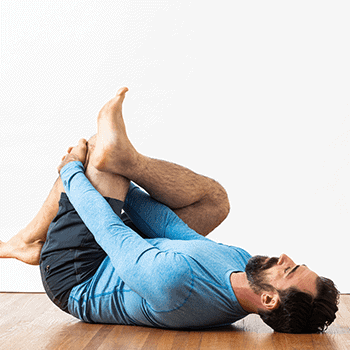
Myth 2: Holding a Stretch for a Long Time Will Increase Flexibility Faster

🔍 The Truth: Stretching for too long or too intensely can actually backfire. Your body has a built-in protective mechanism (the stretch reflex) that tightens muscles if a stretch is too extreme, preventing injury. Overstretching can lead to instability instead of safe flexibility gains.
💡 What to Do Instead: Hold static stretches for 20-30 seconds, and focus on progressive stretching over time rather than forcing deep positions. Techniques like PNF stretching can also help improve flexibility safely.
Myth 3: Stretching Should Always Hurt to Be Effective
🔍 The Truth: Stretching should never be painful. A slight discomfort is normal, but sharp pain means you’re pushing too far, and you risk micro-tears or even injury.
💡 What to Do Instead: Stretch to mild tension, breathe deeply, and ease deeper over time. Flexibility is a gradual process, not a test of pain tolerance.

Myth 4: Stretching Won’t Help If You’re Not Naturally Flexible
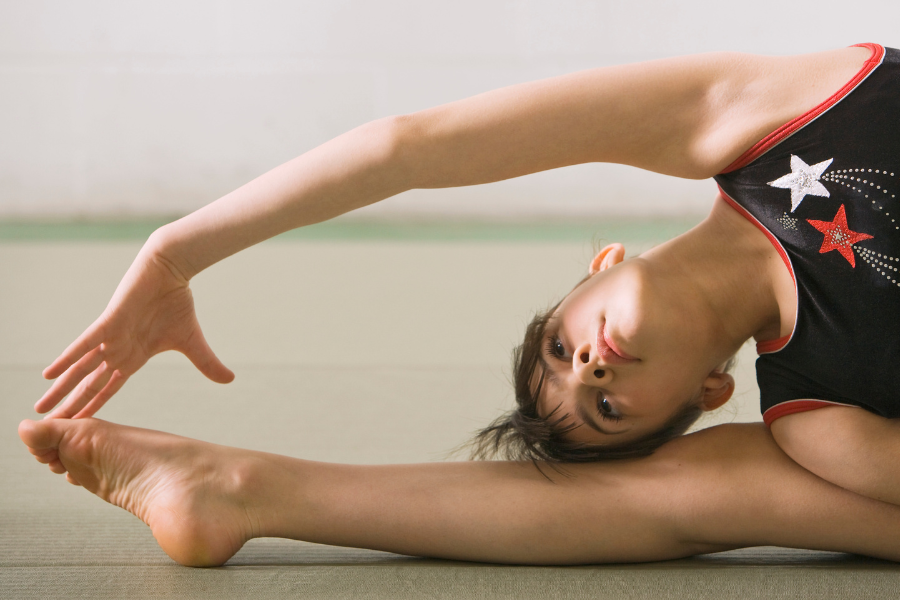
🔍 The Truth: Flexibility is trainable, regardless of your natural range. Even if you’ve always felt tight, consistent stretching can improve your mobility and flexibility over time.
💡 What to Do Instead: Stay patient and consistent. With time, you’ll notice gradual improvements, even if progress feels slow at first.
Myth 5: Stretching Is Only for Athletes or Dancers
🔍 The Truth: Stretching benefits everyone; whether you’re an athlete, a desk worker, or just someone who wants to move better. It’s an essential part of maintaining good posture, preventing stiffness, and reducing discomfort from daily activities.
💡 What to Do Instead: Make stretching a part of your daily routine. Even simple stretches at your desk or throughout the day can have a big impact on your flexibility, posture, and overall comfort.

How SOS Can Help!

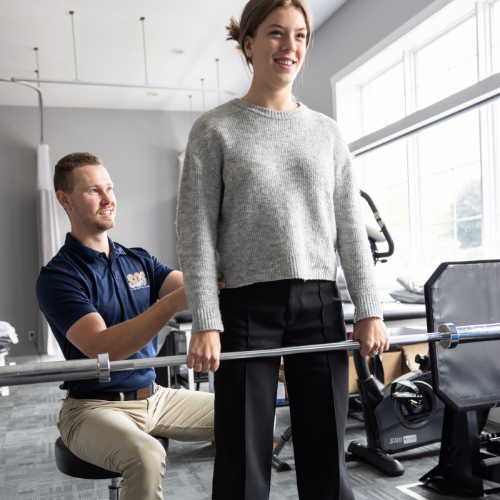
1.Personalized Stretching Plans
We take the guesswork out of stretching! Our physiotherapists assess your flexibility, movement patterns, and any limitations to create a routine that works for you. Whether your goal is to improve mobility, reduce stiffness, or enhance performance, we design stretches that are both effective and safe, ensuring they fit seamlessly into your lifestyle.
2.Hands-On Stretching & Mobility Work
Sometimes, stretching on your own isn’t enough! We use manual therapy and guided techniques to improve your range of motion, release muscle tension, and ensure you’re getting the most out of every stretch.
3.Stretching for Injury Prevention & Recovery
Whether you’re dealing with tightness, recovering from an injury, or trying to prevent future issues, we help you stretch in a way that supports healing and keeps you moving comfortably.
4.Education and Resources
Our support doesn’t stop when you walk out the door. We share stretching tips and routines on Instagram, post detailed blogs on our website, and provide take-home strategies so you can keep improving between sessions.
Stretching Beyond Dance: It’s More Than Just a Flex for Dancers
Stretching shouldn’t be an afterthought! It’s an essential practice that enhances how we move, feel, and perform in all aspects of life. Whether you’re a dancer pushing for more flexibility, an athlete recovering from a workout, or just someone trying to move with more ease day-to-day, the benefits of stretching go far beyond just flexibility. It’s about injury prevention, improving posture, and giving your body the care it deserves.