
The 5 Most Common Dance Injuries and How YOU Can Prevent Them!

Dance Injuries and How YOU Can Prevent Them!
Imagine This …
You are training and rehearsing for hours on end all to be prepped and ready to perform your very best for your performance, but … 2 weeks before the curtain raises, during rehearsal your hear a “POP” and shooting pain radiates from your knee! Oh no, you have injured yourself! Now that is why dance injuries are a dancer’s worst nightmare!
You work so hard (maybe even a little too hard, but we’ll get to that later) and now are forced to sit this performance out unable to show off all your dedication and the new skills that you have learned! Whether it is an ankle, knee, or hip, dancers are prone to injury just as much as other athletes if not even more at risk! So what are the most common dance injuries and what can you do to prevent this nightmare from coming true?
So What are the Most Common Dance Injuries?

1. Ankle Sprains
What is an Ankle Sprain?
You may know an ankle sprain or strain buy its symptoms of ankle pain, tenderness, swelling, stiffness, and occasionally even discoloration/bruising but what exactly is an ankle sprain? An ankle sprain is the overstretch or sometimes even tearing of a ligament in the ankle that occurs when the ankle and foot move rapidly outside of the normal range of motion of the ankle joint. A ligament is a type of connective tissue with semi-elastic qualities that hold bones together. Ankle sprains are classified by three different levels of severity:
Grade 1 Ankle Sprain
A grade 1 ankle sprain means that a ligament within the ankle joint has been overstretched, but is not torn or ruptured. This may include micro tears which are very small broken fibers within the ligament. You may experience pain and soreness in the area along with some minor swelling.
Grade 2 Ankle Sprain
The diagnosis of a grade 2 ankle sprain is given when an ankle ligament is partially torn during the injury provoking action. This can cause pain within the area as well as swelling and bruising. People with grade 2 sprains may even be unable to weight bear on the affected side.
Grade 3 Ankle Sprain
A grade 3 ankle sprain is a full tear of an ankle ligament. Loosing this structural support system will therefore de-stabilize the joint making walking and standing very difficult and painful. Similar to a grade 2 sprain, symptoms will include pain, swelling, and bruising of the area.

Preventing Ankle Sprains
Preventing ankle sprains and ankle injuries can be simple. This injury happens when the ankle joint is pushed outside of the usual range of motion. Therefore to prevent it we want to make sure that the muscles supporting the ankle are strong enough to withstand instability. You can do this by using an exercise band following some example exercises linked bellow:
A proper warm up is also important in order to prevent ankle sprains and other dance injuries. Make sure you warm up your ankles just as you would any other part of your body. You can do so by doing ankle rolls, calf stretches, calf raises and other strengthening exercises.
This is EXTRA important if the style of dance you are doing requires a specific type of footwear (ex. pointe, ballroom, tap etc.). Ensure you are not only wearing the right size of dance shoe, but the correct type of shoe for your style of dance. When do you know you should see a physiotherapist for ankle pain? Click the link below to find the answer!
2. Shin Splints
What are Shin Splints?
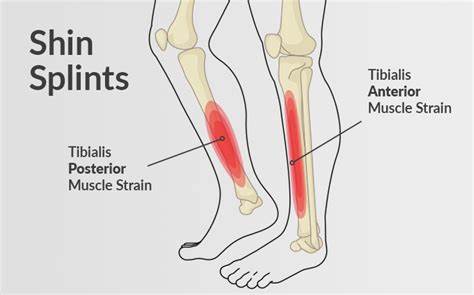
The term ‘shin splints’ refers to pain along the front of the shin bone known as the tibia. This pain is from overworked connective tissue and muscles, or even stress on the integrity of the bone itself. This type of injury is a called a repetitive stress injury, meaning it is not caused by just one action but by the continuous use of the muscles in this area or repeat impact on the supportive structures.
Shin splints tend to be very common in dancers along with runners due to the high quantity of repetitive impact on the tibia. This is why too much training can actually be a bad thing! The muscles in this area are often to blame when someone experiences shin splints and could be subject to a strain.
Preventing Shin Splints
The best way to prevent shin splints is … you guessed it, REST! Allowing your body to repair itself before applying stress again can prevent the muscles from becoming overused. Another way to prevent shin splints is implementing a proper warm up before the start of a long rehearsal as well as progressing slowly to higher intensity activity.
3. Achilles Tendonitis
What is Achilles Tendonitis?
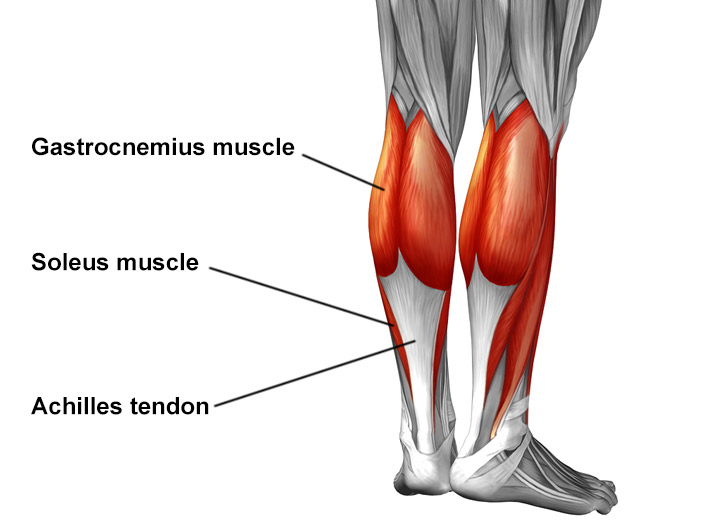
Dancers are super strong which allows them to perform to their best, but could your achilles tendon be your ‘Achilles heel’? The achilles tendon, named after the Greek Trojan warrior himself, is the small piece of connective tissue that attaches your largest calf muscle (known as the gastrocnemius) to your heel bone (the calcaneus) that can sometimes become inflamed.
Symptoms include mild ache in the heel or back of the leg, decreased range of motion and stiffness. Similar to shin splints, achilles tendonitis is also caused by overuse or strain of the calf muscles. This happens during actions like jumping and pushing up on your toes which puts ballet dancers (especially pointe) at risk.
Preventing Achilles Tendonitis
Preventing achilles tendonitis is easy! Always make sure you go through a proper warm up before you start dancing and make sure your warm up includes the calves and ankles! Ankle rolls, calf raises, and most importantly calf stretches are a must! You can also prevent this injury by ensuring you get a good amount of rest in-between activities to ensure a full recovery of the muscle.
4. Snapping Hip Syndrome (Dancer’s Hip)
What is Snapping Hip Syndrome?
Do your hips snap and pop when you move a certain way? You could have dancer’s hip, one of the more common dance injuries also known as snapping hip syndrome!
If the muscles that flex the hip become inflamed or tightened the tendon can snap over the head of the femur when the leg extends which leads to the clicking and snapping sensation. This is super common in dancers as they often move their legs far in extension during movements like split jumps and kicks!

Preventing Snapping Hip
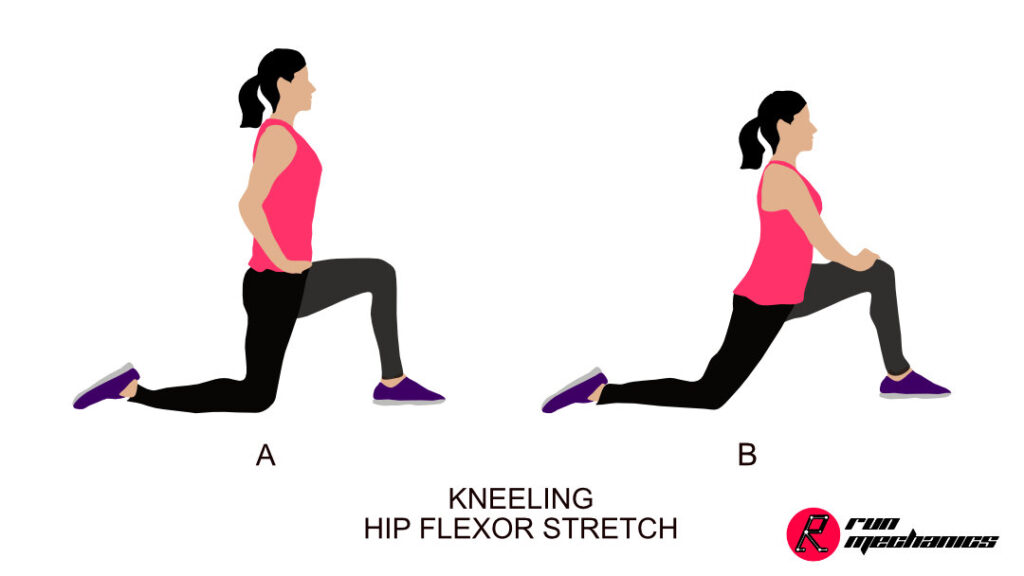
STRETCH IT OUT! In order to prevent snapping hip syndrome you want to prevent that muscle from getting too tight or strained. Make sure you stretch before you dance as part of your warm up and after dance to prevent injury and keep this muscle from tightening up. Here is a great hip flexor stretch you can do! Hold it for 30 seconds before taking a break and doing it again!
5. Patellofemoral Pain Syndrome (Jumper’s Knee)
What is Patellofemoral Pain Syndrome?
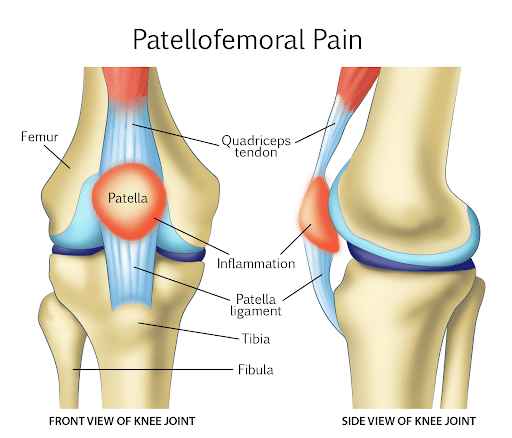
Patellofemoral pain syndrome is exactly what it sounds like! Pain along the patella (knee cap) and rectus femoris (center quadriceps muscle).
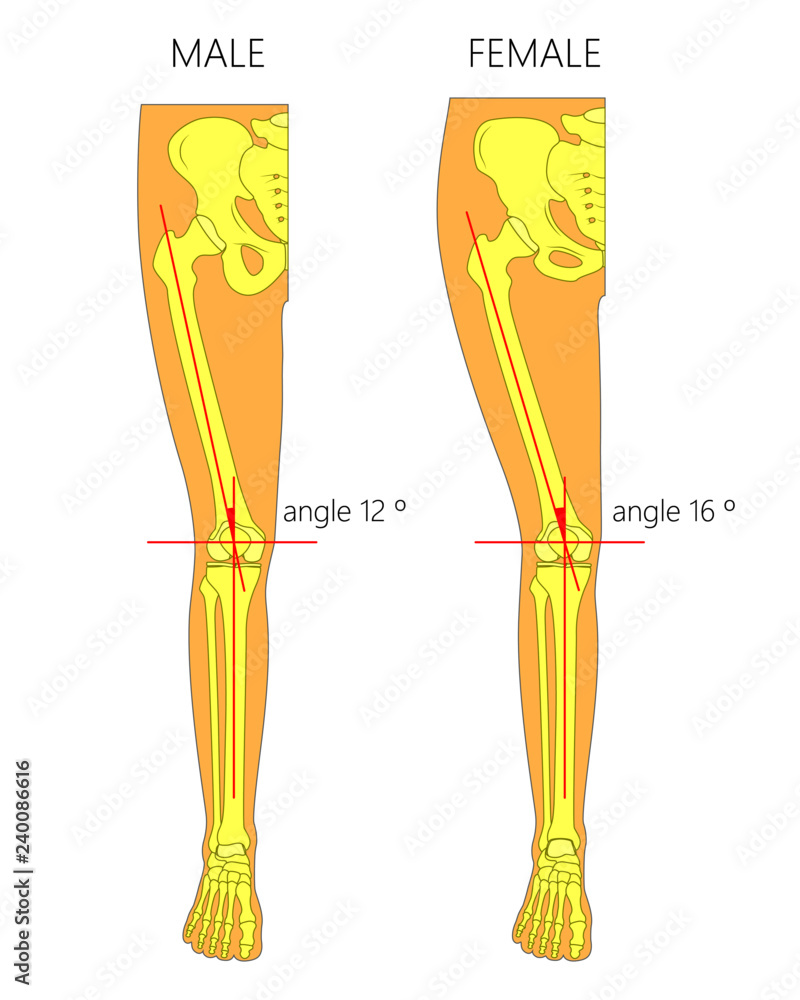
If this muscle or tendon that holds the knee cap in place becomes inflamed or irritated it can cause pain within this area of the knee! People with patellofemoral pain syndrome may experience a dull aching sensation on the knee, pain intensifies with exercise and may even make snapping or clicking sounds! Fun Fact! Patellofemoral pain syndrome is more common in women because having wider hips increases the angle that your femur sits at causing more stress on the muscles holding the patella in place!
Preventing Patellofemoral Pain Syndrome
The best way to prevent it is to stretching and strengthen the muscles that support the knee which of course include the quads as well as the glute! You can accomplish this by performing exercises that target those muscles specifically or use cross training! Cross training is when your combine multiple types of exercises that incorporate your whole body within your workout routine. Lastly, using tape or knee braces for high impact performances or rehearsals can prevent injury to the joint and surrounding muscles ! Interested in learning more about bracing options? Click the link below:
How to Prevent Dance Injuries!
In summary what can you do at home or in rehearsal to prevent injuring yourself at dance:
- HAVE STRONG JOINTS! Strengthen the muscles that support your joints especially your ankles, knees, an hips! That means focusing on calf, quad, and glute strength!
- STRETCH IT OUT! Keep muscles strong but limber to prevent pulls, strains, and pinching!
- REST! Overuse injuries are incredibly popular with dancers! Ensure you take a proper amount of recovery time between rehearsals and performances as well a if you feel like something is wrong or in pain … SIT OUT!
FAQs
SIT OUT! Continuing to dance on a potential injury can only make things worse. If you think you have injured yourself at dance, sit, rest, and call up your trusted physiotherapists to check it out!
Yes! Each dance style has its own specific demands making some injuries more common than others. For example, ballet dancers may be more at risk for ankle and foot injuries due to the stress on these joints in pointe work, while hip-hop dancers may be more prone to muscle strains and sprains as this style calls for a lot of high energy movement and impact.
Depending on the type of injury or vulnerability, dancers may benefit from using supports like ankle braces, knee pads, or using tape to support joints. However, it’s crucial to ensure that such equipment doesn’t compromise technique or cause discomfort.
While recovering, focus on exercises that don’t aggravate your injury. This may include gentle stretching, core exercises, or activities recommended by your physiotherapist. Maintaining overall fitness can help expedite your return to dancing.
Long-term health as a dancer involves listening to your body, prioritizing rest and recovery, cross-training to maintain overall fitness, and seeking regular check-ups with healthcare professionals who understand the demands of dance.