The Role of Therapeutic Modalities in Physiotherapy
Dealing With Aches and Pains? Modalities Can Help!
Physiotherapy combines a mixture of hands on and therapeutic modalities to help speed up the process of healing an injury. Along with hands on treatment we can use a host of advanced technologies to help reduce pain and accelerate tissue repair.
To begin, therapeutic Modalities have been in use for decades based on recent research. Additionally, as new research surfaces it impacts how often modalities are used during the treatment process. As a result, specific Physiotherapy modalities are better for specific people, because everyone is not the same. Although modalities are in the treatment process they should not be a stand alone treatments.

What Do Modalities Do?
To start, Modalities are used in a treatment plan for many different benefits depending on the injury presentation. Most commonly, it helps to reduce pain and speed up the recovery time. Remember, everyone reacts differently to certain modalities meaning different patients may benefit from different tools.
There are tons of modalities out there and all have their own unique perks and times to use them. The nice thing about seeing a professional is that they will suggest what to use and avoid. However, you should also know what modalities to use when your dealing with an injury!
The phrase “therapeutic modalities” is often interchangeable with “electrophysical agents” which is a term that encompass all interventions that help with physiological therapeutic effects. In other words, they are tool we use that make you feel better sooner!

Types of Modalities?
When coming into a Physiotherapy clinic you may hear a host of names thrown around when talking about modalities. Lucky for you we made a common list of physiotherapy modalities:
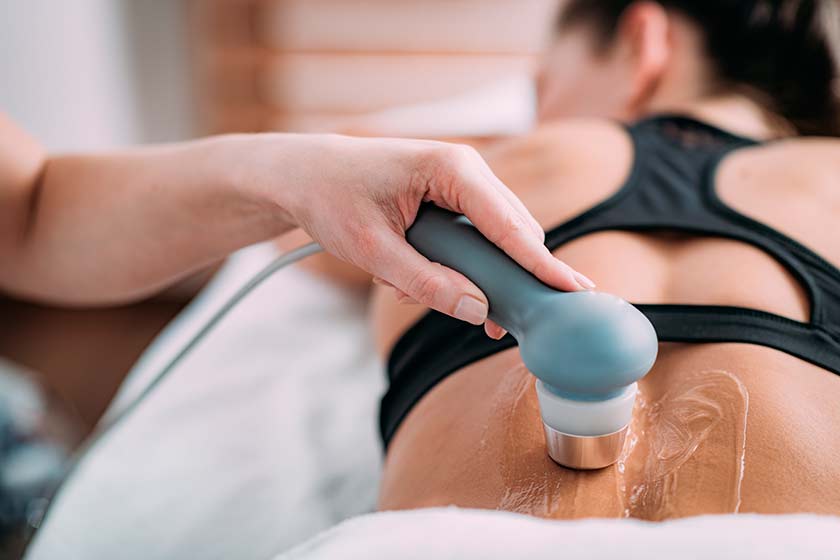
Ultrasound – Uses mechanical vibration or sound energy that penetrates through tissues.
- Reduces pain
- Reduces inflammation
- Brings blood flow to the effected area
Shockwave Therapy – Shockwave therapy sends high energy pulses to the effected tissue area.
- Helps with healing
- Decrease pain
- Increase blood flow

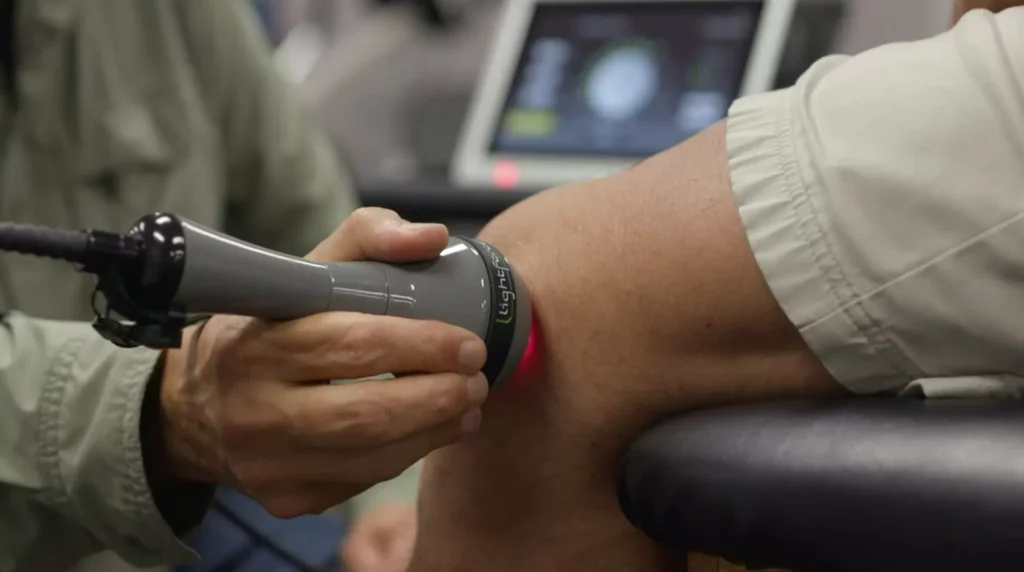
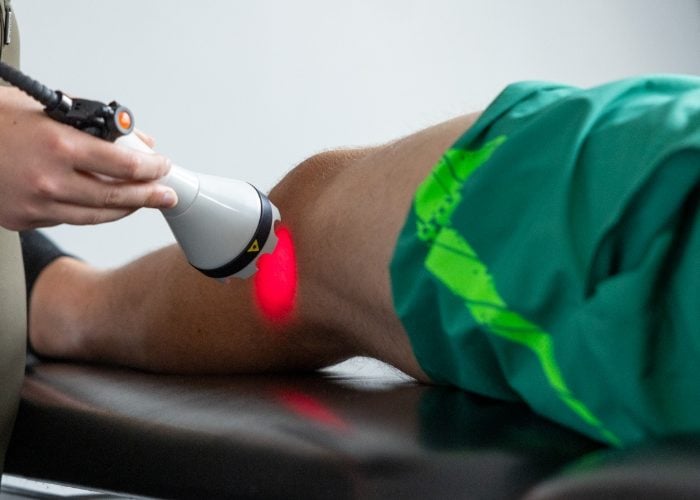
Light Amplification for the Stimulated Emission of Radiation (LASER) – Utilizes electromagnet radiant energy or the movement of photons in space. In simple terms it uses light energy to stimulate cells to speed up healing.
- Reduces swelling and inflammation
- Speeds up healing
- Increases blood flow
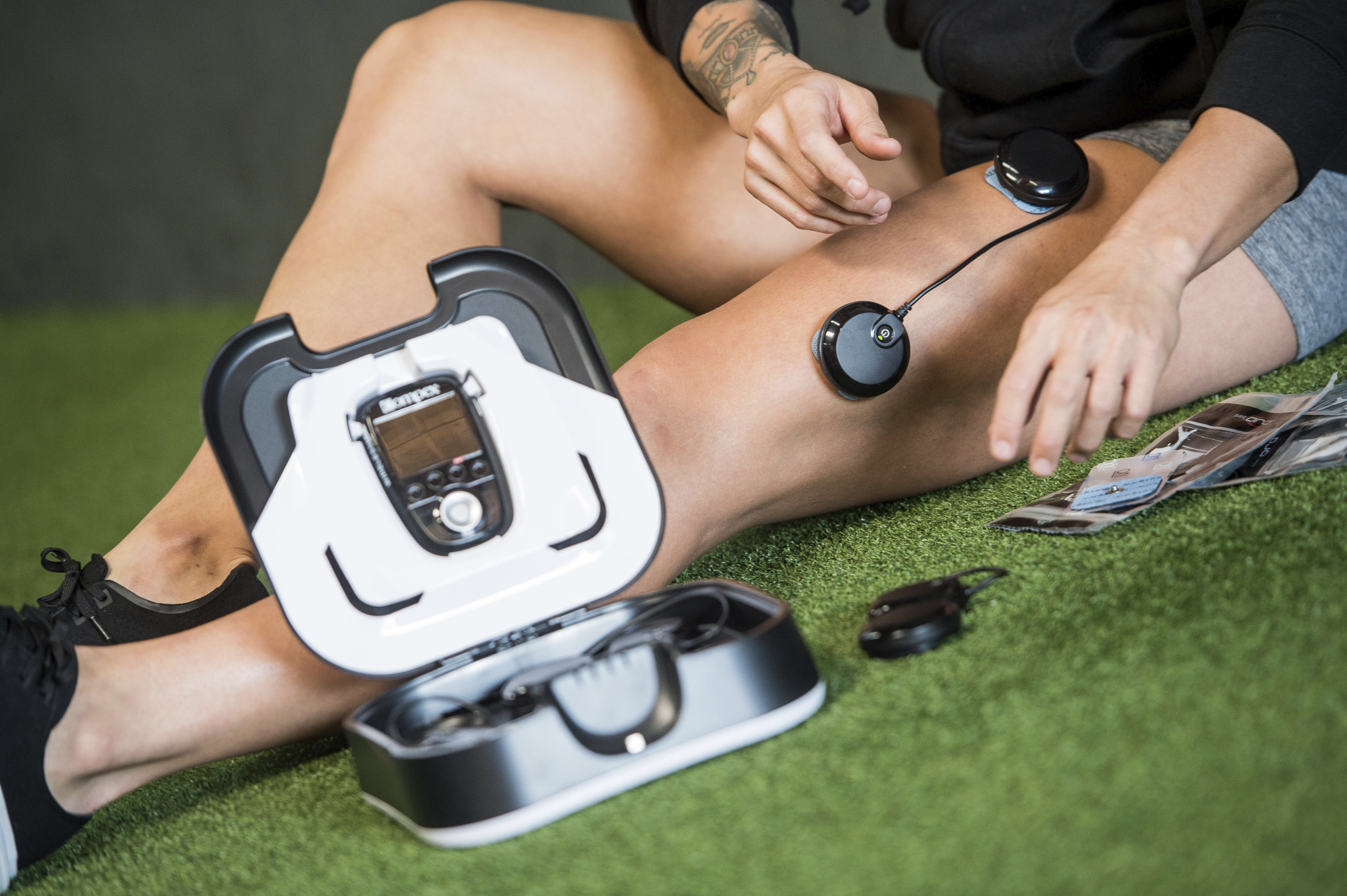
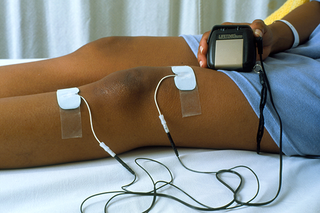
Russian current (NMES) – NMES uses electrical signals to activate muscles which mimics the same signals used by your brain and spinal cord.
- Helps re-train muscles after injury
- Build strength
- Maintain range of motion
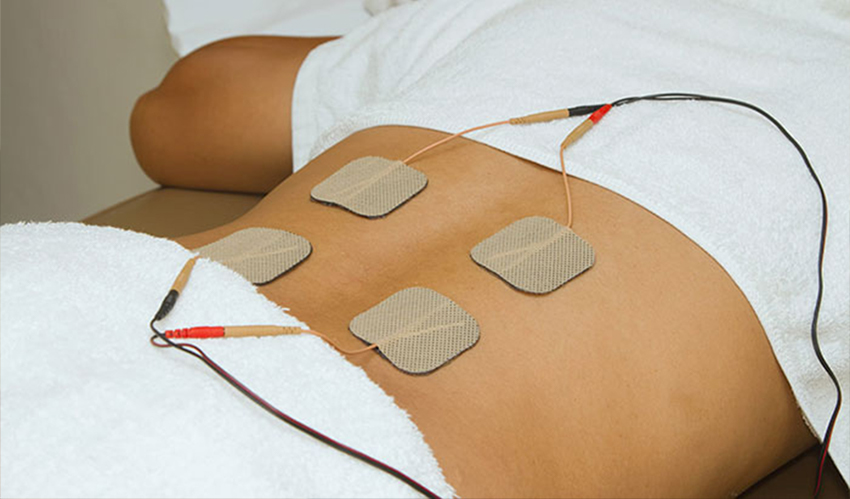
Interferential Current (IFC) – IFC uses the creation of a low frequency current in the targeted tissue created by 2 different frequencies.
- Pain reduction
- Decreases swelling and inflammation
- Reduces muscle spasms
Transcutaneous Electrical Nerve Stimulation (TENS) – Tens stimulates sensory nerves and activates natural pain relieving mechanisms.
- Pain relief
- Muscle relaxation
- Cost effective
When to use Modalities in Physiotherapy?
There are several reasons on when to use modalities but this is a question that varies person to person. There are 3 phases when modalities can be used those being:
Acute Phase – This is the first 48-72 hours after an injury has happen, in this phase we see pain, swelling, redness and loss of function. Modalities that will help:
- IFC
- Laser
- Ultra sound

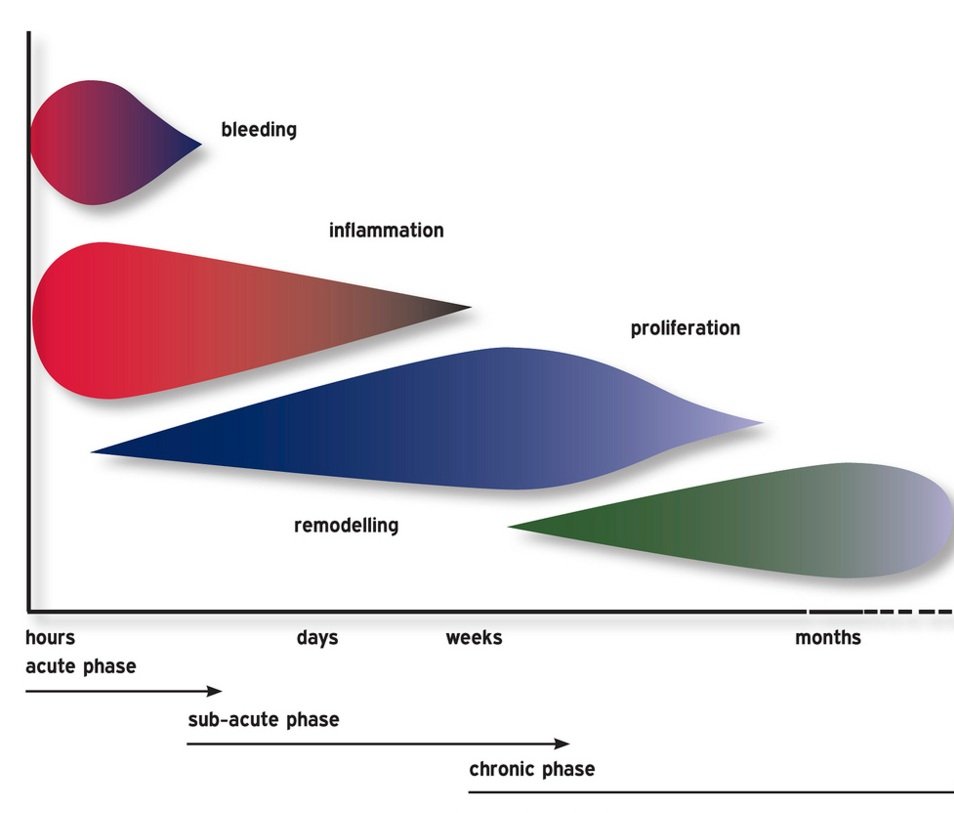
Sub Acute Phase – This is roughly the 4th to 21st day after an injury, when new tissue is created. Initial modalities are still being used:
- Depending on the injury TENS or IFC can be used
- Laser
- Ultra sound
Chronic Phase/Conditions – These modalities are used for conditions that are long term and usually develops over time.
- Shockwave
- Laser
- TENS
- NMES