

How Can Pelvic Floor Physiotherapy Support Your Pregnancy?
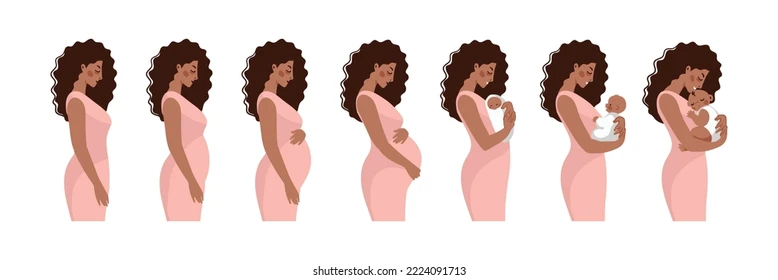
Supporting You From Pre-natal to Preparing for Labour and Post-Partum
While pregnancy is an exciting time for you and your growing family, it also brings about many changes, some affecting muscles you may not have thought about before. Your pelvic floor, a group of muscles that support your growing baby and help control your bladder and bowel, play a vital role during pregnancy, labour, delivery, and post-partum recovery.

During pregnancy, these muscles are placed under significant strain which can lead to:
- Pain
- Discomfort
- Bladder and bowel incontinence
Pelvic floor physiotherapy isn’t just a solution when problems arise, it’s a proactive approach to preventing complications and supporting a smoother transition from prenatal to post-partum life.
In this blog, we’ll explore common pelvic floor challenges experienced during pregnancy and how pelvic floor physiotherapy can help you feel confident, comfortable, and supported throughout this journey.
Pre-Natal Support
Pregnancy-related pelvic pain is a common discomfort during pregnancy. While harmless to your baby, it can make everyday activities a challenge keeping you from participating to your fullest extent.
Often a result of hormonal and physical changes as your body accommodates your growing baby, pregnancy-related pelvic pain can cause:
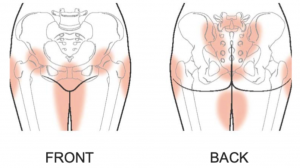
- Pain that radiates from your pelvic girdle to your low back and thighs
- Clicking or grinding sensations in your pelvic area
- Difficulty sitting down, standing, or walking
Our pelvic floor physiotherapists can provide solutions to reducing your pain including:
Manual Therapy
- Soft tissue manipulation
- Mobilization of joints
- Myofascial release
Activity Modification
- Identify aggravating activities
- Implement modifications to ease pain
Exercises
- Strengthen pelvic floor muscles
- Manage pelvic pain
Strengthening your pelvic floor muscles with these methods can also help to prevent bladder and bowel incontinence during pregnancy.
Supporting You Through Labour and Delivery
Your pelvic floor muscles play a crucial role in the delivery of your baby. These muscles undergo significant stretching and strain during active labour and can be weakened by cesarean section. As you begin to prepare to welcome your baby, it’s important to consider how these muscles will be affected in doing so.
Pelvic floor physiotherapy can help you prepare for labour and delivery. In your sessions, you’ll learn how to stretch, relax, and coordinate your pelvic floor muscles. These skills will support you during active labour and help make pushing more efficient, decreasing the amount of time spent in this stage of labour. Additionally, improving your pelvic floor awareness with these skills has been found to reduce the risk of perineal tearing.
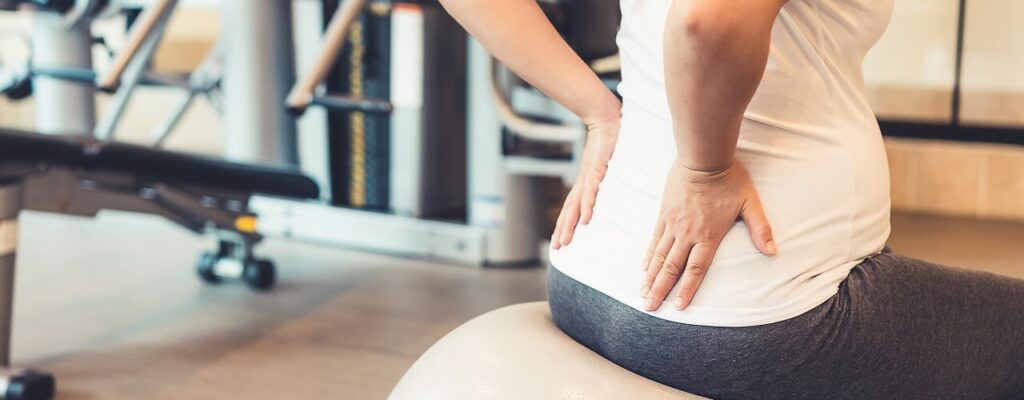
Pregnancy can change your posture and joint mobility. This can alter how your pelvis moves, contributing to the position of your baby. In your sessions, your physiotherapist can help to address your posture and pelvic alignment through stretches and mobilizations to support your comfort and positioning during labour.
Overall, working with a pelvic floor physiotherapist will help you to become more aware of your body, specifically your pelvic floor. Our goal is to help you feel confident and supported during the delivery of your baby.
Post-Partum Support
By the time you’ve reached the end of your pregnancy, your pelvic floor muscles have undergone significant stretch and strain supporting you and your baby throughout the process. Delivery, either vaginal or by cesarean section, can weaken your pelvic floor muscles, create instability in your pelvis, and decrease core coordination. Pelvic floor physiotherapy aids in recovery, helping you make a smooth transition to post-partum life.

After the birth of your baby, it is common to experience:
- Bladder incontinence
- Decreased core strength
- Pain, pressure, or heaviness in the pelvis
- Discomfort during movement
Working with your pelvic floor physiotherapist, you’ll address these issues with gentle reintroduction to pelvic floor exercises, joint mobilizations, and modified activity as you begin your recovery. This guided recovery will help ensure you ease back into activity in a time frame geared towards your needs.
Post-partum pelvic floor physiotherapy can prevent long-term complications as you heal. Addressing your pelvic floor health during post-partum recovery reduces the risk of persisting incontinence, chronic pelvic pain, and organ prolapse.
FAQs
It is safe to get started with pelvic floor physiotherapy at any point during your pregnancy.
Absolutely! Regardless of the method of delivery, carrying your baby puts strain on your pelvic floor muscles. Working with a pelvic floor physiotherapist can help alleviate this strain and prevent further complications.
Even without obvious symptoms, pelvic floor physiotherapy can help you prepare for delivery and transition into post-partum life. It’s a proactive approach to preventing future complications by strengthening your pelvic floor muscles and maintaining mobility as your body changes to accommodate your growing baby.
Once you have the go ahead from your OB-GYN at your 6 week check up, we’re ready to get back to work with your pelvic floor muscles!
Schedule Your Pelvic Floor Physiotherapy Appointment Today
Do you think pelvic floor physiotherapy can support you through your pregnancy? Call SOS Physiotherapy’s Belmont, Northfield, or Elmira location today to get started!