
Why Physiotherapy Is Essential for Shoulder Labrum Tear Rehabilitation
Introduction
Shoulder labrum tears can significantly affect your function and ability to perform everyday tasks, from lifting household objects to playing sports like volleyball. The shoulder heavily relies on soft tissue structures to give it support through movement, meaning an injury to the shoulder labrum can lead to pain, instability and weakness during movement. Physiotherapy is essential for shoulder labrum tear rehabilitation to restore strength, mobility, and stability to prevent long-term complications.
Understanding a Shoulder Labrum Tear
The shoulder consists of a ball and socket joint, connecting the arm with the shoulder blade. The labrum is an important ring of cartilage of the shoulder joint which acts to deepen the socket to securely position the upper arm bone onto the shoulder. The shoulder labrum also acts as an attachment point for several ligaments and the tendon of the biceps.
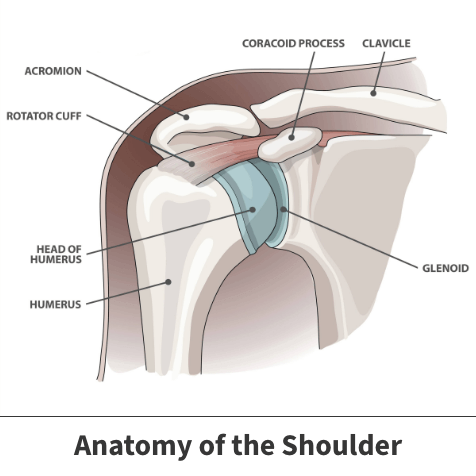
The glenoid labrum, along with several ligaments function to stabilize the head of the humerus onto the glenoid.
Common Causes
- Repetitive overhead movements
- Sports injuries (throwing, contact sports, weightlifting)
- Direct trauma (falls or accidents)
- Age related degeneration of the cartilage
Common Symptoms
- Deep shoulder pain
- Limited range of motion
- Shoulder instability
- Weakness of the shoulder when lifting motions
- Clicking or popping sound
Types of Shoulder Labrum Tears
There are 3 distinct shoulder labrum tears, each varying in tear locations. They vary in symptoms, mechanisms of injury, and rehabilitation. It is important to understand the type of tear, before progressing through shoulder labrum rehabilitation.
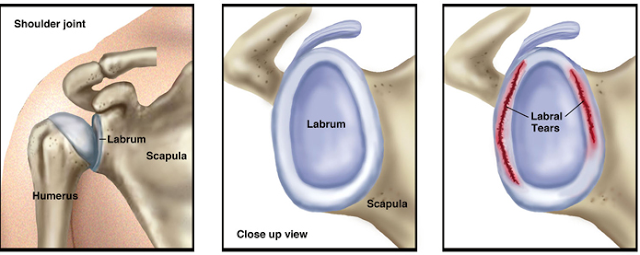
- SLAP tears: SLAP tears occur when the top of the labrum is torn, from the front to back. This tear location is the attachment for the long head of the bicep tendon. Symptoms include pain, weakness, and clicking during overhead movements. SLAP tears are often caused by repetitive overhead movements (throwing, pitching) or acute mechanisms (falling on outstretched hand).
- Bankart tears: This is an anterior shoulder labrum tear. Common symptoms include pain, weakness and instability leading to recurrent dislocations or subluxations.
- Posterior tears: These shoulder labrum tears occur at the back of the labrum, which can be caused by repetitive microtrauma (heavy lifting), fall on outstretched hand, or direct trauma.
Physiotherapy for Shoulder Labrum Rehabilitation
Physiotherapy is essential for shoulder labrum rehabilitation because it helps the shoulder heal safely and regain normal movement and strength. Since the labrum helps keep the shoulder stable, an injury can cause pain, stiffness, weakness, and a feeling of looseness in the joint. Therefore, seeing a physiotherapist is important because they create a personalized plan to guide recovery. Initially, treatment focuses on reducing pain and gently restoring movement. As healing progresses, exercises are added to improve range of motion and strengthen the muscles that support the shoulder, which helps protect the joint and prevent re-injury. Ultimately, physiotherapy promotes safer recovery and long-term shoulder stability.
Restoring Shoulder Range of Motion and Stability
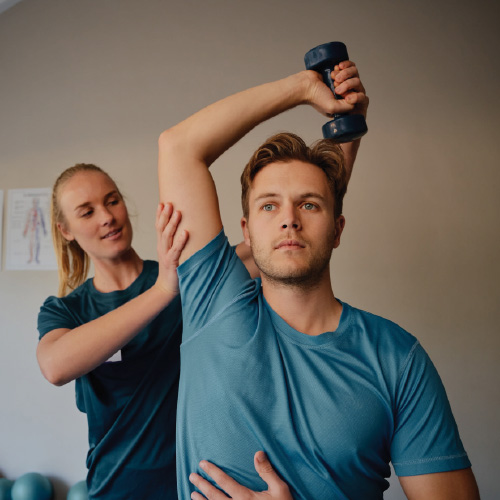
A shoulder labrum tear leads to pain and muscle guarding which leads to decreased shoulder range of motion. Physiotherapy involves personalized manual therapy as well as exercises to gradually restore the range of motion that was lost.
Additionally, shoulder labrum tears lead to shoulder instability. A physiotherapist can prescribe personalized exercises to target the supporting muscles around the shoulder to improve shoulder stability.
Reducing Pain and Inflammation
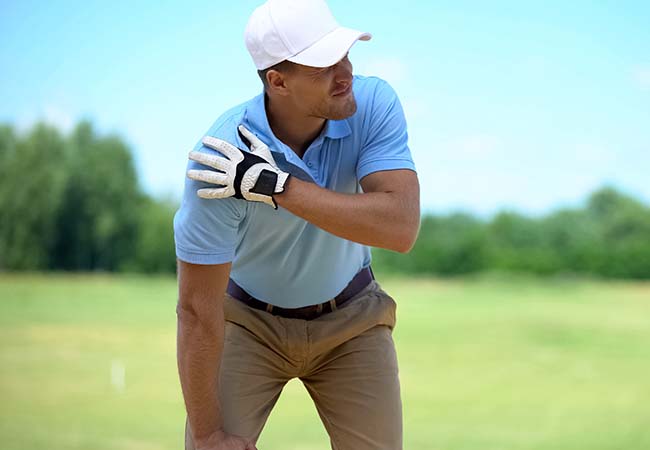
A physiotherapist can utilize many different techniques and modalities to help reduce a pain and inflammation:
- Soft Tissue Release
- Manual therapy
- Therapeutic exercises/stretches
- Class IV Laser
- Interferential Current Therapy (IFC)
- Cupping
- Dry needling
Education for Proper Movements Mechanics
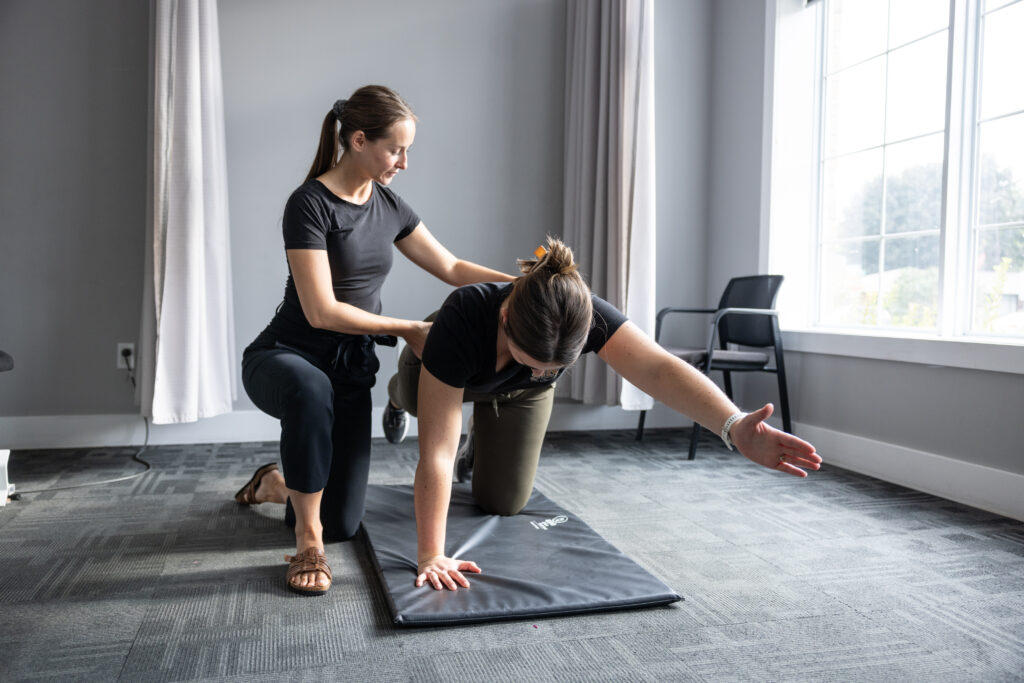
Frequently, shoulder labrum tears occur due to improper movement mechanics which aren’t fixed. Repetitive poor movements mechanics can lead to the degeneration of the labrum. Poor lifting mechanics, throwing mechanics, and poor posture can all play a role.
Physiotherapists will help to identify and correct the improper movement mechanics to prevent future injuries.
Physiotherapy Before Surgery
In some cases, surgery is required after shoulder labrum tears. Physiotherapy before surgery (Prehab) can greatly improve the recovery time, effort and outcome post surgery. Prehab leads to higher baseline levels of ROM, strength and stability.
Physiotherapy After Surgery
While the surgery fixes the labrum tear itself, physiotherapy is essential to build back the strength, range of motion, stability and resilience of the surrounding muscles and soft tissue of the shoulder.
FAQ
When you experience symptoms including:
– Persistent shoulder pain
– Clicking or locking sensations
– Shoulder weakness
– Shoulder instability through movement
– Limited range of motion
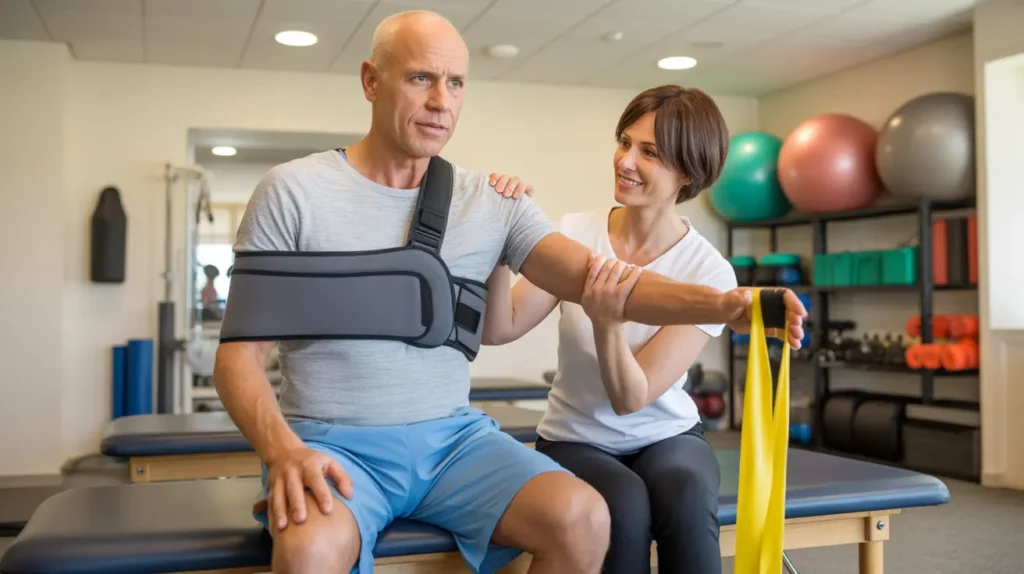
Physiotherapists will recommend modified exercise programs to strengthen and stabilize the shoulder. Modifications to daily activities will also be given, to reduce additional stress on the damaged labrum.
Without proper treatment and rehabilitation, a shoulder labrum tear can lead to persistent pain, instability and weakness. Ongoing symptoms can greatly inhibit a person’s physical abilities, and lead to further shoulder and arm injuries.
Book Your Physiotherapy Appointment Today!
SOS Physiotherapy is ready to support you along your rehabilitation journey to get you pain free, strong and getting back to your favourite physical activities!