

Scaling Safely: Essential Tips for Injury Prevention in Rock Climbing
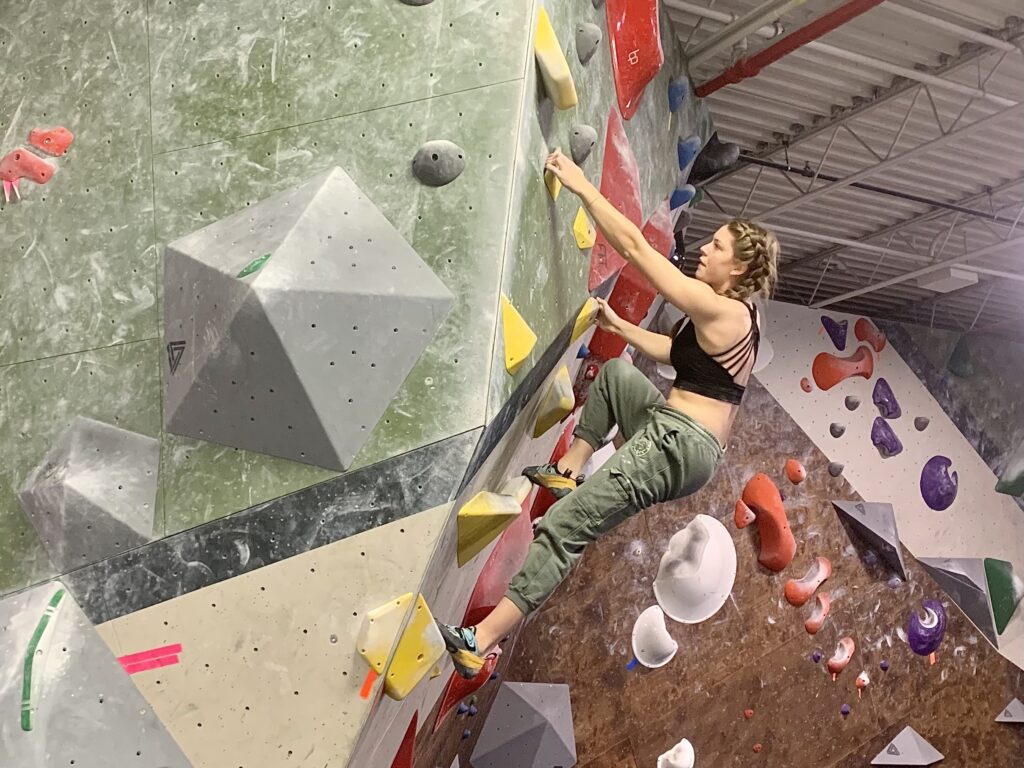
Rock climbing is one of the most rewarding activities out there – the rush of reaching the top, the mental focus and the physical strength it takes to push your limits. But with any sport, there comes risks. Whether you’re just starting or a seasoned pro, the last thing you want is to end up sidelined by an injury. That is why injury prevention in rock climbing is so important! In this post, we’ll dive deeper into common rock climbing injuries, listening to your body and essential tips to help you scale safely. From warming up properly to proper technique, these tips will help set you up for success, allowing you to enjoy rock climbing without setbacks. Ready to climb smarter and safer? Let’s get started!
Common Climbing Injuries:
Finger Injuries:
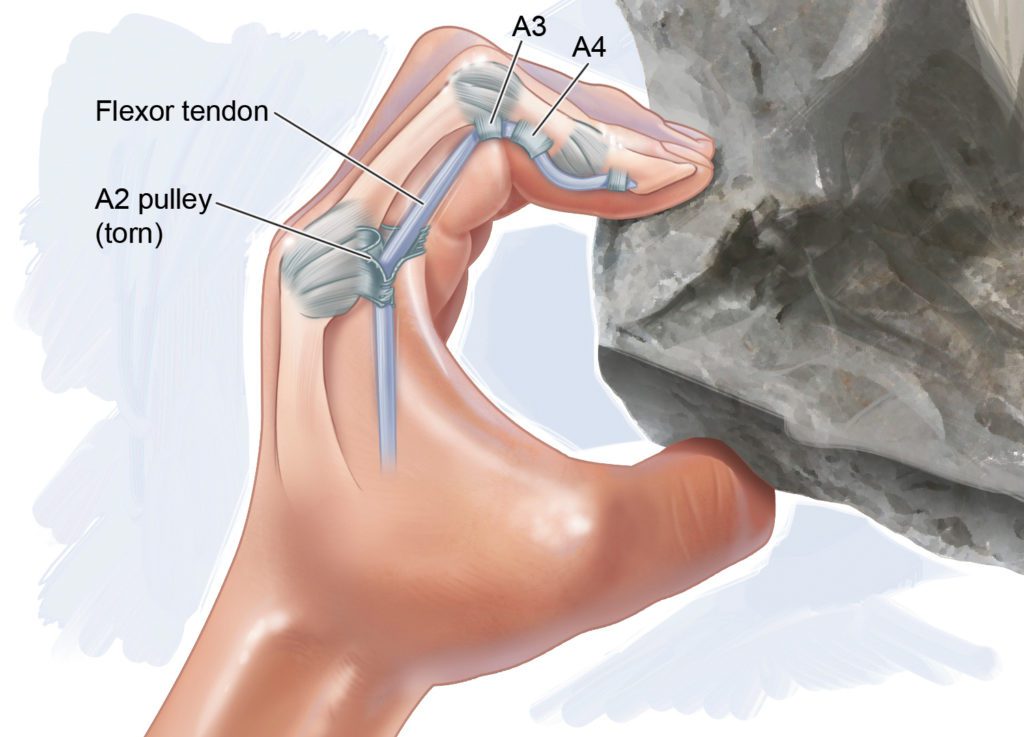
Climbing requires a strong grip, and your fingers are constantly under strain. Finger injuries are among the most common injuries in climbers, especially when climbing small holds and crimping. One of the most common finger injuries includes an A2 pulley strain.
Finger pulleys are thick tendinous bands of connective tissue that hold the flexor tendons in your fingers against the bone. These prevent the tendon from pulling off the finger when under load. The A2 pulley is located at the base of your finger near the junction with your palm. While being the most common in the A2 pulley of your ring finger, this injury can occur in any finger or pulley of your hands and is often caused by pulling too hard on a small hold or a dynamic reach and grab. These can cause symptoms of pain, weakness, swelling, and a clicking or popping sensation.
Rotator Cuff Injures:
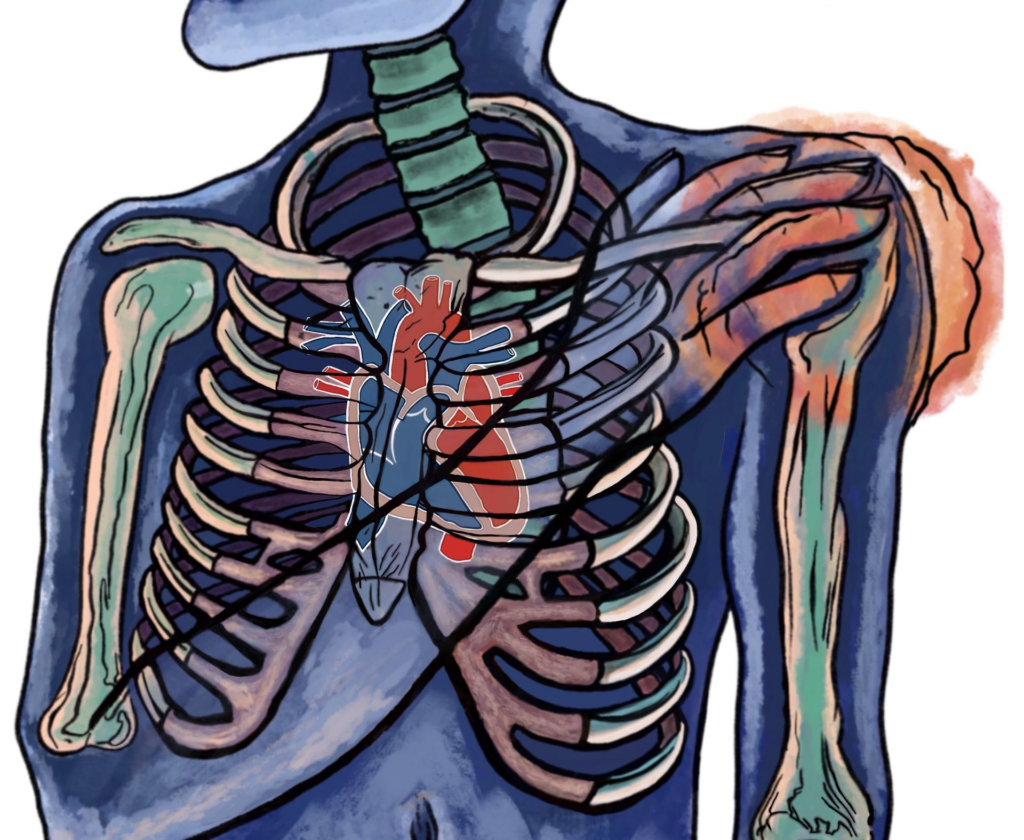
The rotator cuff plays a crucial role in the stability and mobility of the shoulder joint. Since rock climbing involves a large amount of overhead movements, this may lead to an instability in the joint and can result in rotator cuff strains and sprains. Key symptoms include pain, weakness and limited range of motion in the shoulder. Rock Climbers may also feel discomfort when reaching or extending their arm upward, especially in overhung routes or when performing wide reaches.
Climbers Elbow:
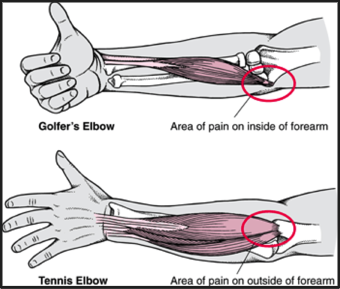
Climbers elbow is a variation of tennis elbow and/or golfers elbow. These two conditions affect the outer and inner aspects of the elbow and coincide with the overuse of the extensor and flexor forearm muscles. This injury is caused by holding grips too tightly or using poor technique. Symptoms include pain, tenderness, and swelling on the outside and/or inside of the elbow that worsens with activities that involve gripping or pulling.
Ankle Sprain:
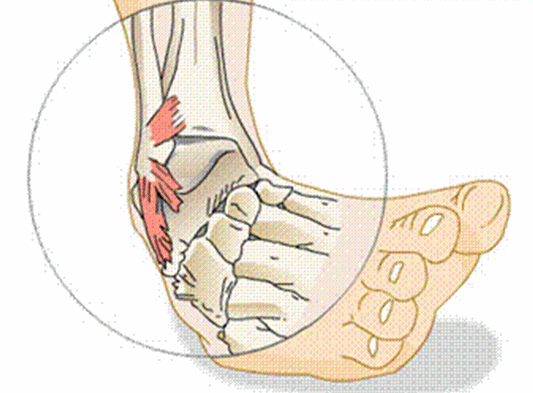
While ankle sprains are more commonly associated with hiking or trail running, they are still prevalent in rock climbing, particularly when bouldering or climbing outdoors. Ankle sprains occur when the ankle twists or rolls awkwardly, often from a misjudged landing, leading to tearing or stretching of the ligaments in the ankle. Symptoms include pain, swelling, bruising and difficulty walking and can range from mild to severe.
Stretch, Activate, and Climb:
Rock climbing is an intense and rewarding sport, but like any physical activity, it carries the risk of injury. The good news is, by incorporating a few injury prevention strategies into your routine. Rock climbing injury prevention starts with dynamic stretching, slow and easy climbs, cooldowns, and listening to your body.
1. Dynamic Stretching Before You Climb
Whether it’s going for a run or climbing up a wall, it is crucial to get your body moving and your muscles warm before beginning your workout. One of the most effective ways to do this is through dynamic stretching.
Dynamic stretching involves moving your muscles and joints through a full range of motion while keeping them active. Unlike static stretching (holding a stretch for a period), dynamic stretches prepare your body for the dynamic movements you’ll face while climbing. Dynamic stretching helps to increase blood flow, improve flexibility and activate key muscles for climbing.
Some examples from our weekly exercise page:
2. Starting Slow with Easy Climbs

When you’re starting out in rock climbing, it can be tempting to jump straight into more challenging routes, ready to test your limits. However, one of the best ways to prevent injury and build a solid foundation is by starting with slow and easy climbs. Not only does this approach allow you to develop essential skills and techniques, but it also helps your body adapt to the physical demands of climbing, reducing the risk of overuse injuries.
At the beginning of a new session, it is important to start out with lighter easier climbs to assist in warming up your muscles. This can in addition to your dynamic warm-up and should focus on technique more than speed. It can sometimes be harder to focus on the basics as you progress through the climbing stages. Taking time at the beginning of a session to focus on foot placement techniques and engaging your core may create overall benefits to your climbing skills.
3. Static Cooldowns
You’ve just finished an intense rock climbing session, your muscles and tendons are tired and feel strained from the weight they’ve been holding. Having a proper cooldown is crucial to helping your body recover and can help reduce the risk of injury prevention. Incorporating a static cooldown into your climbing routine allows your body time to focus on stretching and lengthening muscles after physical exertion.

Static stretching involves holding a stretch for 15-60 seconds at a time, allowing the muscles to relax. When you finish climbing, your muscles are often tight and shortened due to the exertion. A short, smart cooldown can counteract this to help improve flexibility and avoid overuse injuries.
Follow the links below to learn how to properly stretch some key areas to focus on when stretching:
| Forearms | Shoulders | Hips |
| Flexor Stretch | Anterior Shoulder Stretch | Hip Flexor (Quad) Stretch |
| Extensor Stretch | Posterior Shoulder Stretch | Hip Extensor (Hamstrings) Stretch |
Progressing Safely in Rock Climbing:
When it comes to injury prevention in rock climbing, progressing safely should always remain a top priority. As you become a more experienced rock climber, the natural desire will be to push your limits and attempt more challenging routes. Advancing to quickly when your muscles ligaments and body are not properly prepared is one of the top ways to lead yourself into a climbing injury. Following a methodical progression plan and using the right technique to make that happen can help advance your climbing safely!

Climbing is a sport that rewards steady, incremental progress. As exciting as it may be to tackle harder routes, moving too quickly through levels of difficulty can lead to overuse injuries, mental fatigue, and even burnout. Progressing safely means recognizing your current abilities and gradually pushing yourself beyond them, rather than leaping into more difficult challenges before you are ready.
Start by mastering routes that are within your current skill level. Focus on techniques, body positioning, and efficiency during these climbs. Once you are more comfortable with easier grades and confident in your ability to handle them without compromising form, you can then begin to attempt more difficult routes. The key is gradual progression – don’t rush it, your body needs time to develop the strength, endurance, and flexibility necessary to take on tougher climbs.
Rest and Recovery:
Our final essential tip for injury prevention in rock climbing is taking the time for rest and recovery. Your body needs time to repair, rebuild, and strengthen itself after the stresses and strains of climbing. Ignoring this crucial aspect can lead to overuse injuries, fatigue, and even long-term damage. Three ways you can incorporate more rest and recovery into your climbing routine include taking rest days, getting sufficient sleep, and listening to your body.
The Importance of Rest Days:

Climbing is a physically demanding sport, and pushing yourself too hard without allowing proper rest can lead to muscle fatigue and overuse injuries. That’s why rest days are essential. Giving your muscles time to recover allows your body to to repair any slight strains and muscle pains beginning. Without this recovery time, these small strains and pains can snowball into larger injuries.

Experts recommend taking at least one to two full rest days per week, depending on your climbing frequency and intensity. This doesn’t mean you have to completely avoid activity, but it’s wise to engage in light, non-strenuous activities such as stretching, yoga, and walking. Active recovery can help maintain blood circulation to the muscles without putting undue strain on them.
Sleep and its Benefits:
Sleep is often overlooked as a vital tool in injury prevention, but it’s during sleep that the majority of your recovery happens, while you rest, your body releases growth hormones that are essential for muscle repair and tissue regeneration. Getting 7-9 hours of quality sleep every night can significantly improve your recovery process, reduce fatigue, and keep you in top shape for your next climb.
Read more on the importance of sleep by clicking the link below:

Listening to Your Body:
Above all, the best injury prevention tool is learning to listen to your body. If you feel pain or discomfort, especially in your tendons or joints, don’t push through it. Taking a break or adjusting your training schedule when you feel fatigued can save you from more serious injuries down the line. You know your body best and know what is within the realm of normal. Pushing yourself beyond that line can lead to serious injury and may take you out of climbing for longer than expected.
If your experiencing persistent pain, don’t hesitate to contact one of our expert physiotherapists at our 5 locations located around the KW area. Our expert physiotherapists will chat with you, answer and questions you have, and make a plan to get you back to pain free!