
Managing Scoliosis: How Physiotherapy Can Make a Difference
Understanding Scoliosis
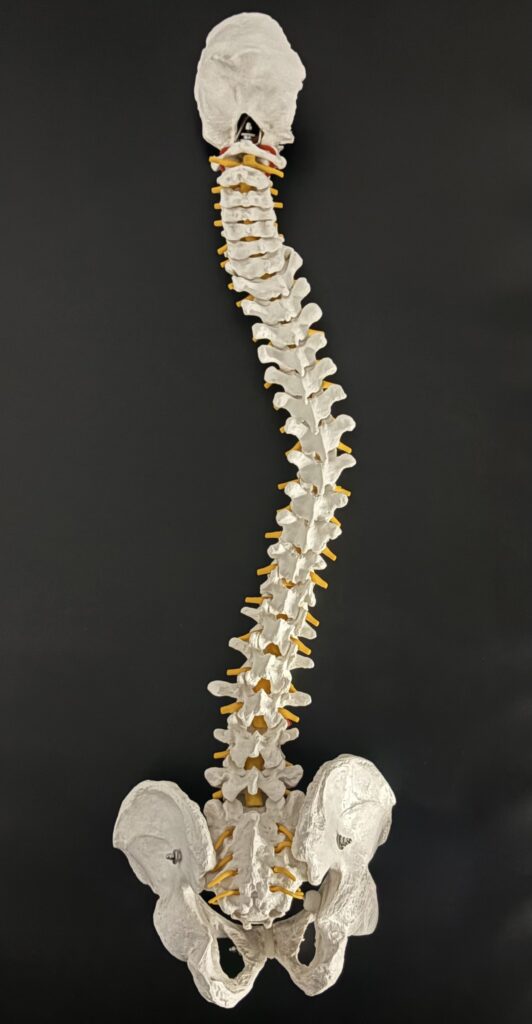
Scoliosis is a spine condition that is often defined as a sideways curvature of the spine, resulting with a C or S shape in the spine.
Scoliosis is often categorized into one of three different classifications:
- idiopathic – unknown cause, most common
- congenital – present during birth due to abnormal vertebral development
- neuromuscular – resulting from another condition like cerebral palsy or muscular dystrophy
The severity of an individual’s scoliosis is determined by the Cobb Angle of the spinal curve. Scoliosis severity is broken down into 4 different categories:
- less than 10 degrees – no scoliosis
- 10 – 24 degrees – mild scoliosis
- 25 – 39 degrees – moderate scoliosis
- 40+ degrees – severe scoliosis
Scoliosis often causes individuals to experience other side effects, including backpain, muscle imbalances, postural changes, and nerve related symptoms. These symptoms can vary in severity and often increase as the angle of the curve progresses, which is why early detection and proactive treatment are important in scoliosis management.
Physiotherapy in Scoliosis Management
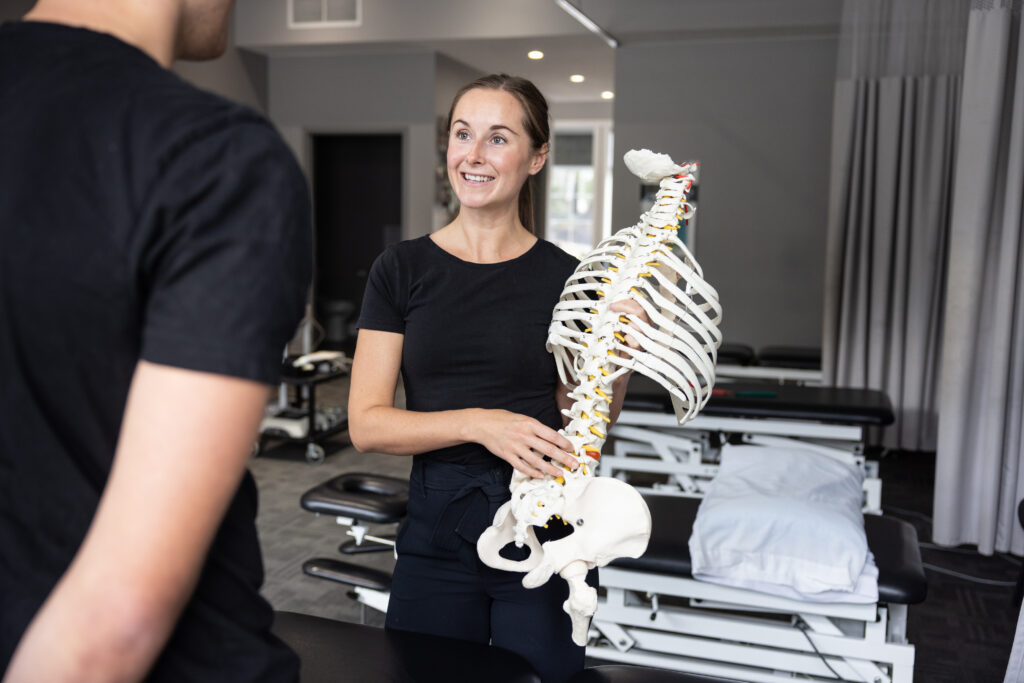
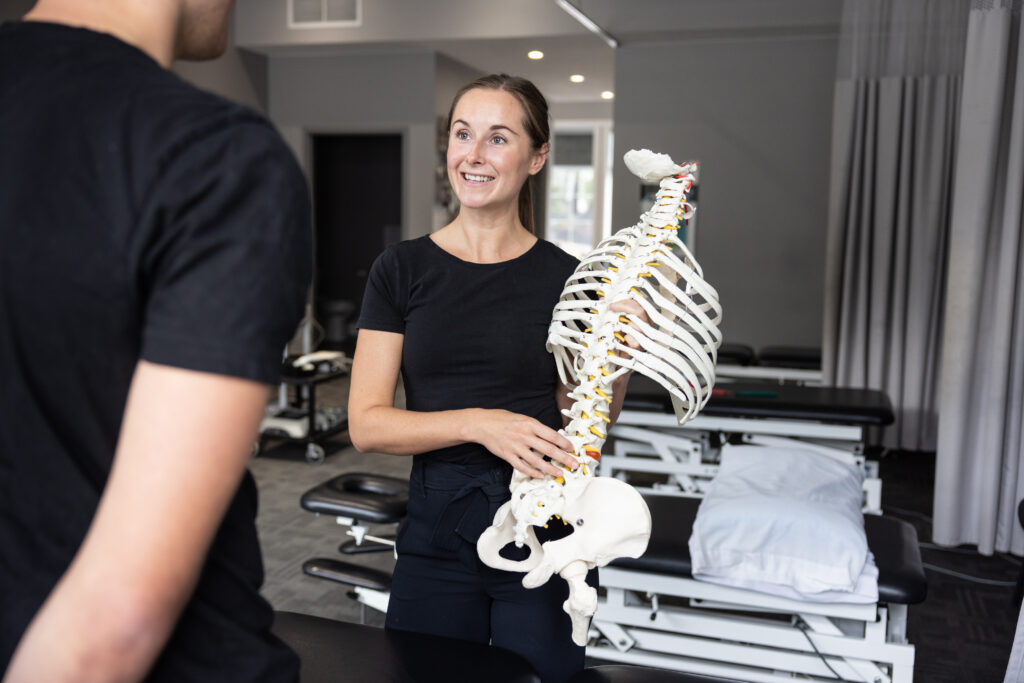
Physiotherapy plays an important and proactive role in the management of scoliosis, especially for those with mild to moderate curves, and for preventing curve progression. When treating physiotherapy, rather than focusing solely on the spinal curve itself, a full body approach is used. Using manual therapy and targeted exercises, physiotherapists can help ease muscle tension and joint stiffness, which can significantly reduce back pain and improve comfort in daily activities. The exercise programs provided by the therapist are designed to help strengthen the muscles that support the spine, particularly the core and postural muscles, helping to improve the spinal alignment.
When treating scoliosis, posture is an important aspect. Through physiotherapy patients will work to improve their posture by increasing their awareness and correcting movement patterns they may place uneven stress on the spine. In addition to improving posture physiotherapy will also assist with mobility and flexibility of the spinal region. Utilizing different exercises, the patient will gain a better ability to perform bending and rotating movements, as well as everyday activities.

Why Individualized Treatment Matters

Individualized treatment when managing scoliosis in important as everyone’s spinal curves are different and can have their own set of side effects. Having an assessment and receiving a personalized treatment plan allows the physiotherapist to account for:
- curve type and severity
- postural and muscular imbalances
- symptoms
- movement patterns and functional limitations
- skeletal maturity and growth
- personal goals
What Physiotherapy Can and Can’t Do for Scoliosis
Physiotherapy can:
- Improve quality of life
- Reduce pain and discomfort
- Improve posture and alignment awareness
- Increase strength and mobility
Physiotherapy can’t:
- cure scoliosis
- permanently straighten the spine
- replace surgery if surgery is needed
The bottom line is that physiotherapy is a management tool and not a cure for scoliosis.
The Importance of Education and Self-Management
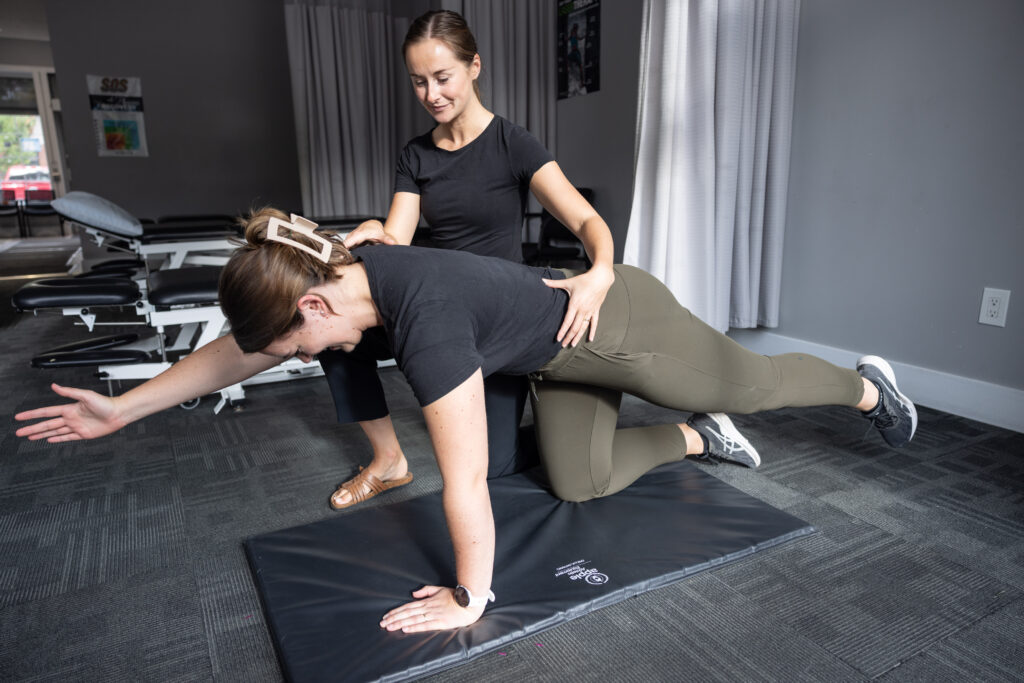
Education and self-management are essential parts of successful scoliosis care. What patients do outside of the clinic is just as important as physiotherapy treatment sessions themselves. Understanding scoliosis helps the patient make informed decisions, stay consistent with exercises, and feel more confident about staying active. Education also helps reduce anxiety and fear around the condition. Many people associate scoliosis with severe deformity or inevitable surgery, but in most cases the scoliosis is mild to moderate and manageable. Understanding this helps patients stay active and engaged rather than avoiding movement due to uncertainty or anxiety.
When to Seek Physiotherapy for Scoliosis
There are many different reasons why an individual with scoliosis may wish to pursue physiotherapy, including:
- simply want expert guidance on the condition
- after a new diagnosis
- during growth spurts
- if there is a noticeable posture change
- an increase in back pain or muscular imbalances
- having issues with completing activities of daily living
- after surgery
You don’t need to wait for severe symptoms to seek help. Physiotherapy is most effective when started early or when symptoms first appear. Whether you’re a parent of a growing child or an adult managing back discomfort, professional guidance can provide clarity, reassurance, and a structured plan for moving forward.
FAQ’s
Yes! Physiotherapy can reduce pain by: Strengthening weak muscles, reducing muscle imbalance, improving spinal alignment, and increasing flexibility.
Initially you can expect to attend 1-2 times per week and gradually decrease in frequency. You should be doing your physiotherapy exercises daily as consistency is the most important factor.
Treatment length will vary depending on the severity of the curve.
Mild scoliosis: several months
Moderate scoliosis: long-term management
Adults: ongoing maintenance exercises
Most people can stay active, and are encouraged to stay active, but therapists may limit: Heavy uneven lifting, high-impact twisting sports, poor posture for long periods.
Yes. Even though adult spines are fully developed, physiotherapy can: Reduce pain, improve posture, increase mobility, prevent worsening degeneration.