
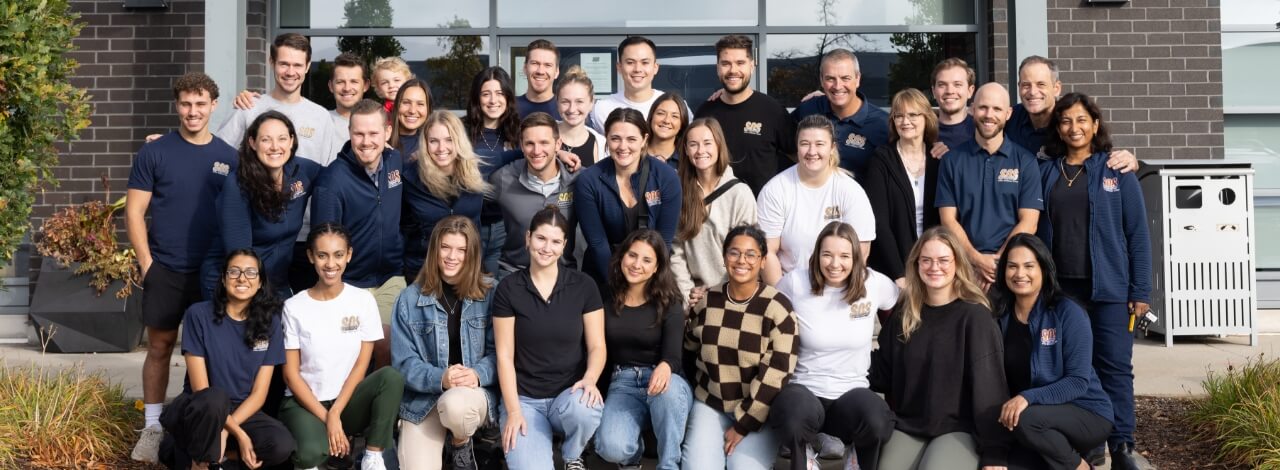
Improve Your Golf Swing and Prevent Injuries with Physiotherapy
How to Improve Your Golf Swing with Physiotherapy
Are you struggling to improve your golf swing? Physiotherapy could be the key to unlocking your full potential on the course. If you want to improve your golf swing with Physiotherapy, you can target common issues like stiffness, poor flexibility, and balance problems. In this post, we’ll discuss how to improve your golf swing with Physiotherapy techniques designed to make you stronger, more flexible, and injury-free.
Strengthen Core and Rotational Muscles for a Powerful Swing
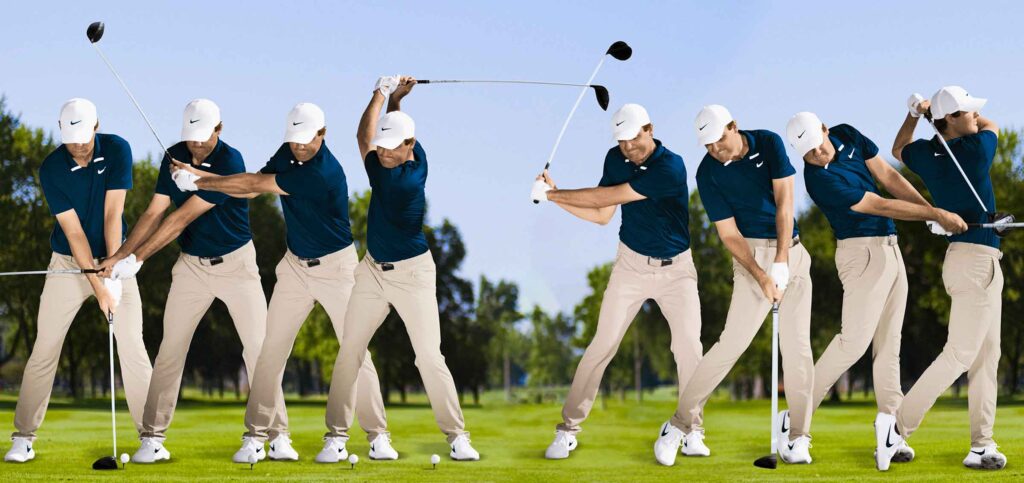
If you want to optimize your golf swing with Physiotherapy, you also need to focus on strength, especially core strength. Without a strong core, it’s hard to maintain balance or generate enough power. Physiotherapy focuses on strengthening your core muscles, particularly those involved in rotational movements, which are key for a consistent and powerful swing.
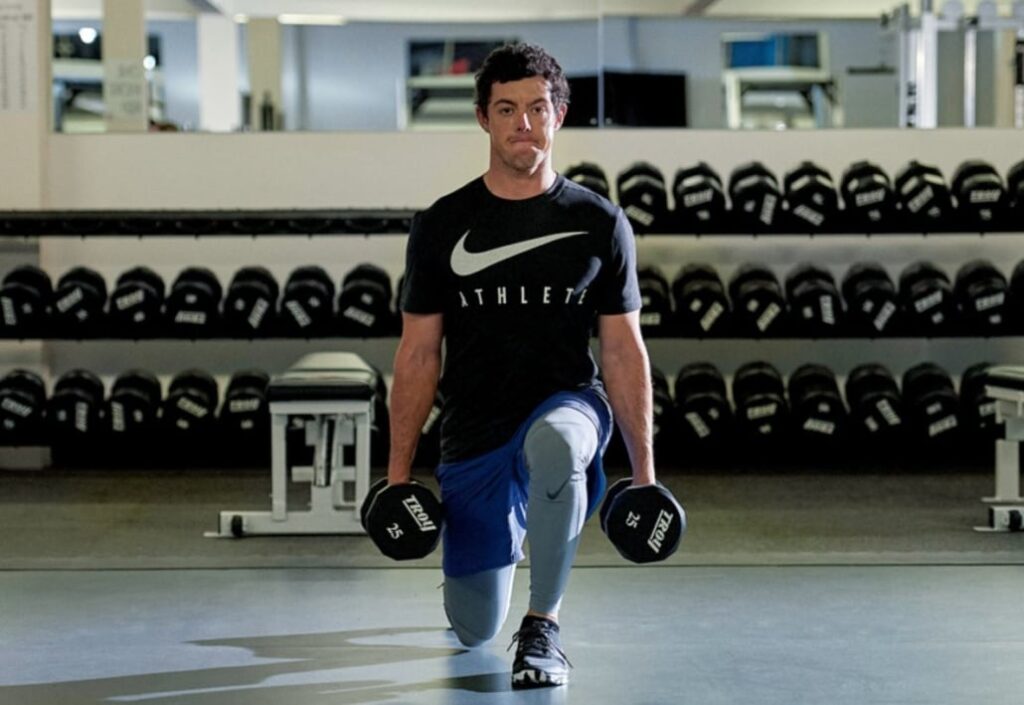
Here are three exercises that will help you generate more power and consistency with physiotherapy:
- Supination/Pronation Wrist Exercise: Strengthens the muscles around the wrist for better control.
- Glute Bridge: Strengthens your glutes, which are key to maintaining power and balance during your swing.
- The Monster Walk: Targets your hips and glutes, helping you stay stable during rotational movements
Enhance Flexibility and Mobility for a Smoother Swing
Mobility and flexibility are essential if you want to refine your performance with Physiotherapy. Tight muscles can limit your ability to rotate and follow through, reducing both power and accuracy. Physiotherapy focuses on loosening these muscles and improving your range of motion through targeted stretches and exercises. Key areas like your hips, shoulders, and spine are crucial for a powerful golf swing.
Here are some simple exercises that can help you improve your golf swing with physiotherapy:
- Kneeling Hip Flexor Stretch: Helps improve hip mobility, which is essential for a smooth swing.
- Thoracic Rotation: This stretch targets the spine, increasing flexibility in your upper back.
- Thoracic Extension: A great exercise to open up the chest and allow better rotation.
By improving your flexibility, you’ll not only have a smoother swing but also reduce your chances of injury. For more information on mobility exercises that help improve your golf swing with physiotherapy, check out mobility exercises for athletes.
How to Prevent Injuries with Physiotherapy
Preventing injuries is crucial for any golfer aiming to stay active and pain-free on the course. Physiotherapy can address common issues that lead to back, wrist, and elbow pain, allowing you to swing with confidence. In this section, we’ll explore how Physiotherapy helps prevent injuries by improving strength, flexibility, and proper mechanics in key areas prone to strain and overuse.
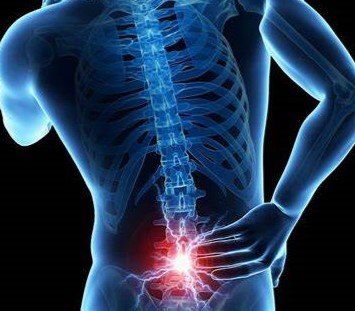
Addressing Back Pain Through Physiotherapy
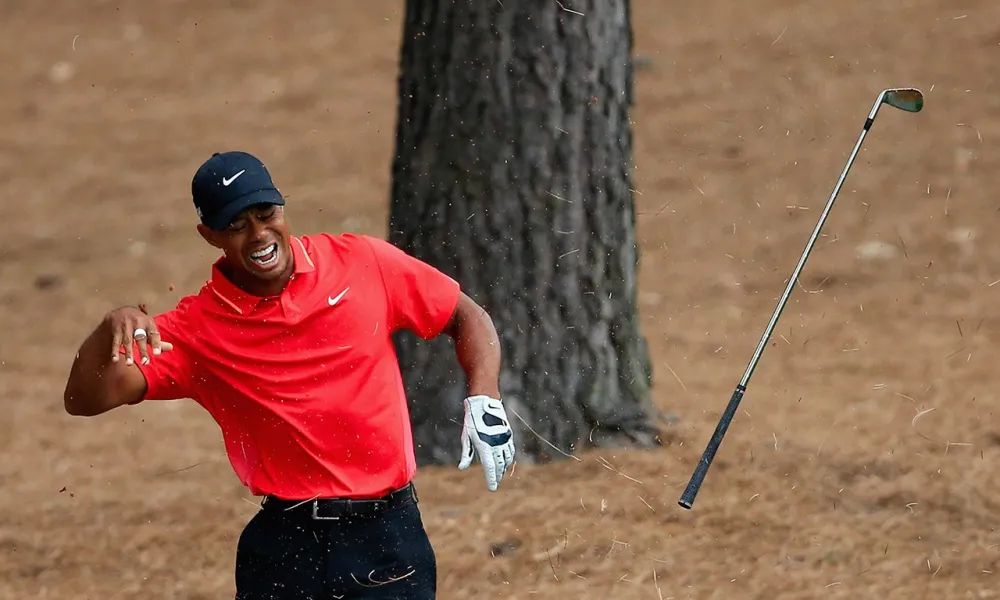
The twisting motion during a golf swing can place significant stress on the lower back. Physiotherapy helps by improving core strength and spinal flexibility, reducing the load on your back. This can drastically improve your golf swing with Physiotherapy techniques.
Common Causes of Back Pain in Golf:
- Poor Swing Mechanics: Incorrect swing technique places excess strain on the lower back, leading to injury.
- Lack of Flexibility: Tight muscles, especially in the hips and spine, limit rotation and cause compensatory stress on the back.
- Poor Posture: Slouching or incorrect posture during setup increases spinal stress, making back pain more likely.
Addressing Wrist Pain Through Physiotherapy
Improper swing mechanics and repeated impact can lead to wrist pain, such as tendinitis or sprains. Physiotherapy focuses on strengthening the wrist muscles and improving flexibility to prevent overuse injuries and reduce pain during swings.
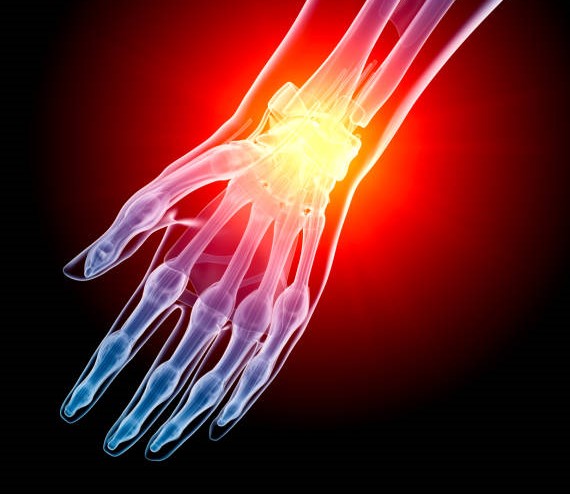
Common Causes of Wrist Pain in Golf:
- Poor Grip Technique: Holding the club too tightly or with improper hand positioning can strain the wrist.
- Overuse: Repetitive swinging without proper rest can lead to tendinitis or other overuse injuries.
- Impact Injuries: Striking the ground or an uneven surface during a swing can cause sudden wrist trauma.
Addressing Golfer’s Elbow Through Physiotherapy
Golfer’s elbow, caused by overuse of the forearm muscles, results in pain and inflammation in the tendons around the elbow. Physiotherapy helps by improving grip strength, correcting swing mechanics, and stretching the forearm muscles to prevent strain.
Common Causes of Golfer’s Elbow:
- Overuse of the Forearm Muscles: Repeated swinging motions can overload the tendons, leading to inflammation.
- Improper Swing Mechanics: Poor form, particularly during the follow-through, can place excess strain on the elbow.
- Lack of Strength: Weak forearm muscles make it harder to absorb the impact of the swing, increasing strain on the elbow.

Take Your Game to the Next Level with SOS Physiotherapy
If you want to improve your golf swing and prevent injuries, Physiotherapy can make a big difference. At SOS Physiotherapy, we specialize in targeted techniques to keep golfers active, flexible, and pain-free. Our personalized care plans enhance mobility, strength, and stability, so you can play your best.
During your first session, we’ll assess your golf goals, health history, and any areas of pain to create a plan that’s just right for you. Our approach includes:
- Sport-Specific Physiotherapy: Targeted treatments tailored to the unique physical demands of golf, helping you play without limitations.
- Manual Therapy and Joint Mobilization: Techniques to ease tension and enhance mobility, ensuring you can rotate and follow through without discomfort.
- Proactive Injury Prevention: Practical strategies to address issues like back, wrist, and elbow pain, helping you stay on the course without setbacks.
For more tips, check out this quick video with a Physiotherapist’s advice on managing arthritis, setting up your stance, optimizing hip rotation, and finishing your swing. These insights are invaluable for staying pain-free and boosting performance.
Whether it’s refining your swing or preventing injuries, SOS Physiotherapy is here to help. Don’t let pain keep you from the game you love. Contact us today to schedule an assessment and discover how a personalized Physiotherapy plan can elevate your golf game.