
Common Court Injuries: How Physiotherapy can help
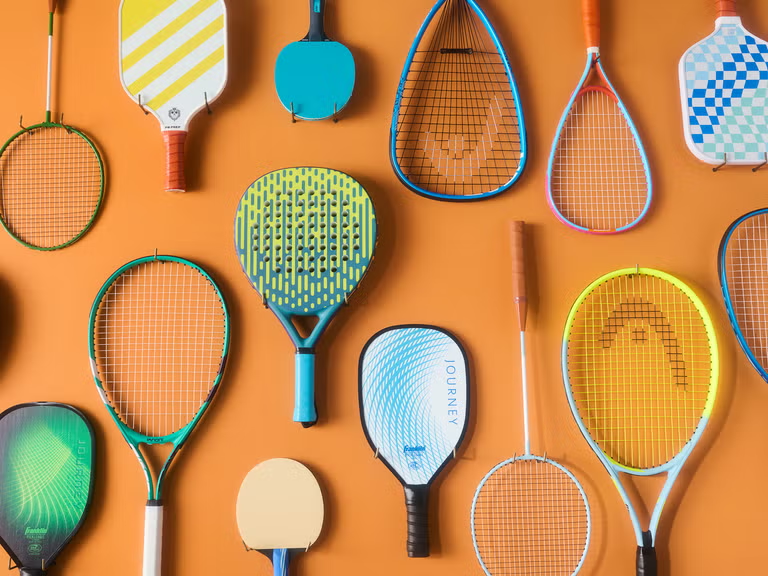
Different Sports, Similar Injuries
People of all ages are increasingly engaging in racquet sports like tennis, squash, badminton, and pickleball for their fast pace and dynamic nature. However, with their quick directional changes, repetitive swinging, and high physical demands, these sports come with a set of injury risks. Consequently, players often find themselves sidelined by preventable conditions that start small and escalate with overuse. As these sports grow in popularity, it’s important to understand the common injuries that can occur during these movements. The following blog will go over some of the most common injuries seen in racquet sports, some prevention strategies and how physiotherapy can help you recover.
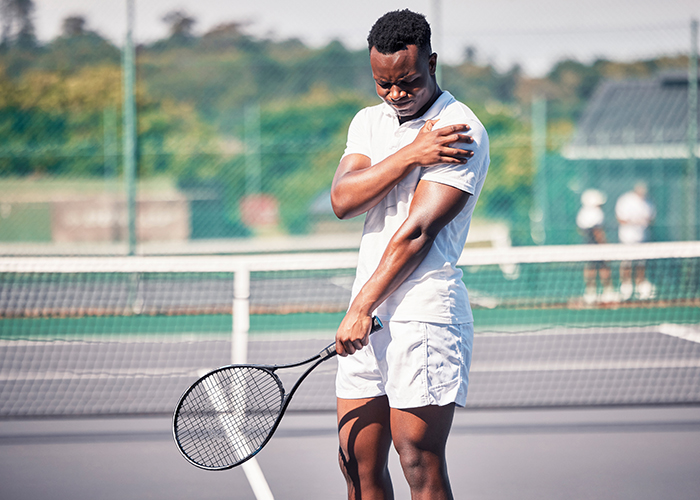
What are Some of the Most common Racquet Sport Injuries?
Tennis Elbow
What is it?
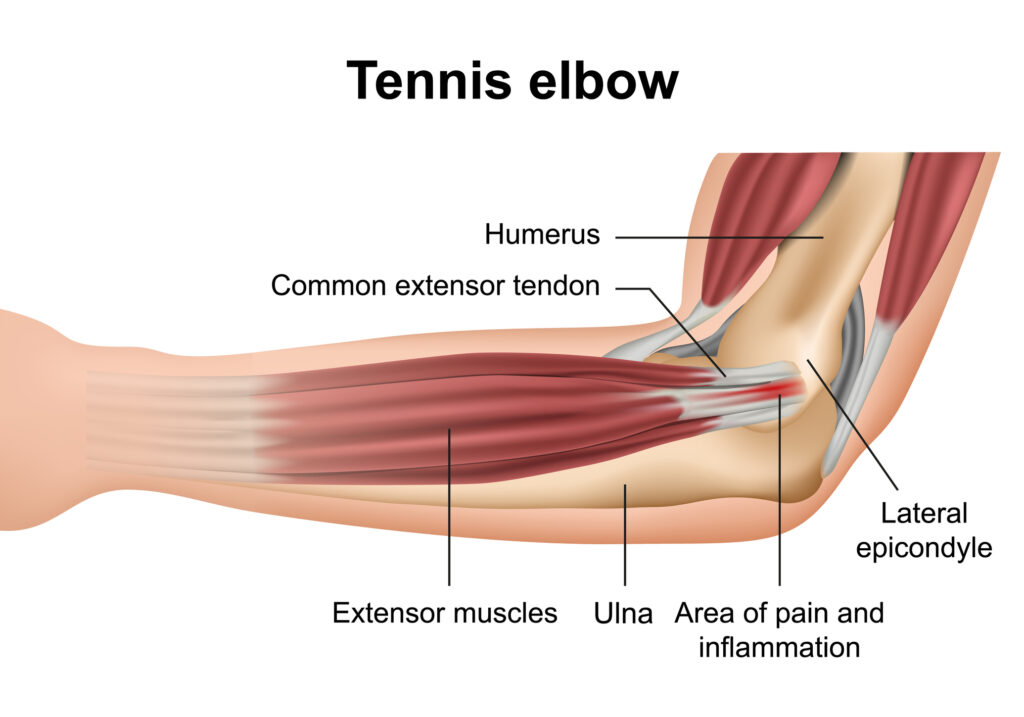
This condition, formally known as Lateral Epicondylalgia, involves pain and sometimes inflammation around the elbow joint. It is a form of tendinopathy affecting the tendons that join the forearm extensor muscles on the outside of the elbow. It is commonly seen among tennis players and in other racquet sports, given the name.
How is Tennis Elbow Caused?
Lateral epicondylalgia is an overuse injury. What does this mean? Specific repetitive movements can put a lot of stress on our muscles. Because of this stress, the muscles become weakened leading to microscopic tears in the tendon that attaches to said muscles. The back hand stroke of a racquet is a very common offender.
Check out this video of our Physiotherapist Gordon explaining tennis elbow in more detail and going over how physiotherapy can help you recover from this injury:
Rotator Cuff Tear
What is the Rotator Cuff?

Our rotator cuff is made up of 4 muscles; supraspinatus, infraspinatus, subscapularis and teres minor. These muscles come together as tendons to form a covering or “cuff” around the head of the humerus. It connects your scapula (shoulder blade) to the humerus (upper arm) and helps lift and rotate your shoulder/arm.
What does it mean to have a “tear”?
When one of the tendons of the rotator cuff is torn they become partially or fully detached from the head of the humerus. This is often a result of a sudden trauma or in the case of racquet sports through wear and tear over time.
- Partial Tear
- The tendon remains attached to the bone, the tear only goes partially through the thickness of the tissue. This type of injury involves a torn or frayed tendon, but some fibers stay intact. The severity of these tears can range from minor fraying to significant damage, yet the tendon does not fully separate.
- Full Tear
- The tear goes through the entire thickness of the tendon, giving it the name full-thickness tear. These can either be complete or incomplete. When the tendon completely detaches from the bone this is a full thickness complete tear. If part of the tendon is still attached to the bone then it is a full thickness incomplete tear.
Ankle sprains
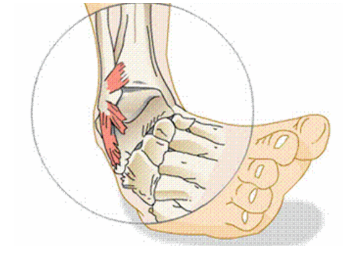
What is it?
Ankle sprains frequently occur in many sports, especially in racquet sports that involve fast movements and quick changes in direction. These musculoskeletal injuries happen when athletes overstretch or tear the ligaments in their ankles, often by rolling or twisting the joint awkwardly. The severity of each sprain varies based on factors such as which ligaments are involved, how many, and the extent of the tearing.
Here is an article from our website that goes into more depth on ankle sprains, how they occur and what to expect from physio treatment for an injury like this:
Injury Prevention Strategies
Racquet sports are a great way to be physically active and have fun simultaneously. Although playing these sports can come with the risk of experiencing certain injuries, there is no need to fret! With the use of proper injury prevention strategies you will be able to continue to play the sport you love pain free for years to come.
Dynamic stretching
No matter the activity or sport, it is important to get our bodies moving and warm prior to engaging in any intense physical activity. Dynamic stretching plays a crucial role in preparing the body for movement by actively engaging muscles through controlled, sport-specific movements. Unlike static stretching, which holds muscles in place, dynamic stretching increases blood flow, enhances joint mobility, and elevates heart rate, preparing the body for performance. It not only improves flexibility and coordination but also helps reduce the risk of injury by mimicking the motions of upcoming activity, making it an essential part of any effective warm-up routine.
Appropriate Footwear
Wearing proper footwear is crucial when playing racquet sports such as tennis, pickleball, squash, or badminton, particularly for preventing ankle injuries. These sports involve rapid lateral movements, quick pivots, and sudden stops that place significant stress on the ankles. Footwear designed specifically for racquet sports provides the necessary lateral support, stability, and grip to handle these demands, reducing the risk of ankle rolls or sprains. Unlike running shoes, which are built for forward motion, racquet sport shoes have reinforced sides and a lower profile to enhance balance and responsiveness. Choosing the right shoes not only protects the ankles but also improves performance and overall safety on the court.
Check out this short video that explains the difference between running shoes and court shoes in more depth and how they can help reduce the risk of ankle injuries:
Injury Prevention Products
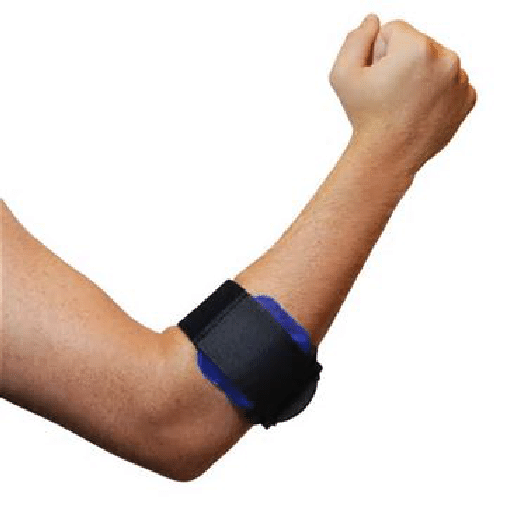
Forearm braces, also known as counterforce braces, have gained popularity among the racquet sport community. Athletes use them to relieve pain caused by elbow tendonitis, including tennis elbow and golfer’s elbow. Users position the brace just below the elbow, where it actively helps redistribute the forces generated by the forearm muscles away from the injured tendon or medial/lateral epicondyle. By compressing the muscle belly, the brace reduces the force these muscles exert. As a result, it decreases the tension and strain on the tendon, helping prevent further damage to its microtears.
Check out the video below that outlines how to properly put on a counterforce brace:
Physiotherapy Treatment
Physiotherapy plays a crucial role in both preventing and treating injuries commonly associated with racquet sports. These activities place significant stress on the joints, tendons, and muscles—particularly in the shoulders, elbows, wrists, and lower limbs. Physiotherapy involves the use of tailored exercise programs to improve strength, flexibility, and joint stability, helping participants build resilience against common issues like rotator cuff strains, tennis elbow, and ankle injuries.
In the event of an injury, physiotherapy provides hands-on treatments to promote healing, restore function, and reduce the risk of re-injury. Some of these hands-on treatments may include dry needling, acupuncture, soft tissue work, in clinic modalities, heat/cold therapy and taping. These techniques can provide symptom management in the early stages of an injury to provide pain relief.