
Build Your Own Workout: A Physio-Approved Guide
Whether you’re new to working out or a seasoned gym-goer, building your OWN workout can feel overwhelming. With so much information out there, it’s hard to know where to begin or how to make sure your program is both safe and effective. As physiotherapy professionals, we believe in empowering people with the knowledge to move better, train smarter, and stay injury-free.
In this blog post, we’ll walk you through the key steps of creating your own training program, from setting goals to choosing the right exercises. Let’s build your best workout yet!
Step 1: Define the Goal of your Workout Journey!
Before jumping into sets, reps, and routines, it’s essential to define what you want to achieve. A clear goal will guide every decision you make with your training.
Ask yourself:
- Do I want to build muscle?
- Am I looking to lose weight or improve cardiovascular health?
- Do I want to increase strength, boost energy, or reduce pain?
- Am I training for a specific event or activity (like a hike, race, or sport)?
Physio tip: Pick one primary goal to focus on at a time. Trying to achieve everything at once often leads to poor results—or worse, injury.
Step 2: Choose the Right Type of Exercise
Different goals call for different types of training. Here’s a breakdown of the main exercise categories and what they’re best suited for:
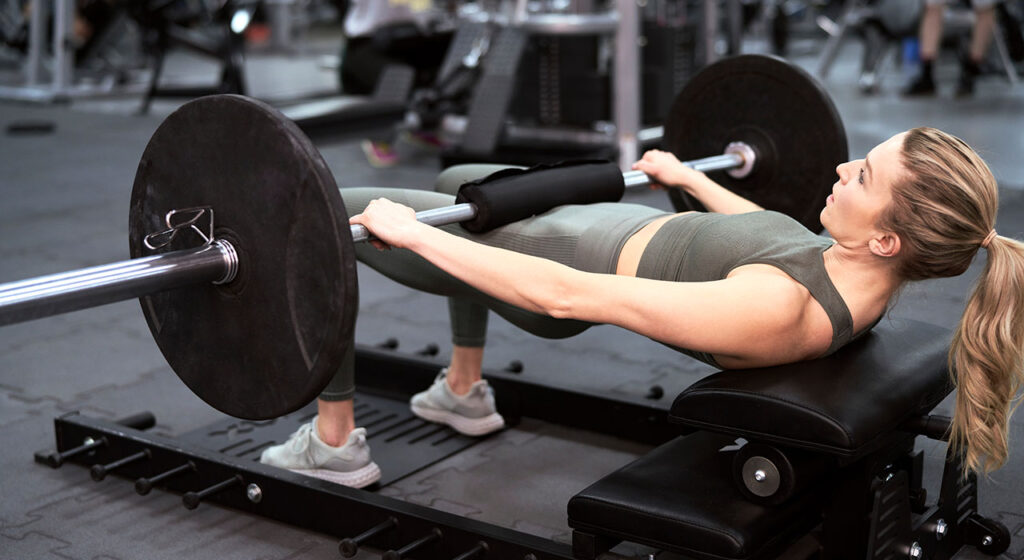
1. Resistance Training
Examples: Dumbbell workouts, machines, resistance bands, bodyweight training
Best for: Building strength, increasing muscle mass, improving joint health
2. Cardiovascular Training
Examples: Walking, jogging, cycling, swimming, dancing
Best for: Improving heart health, burning calories, increasing endurance

3. Mobility & Flexibility
- Best for: Improving range of motion, reducing stiffness, and preventing injuries
- Examples: Stretching, yoga, dynamic warm-ups
4. Balance & Stability
- Best for: Injury prevention, older adults, athletic performance
- Examples: Single-leg exercises, balance boards, etc.
Most effective workout plans combine multiple types of training for well-rounded fitness.
Step 3: Dive Deeper Into Resistance Training Workouts
Resistance training is one of the most important pillars of any workout plan, especially for long-term health and injury prevention.
What Are You Training For?
The way you approach resistance training should depend on your main goal:
| Goal | Reps | Sets | Rest | Weight |
|---|---|---|---|---|
| Strength | 3–6 | 3–5 | 2–3 min | Heavy |
| Hypertrophy (Muscle Growth) | 6–12 | 3–4 | 30–90 sec | Moderate |
| Muscular Endurance | 12–20 | 2–3 | 30 sec | Light |
Step 4: Use Movement Patterns to Structure Your Workout
Rather than focusing on individual muscles, physiotherapists and strength coaches often structure workouts around movement patterns. This approach ensures balanced training and better carryover to real-life function.
Here are the 6 foundational patterns to include in your workout:

1. Push
Examples: Push-ups, shoulder press, chest press
Movements where you push the weight away from your body
2. Pull
Examples: Rows, pull-ups, lat pulldowns
Movements where you pull weight toward your body


3. Hinge
Examples: Deadlifts, hip thrusts, kettlebell swings
Hip-dominant movements that train the posterior chain
4. Squat
Examples: Squats, goblet squats, step-ups
Knee-dominant patterns involving both hips and knees

5. Lunge / Split Stance
Examples: Lunges, Bulgarian split squats, walking lunges
Single-leg movement that improves balance, control, and coordination
6. Core/Stability
- Strengthening the muscles that support your spine and pelvis
- Examples: Planks, dead bugs, bird dogs
Step 5: Build a Sample Workout
Now that you have all the pieces, it’s time to put them together!
A Balanced Workout Format:
- Warm-Up (5–10 minutes)
- Light cardio + dynamic stretches
- Activation (Optional)
- Target underactive areas (e.g., glutes, core)
- Main Strength Work (20–30 minutes)
- Compound lifts and movement patterns
- Accessory Work (10–15 minutes)
- Isolation or rehab-specific exercises
- Cool Down (5–10 minutes)
- Static stretching, breathing, or foam rolling
Example: Full-Body Beginner Routine (2–3x/week)
Goal: General fitness & strength
Warm-Up (5 minutes)
- Jumping jacks (30 sec)
- Arm circles (30 sec)
- Bodyweight squats (30 sec)
- Hip openers (30 sec)
- Light marching in place (1 min)
Strength Work (20-30 minutes)
| Movement | Exercise | Sets x Reps |
|---|---|---|
| Squat | Goblet Squat | 3 x 10 |
| Hinge | Dumbbell RDL | 3 x 10 |
| Push | Incline Push-Up | 3 x 8 |
| Pull | Resistance Band Row | 3 x 10 |
| Core | Dead Bug | 2 x 10/side |
Cooldown (5 minutes)
- Seated hamstring stretch – 30 sec/side
- Child’s pose – 1 min
- Diaphragmatic breathing – 2 minutes
Don’t Forget Your Warm-Up!
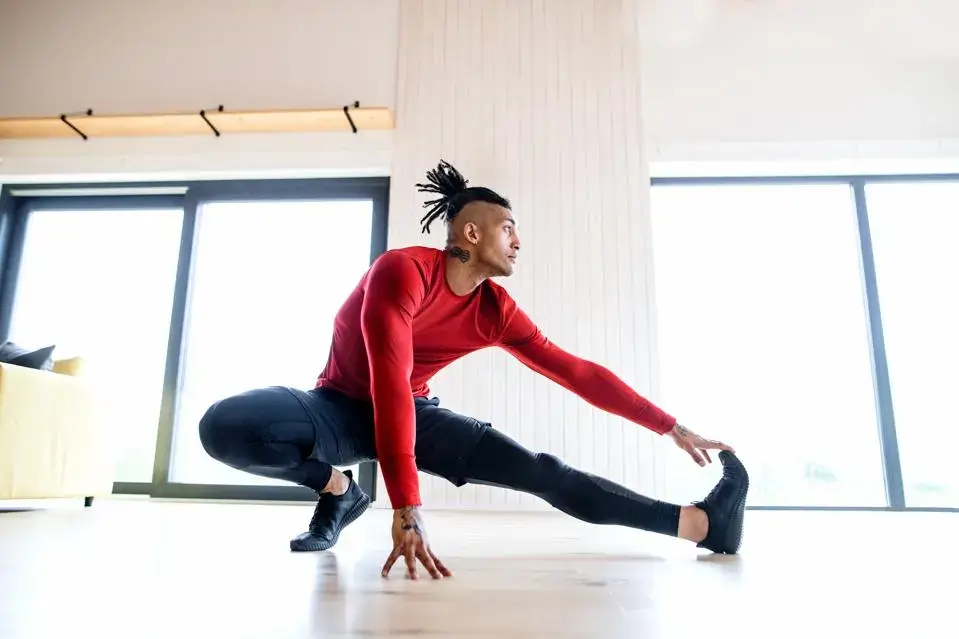
Warm-ups aren’t just to “get moving.” They:
- Help prevent injury
- Increase blood flow to muscles
- Lubricate joints
- Prime nervous system & muscle activation
Pro Tip: Include movement-specific warm-ups. Doing squats? Add bodyweight squats to your warm-up.
Ready to Get Started?
By following these steps, you can create a routine that feels custom to your body and your goals, without the guesswork. And if you’re ever unsure about how an exercise should feel or want to ensure you’re on the right track, don’t hesitate to reach out to a physiotherapist for guidance. At SOS, our clinicians can help create a personalized exercise program tailored to your goals and body’s demands, helping you stay injury-free as you work towards crushing your goal!
Frequently Asked Questions
This depends on your goals and current fitness level. A general guideline is:
Beginners: 2–3 days/week
Intermediate/Active individuals: 3–5 days/week
Advanced: 4–6 days/week with varied intensity
Always include rest or active recovery days to allow your body to recover.
It depends on your goal:
If your goal is to build strength, prioritize resistance training first.
If your goal is cardiovascular endurance, start with cardio.
If you’re doing a general fitness workout, it’s okay to mix both, just ensure you do a proper warm-up before either.
Yes! A warm-up prepares your body for movement by increasing blood flow, raising your core temperature, and activating muscles. It helps prevent injury and improves performance. A good warm-up includes light cardio and dynamic stretches that mimic your workout movements.