

Foam Rolling: What does it do?
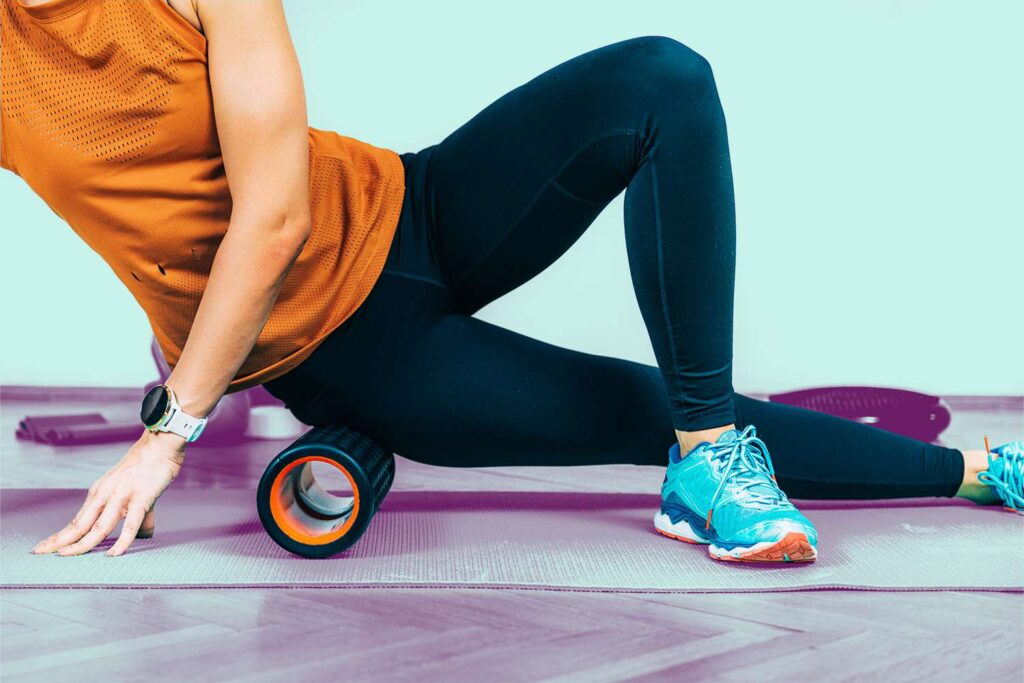
Have you ever seen someone in the gym or in a clinic foam rolling, and wondered what it’s for? Foam rolling commonly used for pain relief, but, did you know that it can help improve exercise performance and posture? This technique is frequently used in physiotherapy and incorporated in daily routine. There are numerous benefits that can be helpful for you!
WHAT CAN YOU USE IT FOR?
After a Workout
Feeling sore, tight, or numb are common adjectives to describe how you might feel after a workout. Knowing when foam rolling is beneficial is the first step in determining whether it’s a good practice for you. Foam rolling after a workout can be seen as a way to speed up recovery. It allows you to massage the area without having to see a massage therapist after every workout. Foam rolling helps release tension in the muscles, which, in summary, results in less pain and stiffness.
Increasing Mobility
Flexibility is another reason why people start to foam roll. It increases mobilization by speeding up circulation in your muscles. But what does speeding up circulation mean, and why is it good for your muscles? Blood constantly flows through the body, meaning there’s a continuous exchange of waste and oxygen. Oxygen is essential because it helps create energy to repair muscle. Foam rolling helps move fluid through the muscle, removing waste and allowing beneficial substances to flow back in.
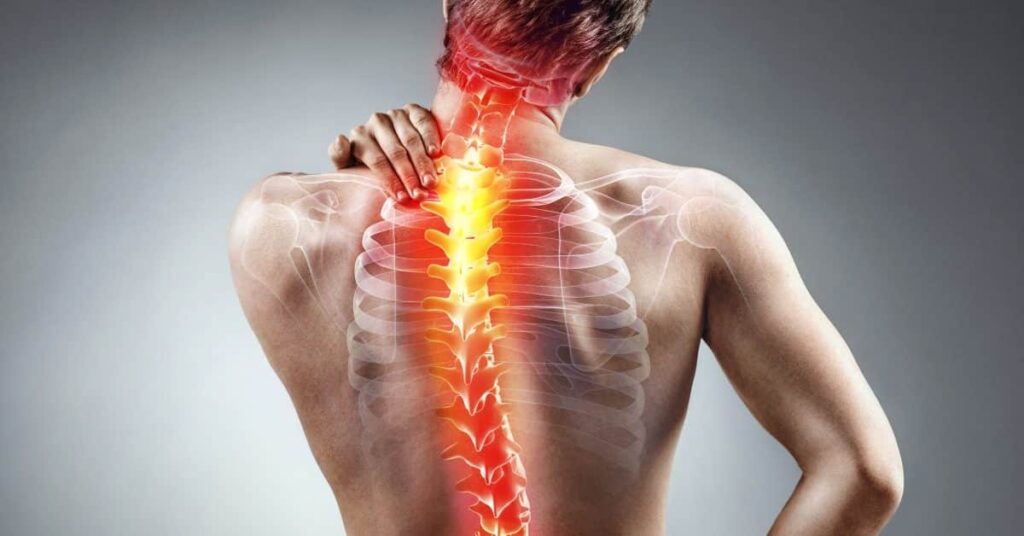
Why suffer in pain, when you can foam roll?
Many people suffer with thoracic back pain, which can be a tough place to release tension. Foam rolling is one of the best ways!
Improving Posture
Slouching and having a rounded posture is extremely common, especially when working at a desk, constantly on your phone or computer, or sleeping in certain positions. Achieving and maintaining a “good posture” is a tricky thing to do. To improve your posture, foam rolling and making a habit to changing your posture every 30 minutes can help YOU make improvements to your posture over time!
Exercise!
Many people DON’T realize that foam rollers are have multiple purposes. They are not only for stretching but they can also be used as a form of exercise. You can use a foam roller for adjusting your gait, making prescribed physiotherapy exercises harder, balancing, and so much more!
MOST COMMON PLACES FOR FOAM ROLLING
Here are a few common places:
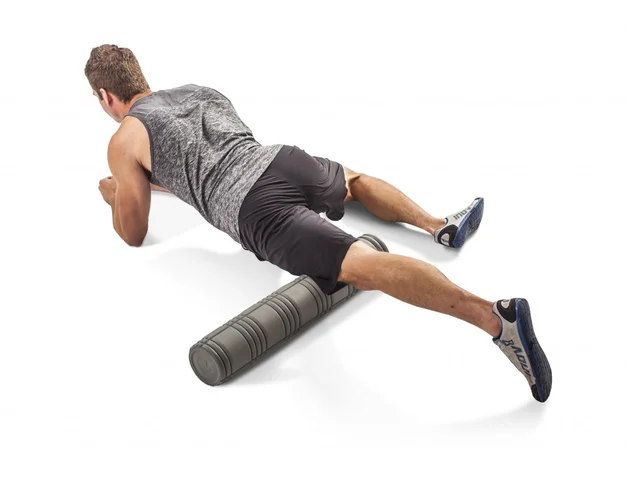
- Quadriceps
- Hamstrings
- Calves
- Glutes
- Thoracic Spin
STEPS TO FOAM ROLL
Foam rolling can be an intimidating process, especially if you don’t know the correct positions and movements. However, anyone can do it! Depending on where the pain or soreness is, there are specific positions that can relieve and stretch the muscles. First, identify where you feel pain, the muscle group you’ve worked out, or the area where you want to improve mobility. Next, position the foam roller correctly for the muscle and begin foam rolling. Finally, make sure you don’t do it too often. Too much of anything is never good for you. Below is a video demonstrating the different ways one foam roller can help target various muscles
SOS PHYSIOTHERAPY FOAM ROLLING
Here are a few of our SOS staff showing you how a foam roll can be multi purposeful! Below are a few different exercises for stretching or
IS THERE A WRONG WAY TO FOAM ROLL?
YES!
There are a few things that you SHOULD NOT do when foam rolling.
- Going over the recommended time or frequency can cause bruising, discomfort, or even pain in the area. Bruising can also happen when you foam roll over smaller muscles for a long time.
- Never foam roll over extremely bony areas. Not only will it hurt but it can cause intense damage or injury in places like the spine when done in gross amounts.
- Do not roll over sensitive areas. Areas with lots of nerves or organs underneath can also cause damage and pain. The neck consists of many muscles, however it contains a lot of nerves, therefore foam rolling would not be the best way to relieve tension. Try stretching instead! The abdomen protects our organs, so rolling over this area can also hurt. Be sure to talk to a professional if you have any questions about foam rolling!

If you have any questions, give one of our clinics a call!
SOS Physiotherapy Clinic Phone Numbers
“WHICH FOAM ROLL IS THE BEST FOR ME?“
“Should I get a long one?”, “Should I get a textured one?”, “What about a dense one?”. There are a TON of different types of foam rollers out there, so how should you know which one is best? The type of foam roller is extremely important and is based on what you are using it for. There are three different categories for foam rollers:
LENGTH
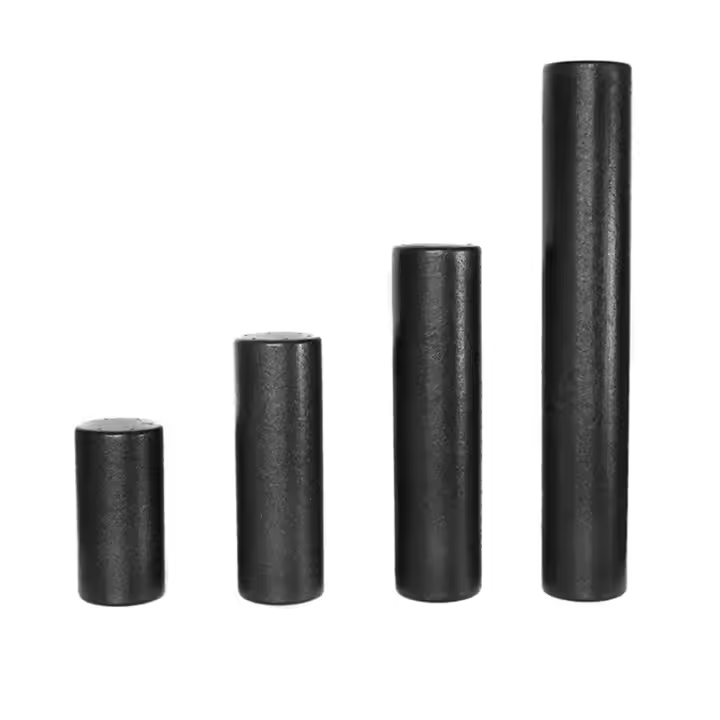
Does length matter?
The best foam roller to get as a beginner is a 36′, which is the longest foam roller shown on the right. It gives support for the large areas, like the back, the quadriceps, and the hamstrings. Longer foam rollers are more versatile. As you get shorter, there are limited muscles you can roll over. 18″ and 12″ tend to be for the calves and smaller muscle groups.
What are the different lengths?
From left to right:
- 12″
- 18″
- 24″
- 36″
DIAMETER
Does the diameter matter?
Yes!
In the picture to the right, there are a variety of different diameters. The classic foam roller is 5-6 inches which is good for beginners since it supports your whole weight. 3-4 inches tends to be a stronger pressure, and deeper tissue release. There are also massage sticks, which are about the size of a rolling pin, and they are often used on the legs.
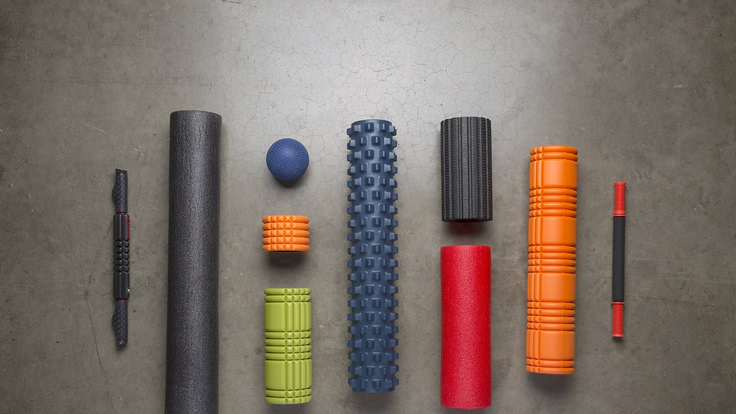
TEXTURE
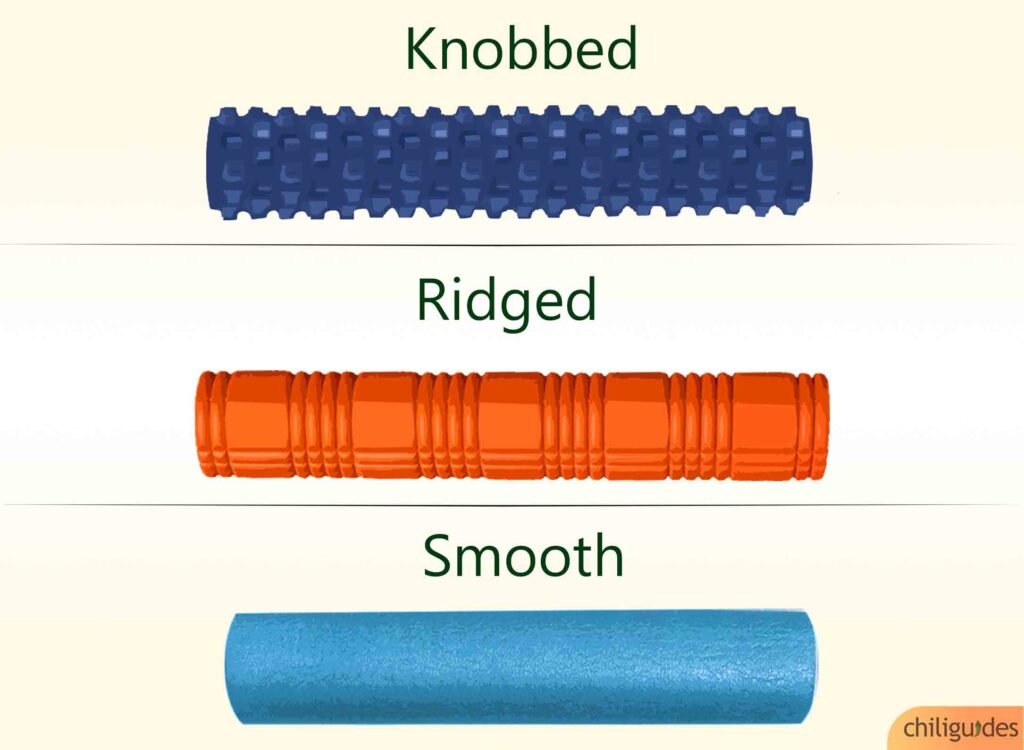
Does texture matter?
Knobbed: These techniques are aimed at deep tissue work and myofascial release, focusing on particular knots and tight areas. They may be intense but beneficial for constant tightness.
Ridged: Created to replicate deep-tissue massage, these rollers penetrate muscle knots and trigger points more efficiently. They may feel stronger or painful in sensitive regions.
Smooth: Delivers distributed pressure and are ideal for novices or individuals seeking a milder massage experience. They are beneficial for overall muscle recovery and relaxation.
FAQs For Foam Rolling
A safe recommendation is 2-3 times a week for 1-2 minutes each area when not prescribed by a professional. The more active you are, the more tight your muscles will be by the end of your workout. If you notice benefits from this, then you can add it to your every day routine. Always remember to listen to your body, especially if it is starting to make things worse.
When muscles are tight, there will be some discomfort. You may be rolling over an injury or exerting too much pressure if the pain is severe or getting worse. To reduce discomfort, try shifting positions or using a softer foam roller.
Stretching and rolling foam are different. Stretching increases range of motion and flexibility, while foam rolling helps enhance blood flow and relieve tense muscles. Include both in your routine for optimal effects!
Although massage therapy and foam rolling both aid in the release of tense muscles, foam rolling is a self-care method that you can do on your own at home. Professionals offer massage treatment, which frequently focuses on more targeted locations and deeper muscle layers. While massage therapy can be more focused on reducing stress and chronic pain, foam rolling helps with myofascial release, which enhances circulation and mobility.