

Bounce Back Better: Preventing and Treating Gym Injuries
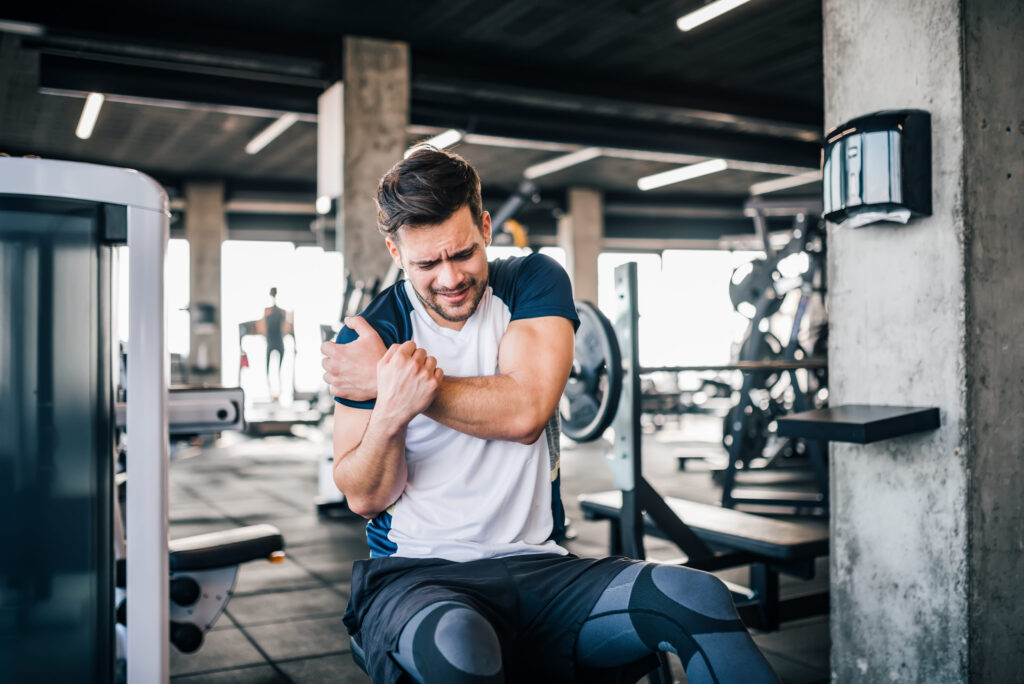
Your Go-To Guide for Avoiding Gym Injuries and Stronger Recovery!
Whether you’re a seasoned athlete or a casual gym-goer, knowing how to prevent and treat common gym-related injuries is key to staying healthy and reaching your fitness goals. In this guide on preventing and treating gym-related injuries, you will find essential tips to help you avoid injuries and effective strategies for handling them if they occur.
Understanding Common Gym Injuries
Equipment-Related Injuries in the gym can occur when equipment is used improperly or without proper technique. This can place undue stress on muscles and joints, leading to discomfort and potential injuries including…
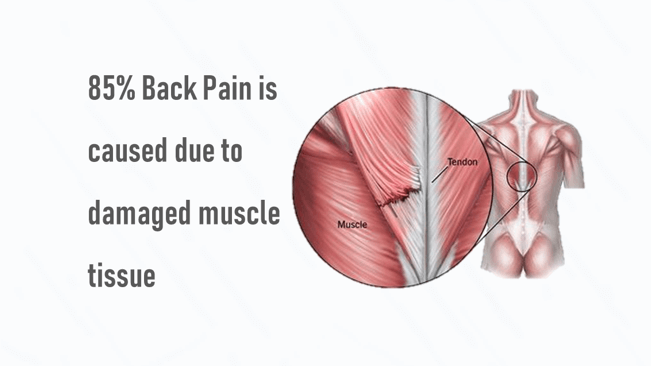
Muscle cramps, strain, and spasms
- Lower back sprains occur when you strain the muscles around your spine, often from heavy exercises like squats and deadlifts. This can cause sudden pain; if you feel discomfort, stop lifting immediately. To prevent injuries, maintain a straight spine while working out and consider using a lifting belt for support.
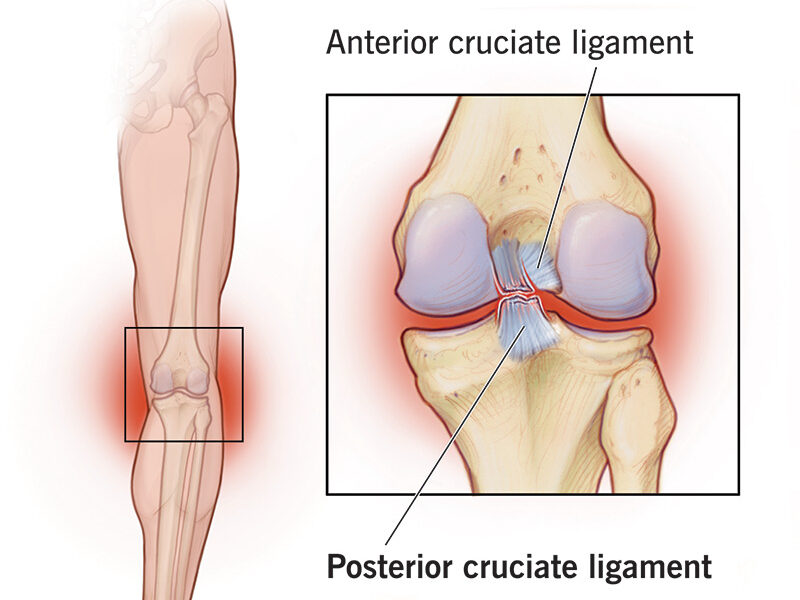
Ligament strain, tears, and ruptures
- Ligament tears often occur during exercises like squats, deadlifts, and leg press. For squats, ensure your knees are aligned with your toes to avoid ligament injuries to the knee. In deadlifts, always keep your back straight and engage your core to prevent injuries. With the leg press, overextending your knees can cause ligament damage; ensure your knees don’t extend past your toes to minimize risk.
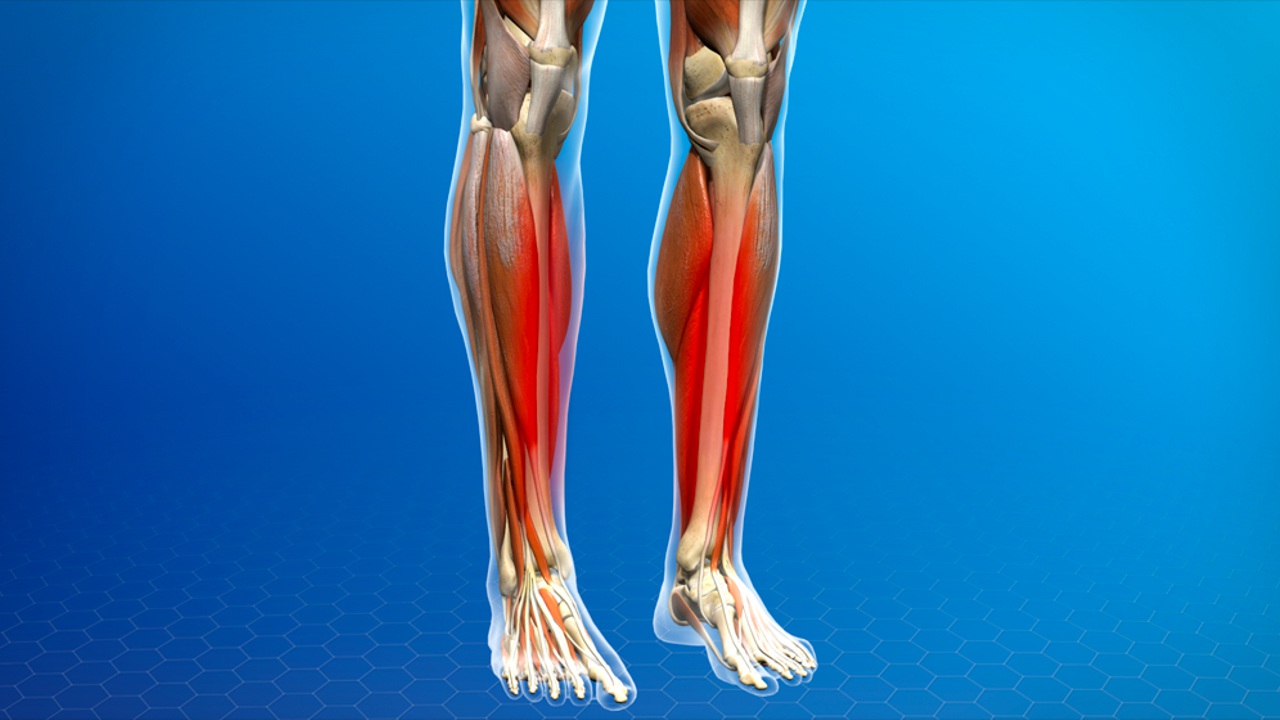
- Shin splints are pain in the front of your lower legs, often caused by suddenly increasing your activity level or changing your workout routine. In the gym, they can result from running on a treadmill or jumping on hard surfaces. To prevent shin splints, make sure to warm up properly and avoid excessive running on slopes.
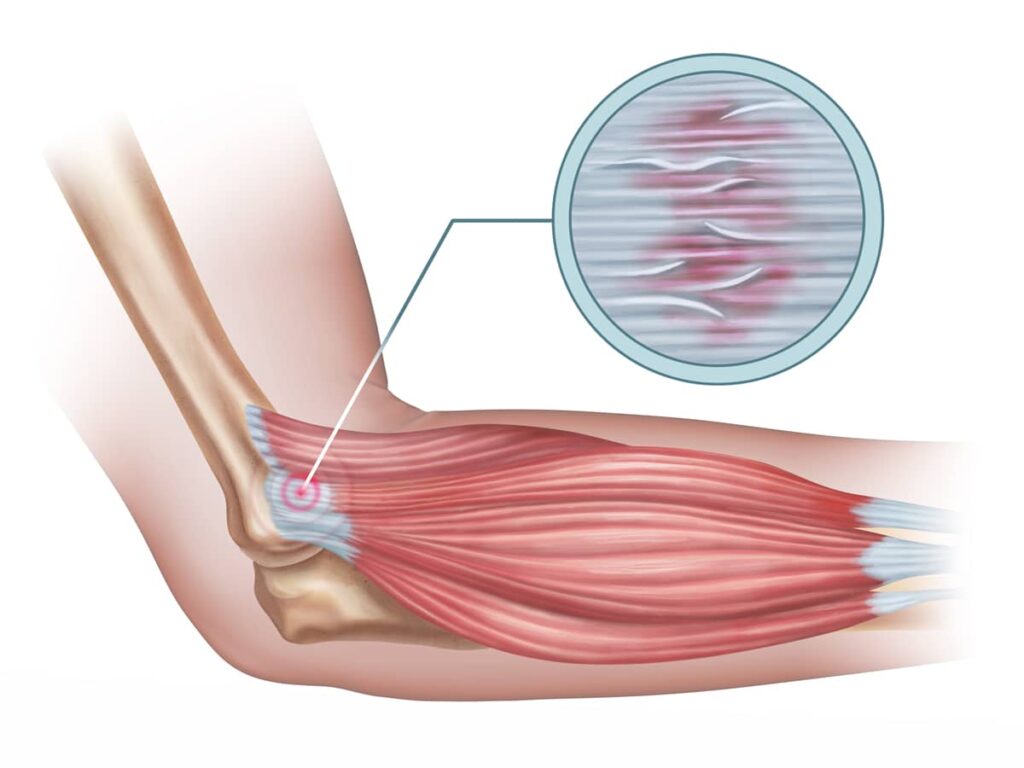
- Tendinitis occurs when tendons become inflamed, often from repetitive movements. This can lead to pain and stiffness—if you feel discomfort, stop exercising! Bench presses and overhead presses can strain your shoulders, while bicep curls and tricep extensions may lead to elbow pain. Always use proper form and avoid heavy weights.
To prevent these injuries, be cautious with heavy weights and machines. Set down free weights carefully to avoid foot injuries, and watch for weights on the floor to prevent tripping. Always read the instructions on machines for safety tips, and make sure your shoelaces are tied before using cardio equipment. Stay safe and enjoy your workout!
Warm Up and Cool-Down: The First Line of Defense Against Gym Injuries


Basic Cardio Warm-Ups
Cardio is any activity that gets your heart rate up and helps improve your overall fitness. It’s not just about burning calories; cardio boosts your mood, increases endurance, and strengthens your heart!
Popular Cardio Options:
- Brisk Walk: Start with a slow walk for 5-10 minutes before picking up the pace and increasing incline.
- Jumping Jacks: Stand with feet together, jump while spreading your legs and raising your arms overhead, then return to start.
- High Knees: Jog in place, driving your knees up toward your chest as high as possible.
- Skaters: Leap from side to side, landing on one foot and bringing the opposite leg behind you.
- Mountain Climbers: Start in a plank position and alternate bringing your knees toward your chest.
- Jump Rope: Skip rope for 1-2 minutes to elevate your heart rate and warm up your arms and shoulders.
The goal is to engage in your activity at a low intensity for a short time. You should feel your heart rate increase slightly and break a light sweat during your warm-up.
Dynamic Stretching
Unlike static stretches, which you hold, dynamic stretches keep you active and engaged. This approach prepares your body for exercise, enhances performance, and reduces injury risk!
Popular and Safe Dynamic Stretches:
- Walking Lunges: Step forward into a lunge, alternating legs as you walk.
- Leg Swings: Stand on one leg and swing the opposite leg forward and backward.
- Arm Circles: Extend your arms and make small circles, gradually increasing the size.
- Trunk Twists: Stand with your feet shoulder-width apart and gently twist your torso side to side.
- Side Shuffles: Shuffle sideways to warm up your legs and hips.
- Bodyweight Squats: Lower your body as if sitting back into a chair, keeping your chest up and knees over your toes.
Research shows that dynamic stretching can actually boost your performance when done before fitness activities.
Why Cooling Down Matters
- Cooling down is important for recovery and injury prevention. Don’t skip it—your body will thank you!
- It’s the time you take to slowly bring your heart rate and breathing back to normal after exercising.
- Aim for 10-15 Minutes at the end of your workout.
How to Cool Down
- Choose Easy Activities: Do something light that’s similar to your workout:
- Light jogging
- Gentle yoga
- A short walk
- Do Some Stretches: After 5-10 minutes of easy activity, hold each stretch for 30-60 seconds:
- Hamstring Stretch: Sit with one leg straight and reach for it.
- Calf Stretch: Step back into a lunge and press your back heel down.
- Arm Stretch: Pull one arm across your chest, then switch sides.
Enhance your posture and relieve tension with this simple wall posture stretch featured in this post with Physiotherapist Coulton Roe. Try it out before and after your workouts!
Follow our Instagram for more exercises like this!
⮜⮜⮜⮜⮜⮜⮜⮜⮜⮜⮜⮜⮜⮜⮜⮜⮜⮜⮜⮜⮜
Correcting Form and Technique: How to Lift Safely
1. Choose a weight that’s suitable for you
When choosing the right weight, aim for one set of 12 to 15 reps with a challenging but manageable weight, which can be as effective as three sets. Start with a weight you can lift comfortably for 12 to 15 reps to ensure proper form and build a solid foundation. As you get stronger, gradually increase the weight to continue challenging your muscles and promoting growth.
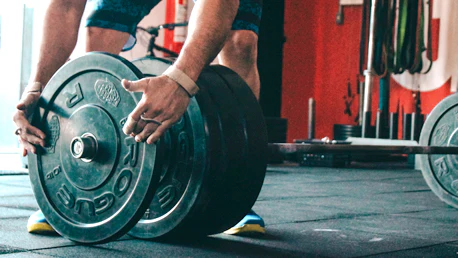
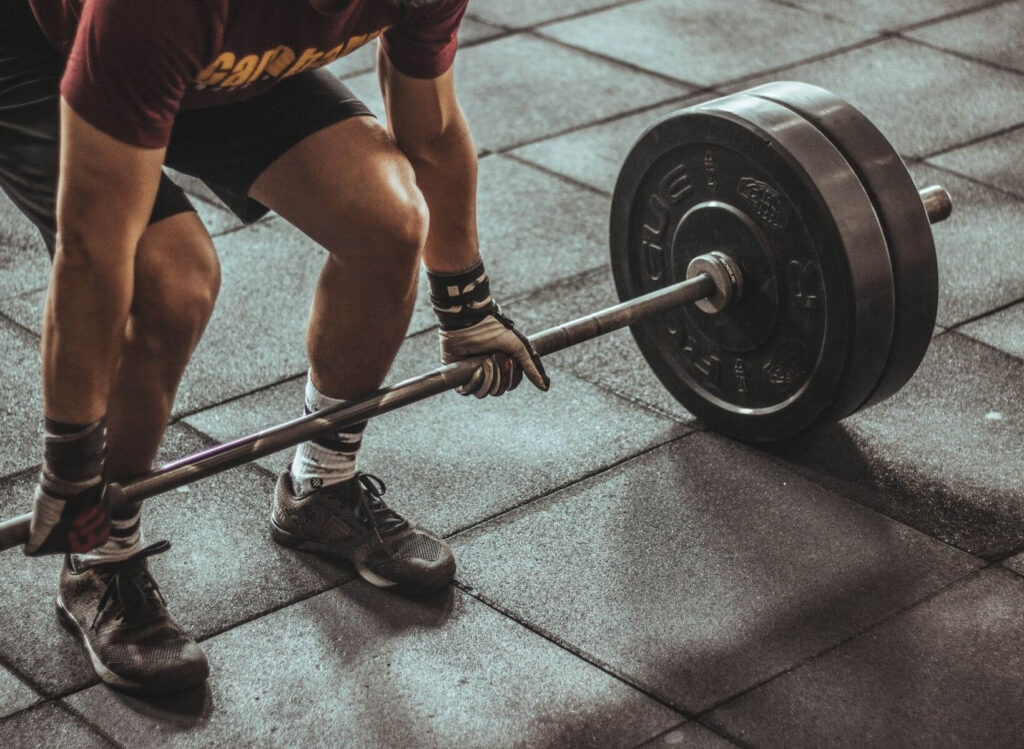
2. Master the proper technique for each exercise
When lifting weights, make sure to move your joints through their full range of motion. Good form not only helps you get better results but also lowers your risk of injury.
If you struggle to keep your form, try using a lighter weight or doing fewer repetitions. Remember, it’s also important to maintain proper form when you’re lifting and putting away weights on the racks
3. Achieving Muscle Balance
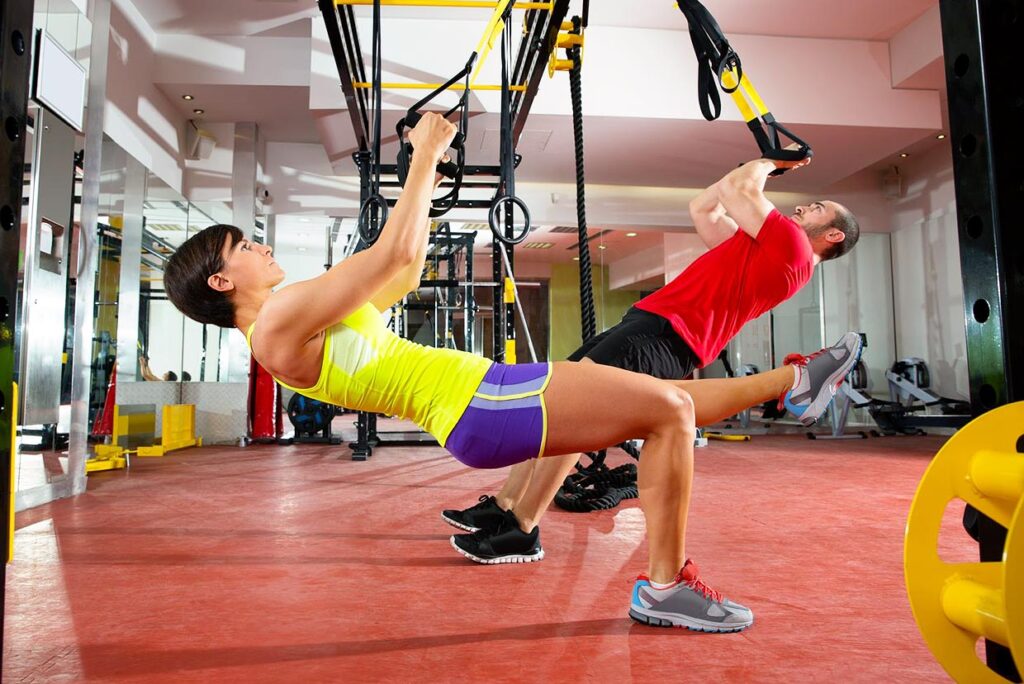
To achieve muscle balance, exercise all major muscle groups: abdomen, hips, legs, chest, back, shoulders, and arms. Be sure to work both opposing muscles, like the front and back of your arms, to keep everything even. As well as strengthening core supports your body. This balance helps prevent injuries and improves overall performance.

4. Remember to Breathe
It can be tempting to hold your breath while lifting weights, but it’s important not to do that. Instead, exhale as you lift the weight and inhale as you lower it.
Listen to your body, take breaks, and use proper form to avoid injuries.
Essential Steps to Injury Recovery and When to Seek Professional Help

Getting hurt at the gym can be a pain—literally! But don’t worry; here’s a simple guide to help you bounce back.
1. Prioritize Rest
The first step in injury recovery is to rest the affected area. Avoid any activities that cause pain or discomfort. Always listen to your body. Talk with a healthcare professional if you’re unsure about when to return to activity.

2. Ice Therapy: Reduce Swelling and Pain
Applying ice to your injury is one of the most effective ways to manage swelling and pain. For the best results:
- Apply an ice pack for 20 minutes every hour while awake.
- Wrap the ice pack in a towel to protect your skin This method is particularly useful within the first 48 hours post-injury.
3. Compression: Support and Reduce Swelling
Using an elastic bandage to compress the injured area can significantly help in reducing swelling. Here are some tips:
- Wrap the bandage snugly but not too tightly to ensure that blood flow stays normal.
- Reassess the wrap from time to time; if you experience increased pain or numbness, loosen the bandage.
4. Elevation: Assist in Recovery
Keeping the injured area elevated can promote blood flow and reduce swelling. Aim to elevate the injured part above heart level whenever possible. This simple step can facilitate faster healing.

5. Heat Therapy: After Initial Recovery
After the first 72 hours, transitioning to heat therapy can help relax and soothe muscles. Here’s how to do it safely:
- Use a heating pad or warm compress for short periods throughout the day.
- Always wrap the heating pad in a towel to prevent burns from direct contact with the skin.
Conclusion: Pain Management and Seek Professional Guidance
While these steps can effectively manage minor injuries, it’s essential to consult a healthcare professional if:
- Pain persists or worsens.
- You experience significant swelling or bruising.
- You have concerns about the severity of your injury.
Ice or Heat: What’s Your Go-To?
Not sure whether to grab an ice pack or a heating pad after your workout? You’re not alone!
Click to watch the best way to ease your pain with Arthur Szydlowski from SOS Physiotherapy!💪❄️🔥
⮞⮞⮞⮞⮞⮞⮞⮞⮞⮞⮞⮞⮞⮞⮞⮞⮞⮞⮞⮞⮞⮞⮞⮞⮞⮞⮞⮞⮞⮞⮞⮞
Ready to Take the Next Step?
Click below to schedule an appointment with our Physiotherapists today to receive treatment!
Frequently Asked Questions (FAQ)
How can I tell if my workout pain is an injury or just muscle soreness?
Muscle soreness, often feels like a dull ache, typically comes up 24-48 hours after a workout and improves with movement. In comparison to injury pain, which is usually sharper, lingers during activities, and may worsen rather than improve. If the pain is intense or affects your range of motion, it’s best to consider it an injury and to get it managed.
Are there specific exercises I should avoid to prevent injuries?
Exercises that involve heavy weights with poor form can greatly increase the risk of injury. High-impact movements, especially without proper conditioning, can also lead to issues. It’s essential to focus on mastering your form and gradually increase intensity and weights as you progress in your workout regimen to help prevent injuries.
How important is rest in preventing gym injuries?
Rest is key for muscle recovery and preventing overuse injuries. Without enough rest, your muscles can become fatigued and more prone to injury. Including regular rest days into your workout routine allows your body to heal, adapt, and overall perform better in your next sessions.
Can I still work out with a minor injury?
Yes, but it’s important to modify your routine. Focus on low-impact activities that don’t further irritate the injury, and consider targeting different muscle groups that are not affected. Always listen to your body! If the pain increases, it’s best to stop and reassess.
How can I stay motivated to stick to my workout routine while managing injury risks?
Set realistic goals, vary your type of workouts, and track your progress to stay motivated. Finding a workout buddy or joining a fitness class can also provide accountability and make exercising more enjoyable, even when you have to modify your routine!