
“Putting” Up With Pain: Treating The 5 Most Common Golf Injuries

Dealing with golf-related injuries can be as challenging as navigating a tough course, often requiring a combination of rest, proper technique, motivation to improve, and sometimes professional help to get back on track. Although it may seem like an injury-free and relaxing sport, golf demands a lot from your body and contributes to many specific injuries overtime. If you have been dealing with pain that effects your golf game, check out these common injuries and how YOU can treat them.
Why Are Golf Injuries So Common?

Most golf injuries occur due to repetitive swings with incorrect form. Injuries to the back, shoulder, and wrist are common in professional and amateur golfers alike, due to overuse. However, novice golfers are more likely to sustain injuries quicker because the overuse is paired with consistent incorrect form.
What Factors Contribute to Golf Injuries?
- Age
- Form/improper mechanics
- Frequency
- Previous injury
- Lack of mobility/strength
- Ignoring symptoms
Top 5 Most Common Golf Injuries
Are you curious as to what the Top Five Most Common Golf Injuries are? Well, you are not alone. So many golfers are experiencing pain and are in need of some at home fixes. Let’s dive into the most common golf injuries and some treatment options YOU can do at home for each one.
1. Low Back Pain
Low Back Pain (LBP) is the most common injury that golfers present with. LBP is an injury that occurs over time after excessive loading of the spine. Because of this, age and frequency are large contributors to LBP. This low back pain encompasses stiffness of the muscles, and prevention includes enhanced mobility of the back. Low Back Pain has many symptoms like decreased range of motion, muscle weakness, numbness/tingling that may refer to the legs, and localized pain.
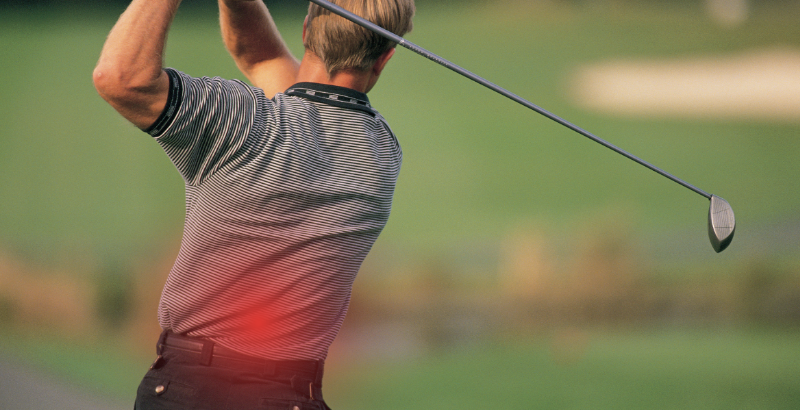
What can you do at home to mitigate your low back pain? SOS Physiotherapy recommends trying these exercises!
These exercises may seem easy because they do not use weights however, they are going to strengthen the low back muscles and supporting structures, which will tackle low back pain.
- Cat Camal
- Glute Bridge
- Bird Dog
- Pelvic Tilts
- Dead bugs
Watch this video to see these strengthening exercises being demonstrated! All you need is yourself and a comfy surface to lie on!
2. Golfer’s Elbow
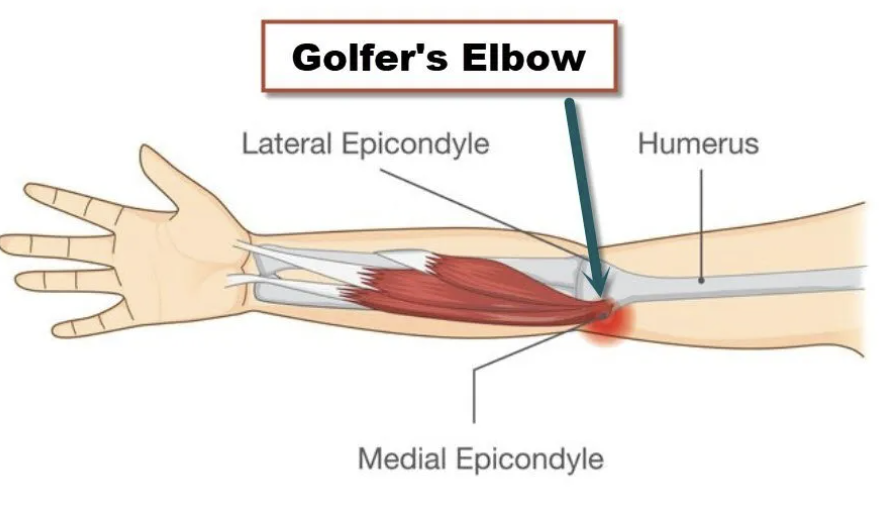
Is your elbow is troubling you and hurting your golf swing? You may have golfer’s elbow. Golfer’s elbow, also known as medial epicondylitis, develops with the overuse of the medial common flexor tendon, which is located on the inside of your elbow. Some symptoms of golfers elbow are pain on the inside elbow, stiffness, numbness, and tingling.
Does Golfer’s Elbow sound like something you might have? Try out these exercises to strengthen the muscles connecting around the elbow.
3. Shoulder Impingement
If your pain is at the shoulder, you could have shoulder impingement. Common signs of shoulder impingement is pain at the top of the backswing or pain at the end of the follow through. Shoulder impingement is when the top of the shoulder blade starts to impinge on the rotator cuff muscles when the arm is raised. This friction/impingement causes a lot of pain with certain arm movements. Shoulder impingement can be brought on by playing sports that raise the arm, like golf, but also by consistent lifting. If you have shoulder pain and your day job includes a lot of lifting or overhead work then you golf after work, your shoulder is taking on too much.
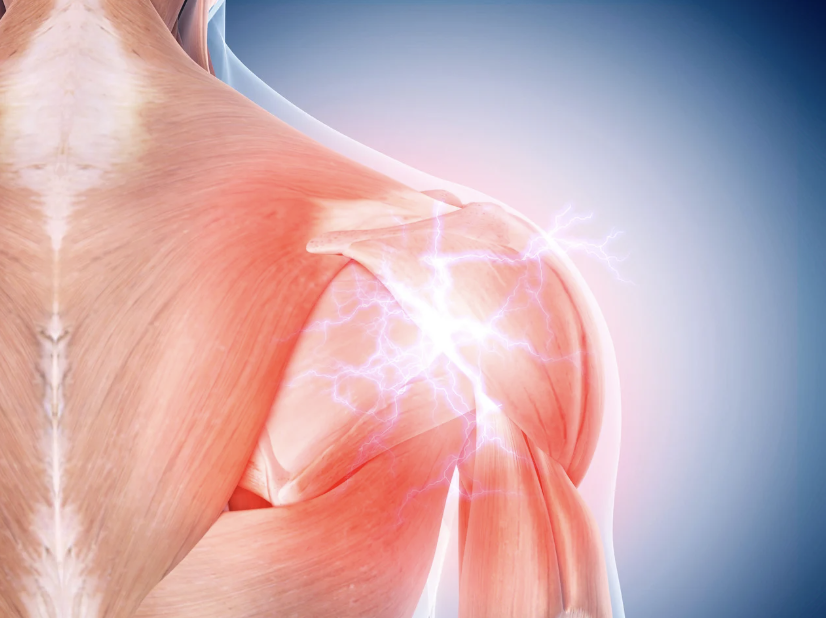
If your shoulder pain has been preventing you from playing golf, try out these exercises to strengthen the rotator cuff and surrounding muscles.
4. Plantar Fasciitis
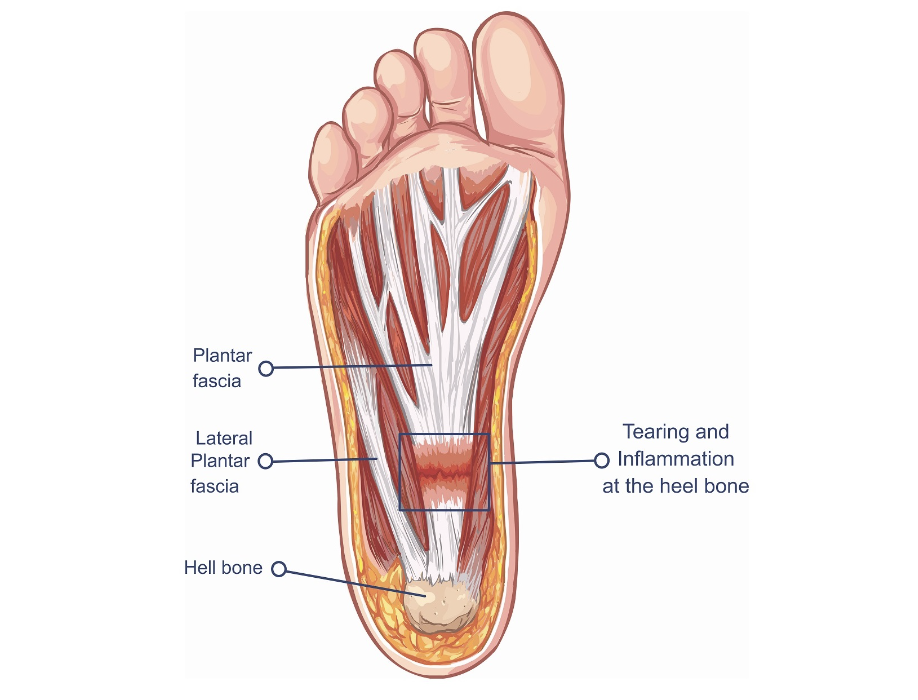
If you have been walking on the golf course and noticing heel pain, pain in the arch of the foot, stiffness in the foot, or swelling around the heel, you might have Plantar Fasciitis. Plantar Fasciitis is the inflammation of the plantar fascia, which connects from heel to toe, at the bottom of the foot. Usually the pain is at its worse after a long period of rest, perhaps in the morning. Plantar Fasciitis can occur if your swing or stance form is incorrect, if you wear shoes that do not support the arches of your feet, or if you partake in other foot aggravating activities such as running.
Try out these at home exercises and stretches to start rehabilitating, and releasing tension in, your foot.
5. Wrist Tendonitis
If you have been noticing restricted wrist movement, wrist swelling or redness, or pain with minor wrist movements then you may have wrist tendonitis. Many golfers develop sensitive wrists overtime, this more often than not is wrist tendonitis. Wrist tendonitis is the irritation of the tendons that aid in moving the wrist. This irritation is often due to overuse of the wrist. To go more in depth, check out this Wrist Tendonitis Blog by our partner clinic in Western Canada, West End Physiotherapy.

If any of those symptoms are effecting you and your golf swing try out these wrist stretches and exercises.
Non-Exercise Pain Prevention Methods
- Double strap golf bag carrying instead of single strap to reduce the load on your upper back and shoulders.
- Push carts instead of pulling. Push carts generally roll easier which lowers the force and strain to the upper body.
- Supportive Shoes can help you combat foot pain. Wear shoes with soft insoles that properly cushion your feet. Your shoes should also be strong and not twistable. Twistable as in if you hold the heel and toe and twist there should not be a major twist happening.
- Neutral lumbar spine during the golf swing, also known as maintaining good back posture throughout your swing. You can get someone put a golf club along your back to check your posture.
- Fitted clubs. Since fitted clubs are tailored you and your swing mechanics, they will reduce your risk of injury or muscle strain. Playing with clubs that are too long, too short, or too stiff can cause you to compensate and alter your swing in ways that can cause pain.
- Heat and ice. If you are noticing some swelling around a joint, or are just noticing a new injury place an ice pack on it for 15 minutes. Ice is known to help reduce swelling and inflammation. If you have been experiencing consistent muscle pain, place a heat pack on it for 15 minutes because heat relaxes muscles. You can also try a combination of heat and ice after a round of golf. Check out SOS Physiotherapy’s video, to the right, to find out whether ice or heat is right for you!
- Massage. Consider booking yourself a massage as your muscles may be super tense and are in need of a relaxing massage. Check out this Sports Maintenance Massage Blog if you want to learn more about massages here at SOS Physiotherapy!
Ready To Start Your Recovery Journey?
Another great way to get rid of pain effecting your golf game is coming to see a SOS Physiotherapist. Our physiotherapists can not only treat your pain, but they advise you on how to prevent the pain from coming back.
At SOS Physiotherapy, the physiotherapists will create a plan of care that is individualized for your specific needs and golf goals. If pain is effecting your golf game and you are losing motivation, do not hesitate to call the SOS closest to you and book an Initial Assessment with one of our fantastic clinicians!
Frequently Asked Questions
Although, recovery will take time, you can enhance your injury recovery by adhering to your physiotherapists exercises or at home stretches. Stretching and strengthening your muscles through at home exercise is a great way to see progress in your recovery. You should also understand and work within your limits. If you are in pain, and golf worsens that pain, understand your limit and taking a short break is a beneficial thing to do. Definitely do not give up golf for a long time, but resting when you are in pain will help you not aggravate your injury further.
NO! Here at SOS Physiotherapy we want to help you get back into the activities you love pain free, we do not want to limit you. Your Physiotherapist may suggest a break from the sport or a less frequent schedule, but they will provide you with at home exercises, stretches, and educational guidance to get you back on the course!
More often than not, golf pain is enhanced by other factors. For example a job consisting of working with heavy loads, history of osteoarthritis, playing other high demand sports, and previous injuries. Golf is usually not the sole culprit!