Sandals, Sun, and Sore Feet: The Summer Rise of Plantar Fasciitis
Is your heel pain crashing your summer plans?
There’s something magical about summer. The days are longer, the sun is shining, and suddenly, everyone’s out on long walks, beach days, runs, and simply enjoying the outdoors. But while you’re soaking up the sun, your feet might be silently protesting; and for many people, that shows up as plantar fasciitis! If you’ve ever felt that sharp, burning pain under your heel, you’re not alone! And oddly enough, summer might have something to do with it… for everyone. The good news? You don’t have to live with it. Let’s take a closer look at what plantar fasciitis actually is, why it tends to flare up more in the summer, and what you can do to ease the pain and get back on your feet.
Want to learn more about plantar fasciitis? Adam Hanton-Fong, one of our physiotherapists at our Northfield location, breaks it down in this quick video!
From Heel to Toe: Understanding Plantar Fasciitis
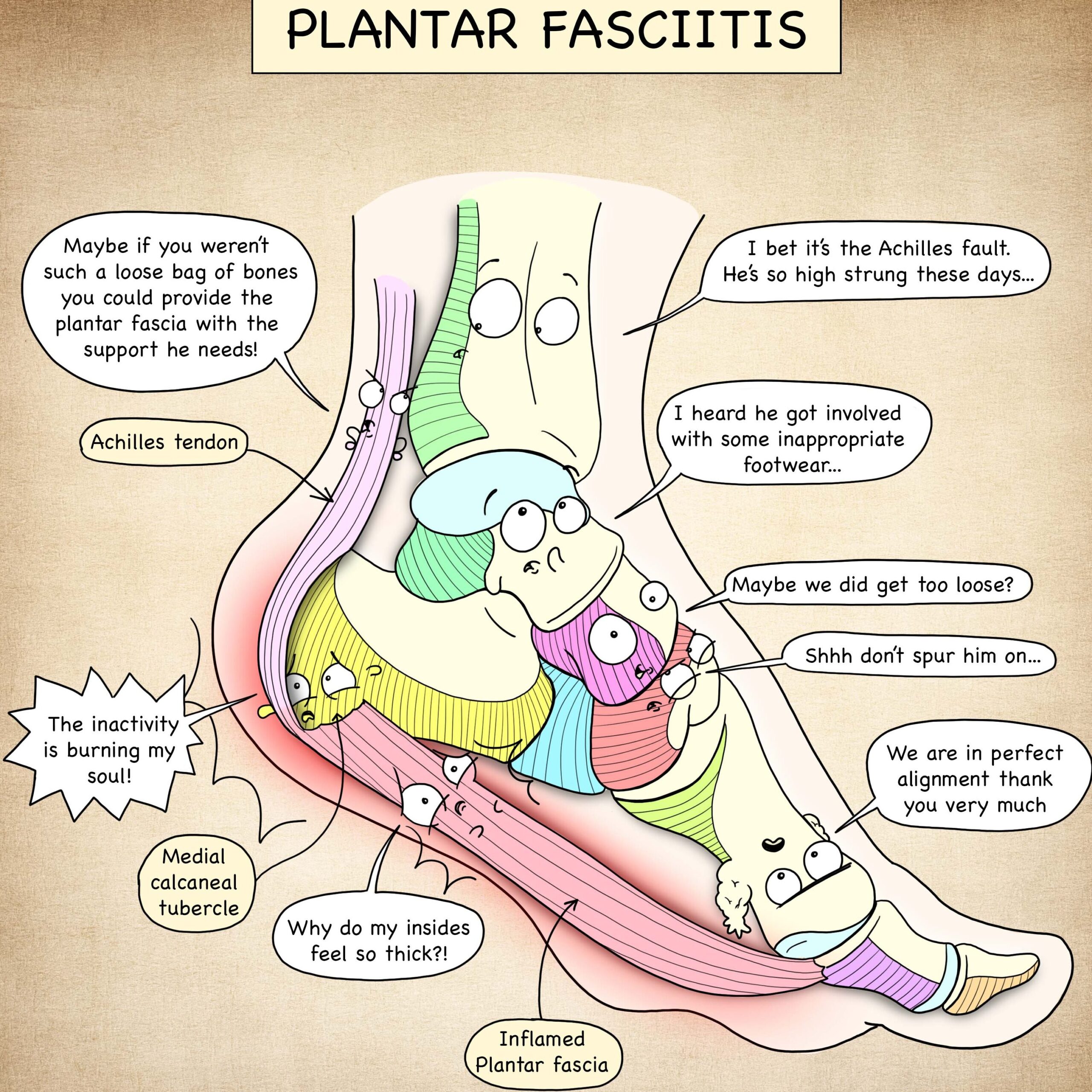
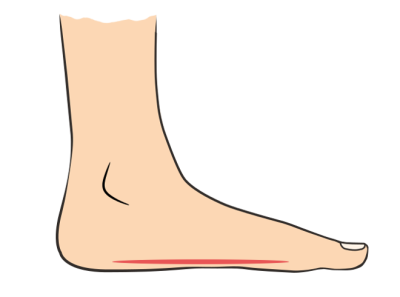
At the bottom of your foot, there’s a thick band of tissue called the plantar fascia. It stretches from your heel to your toes and works like a bowstring to help support the arch of your foot. Every time you walk, run, or stand, this tissue helps absorb shock and keep your steps smooth and steady. Since it handles so much pressure with each movement, especially during active days or long periods on your feet, it’s easy for the tissue to become irritated if it doesn’t get the support it needs.

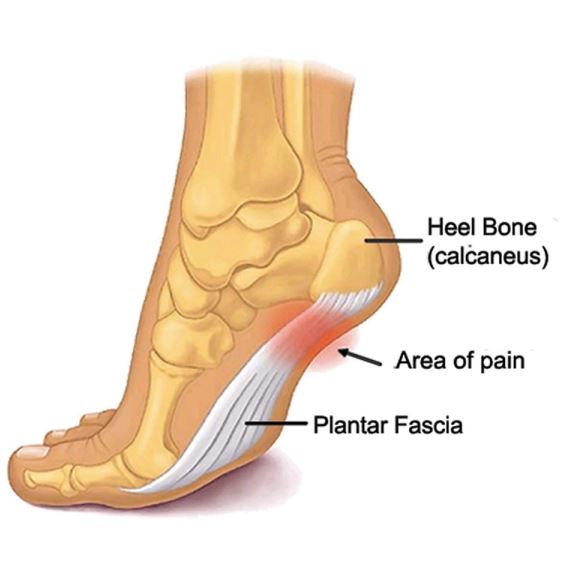
When the plantar fascia is overstretched or irritated, tiny tears can develop, which leads to inflammation and that sharp, stabbing pain near the heel. Because this tissue doesn’t get much blood flow, it takes longer to heal. It also connects with the heel bone, Achilles tendon, and calf muscles, so tightness in one spot can pull on the rest (almost like a tug-of-war from heel to arch). Without proper support or stretching, the fascia can stiffen, making it more vulnerable to ongoing irritation. Over time, even simple movements like standing or walking can become painful.
Why Does Plantar Fasciitis Happen?
Even though plantar fasciitis can come on without a clear trigger, certain factors make you more likely to develop it, especially if they lead to repeated stress on your feet.
1. Type of Exercise
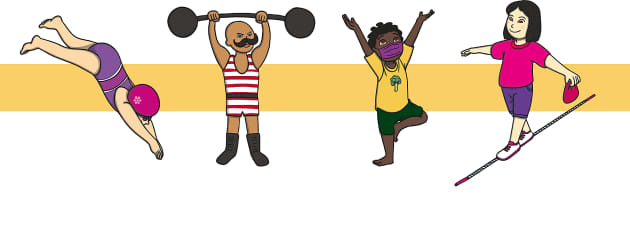
Sports or activities that involve a lot of jumping, running, or sudden changes in direction, like long-distance running, dancing, or aerobic workouts, can overstretch the fascia over time.
2. Foot Mechanics
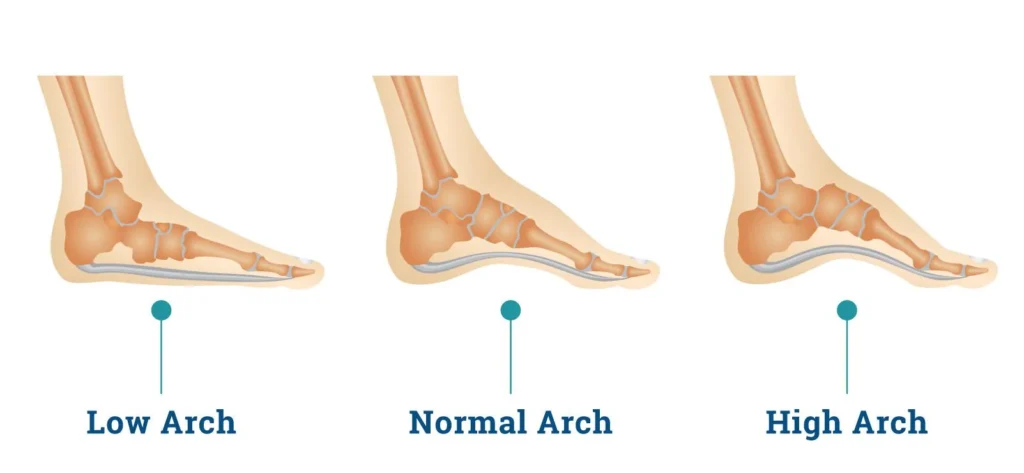
Flat feet, high arches, or even the way you walk can change how your weight is distributed and increase the load on your fascia. Some people also naturally roll their feet inward or outward more, which adds uneven pressure.
3. Age
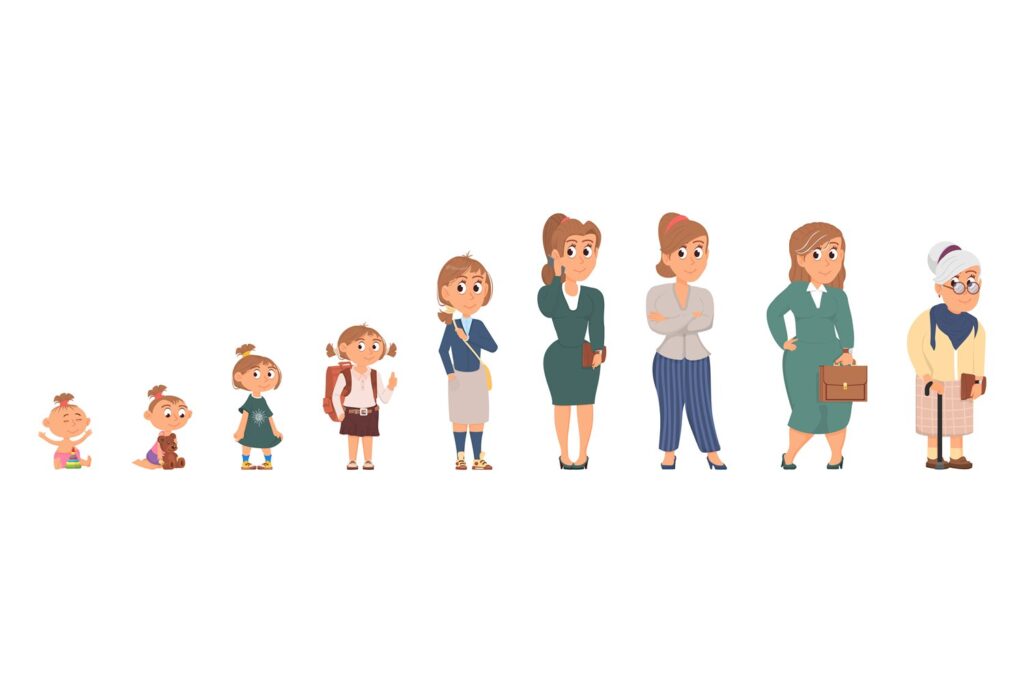
Plantar fasciitis can often be found in people between the ages of 40 and 60. As we get older, the fascia becomes less flexible, and the fat pad under the heel thins out, offering less natural cushioning.
4. Standing for Long Hours

If your job or daily routine keeps you on your feet, especially on hard surfaces, it puts constant stress on your plantar fascia. Factory workers, teachers, and retail workers are often at higher risk.
5. Wearing Unsupportive Footwear
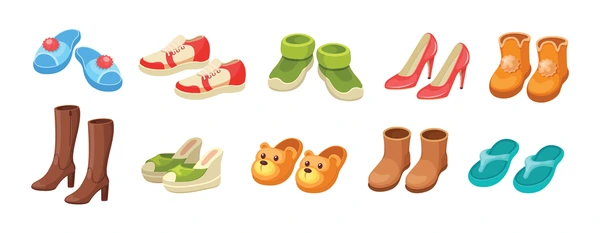
Shoes without proper arch support or cushioning (like high heels, worn-out sneakers, or thin flip-flops) make the fascia do more work than it should to stabilize your foot.
The Summer Spike: Why Your Feet Feel It More This Season
Summer is prime time for flare-ups, and there are two big reasons why: footwear and activity.
Footwear
Summer shoes may feel freeing, but your feet might be doing more work than you think.
- In colder months, structured shoes and boots provide arch support and heel cushioning.
- In summer, many switch to sandals, flip-flops, or walk barefoot on hard surfaces.
- These offer little to no support, making the plantar fascia work harder to stabilize the foot.
- The natural fat pad under your heel wears down with age, offering less shock absorption.
- Walking in thin, unsupportive shoes forces the fascia to absorb more impact.
- This can lead to inflammation, pain, and stiffness, especially after rest or first thing in the morning.
Activity
Summer often means more movement — sometimes more than your feet are ready for.

- Jumping into a new routine without a gradual build-up can overstress the tissue.
- Increased walking, hiking, running, or playing sports puts extra strain on the plantar fascia.
- The fascia doesn’t heal quickly, so tiny tears can accumulate fast.
- Even casual outings, like long walks at events or uneven terrain, can be enough to trigger pain if your feet aren’t supported or conditioned.
Top 5 Warning Signs: Is It Just Sore Feet or Plantar Fasciitis?
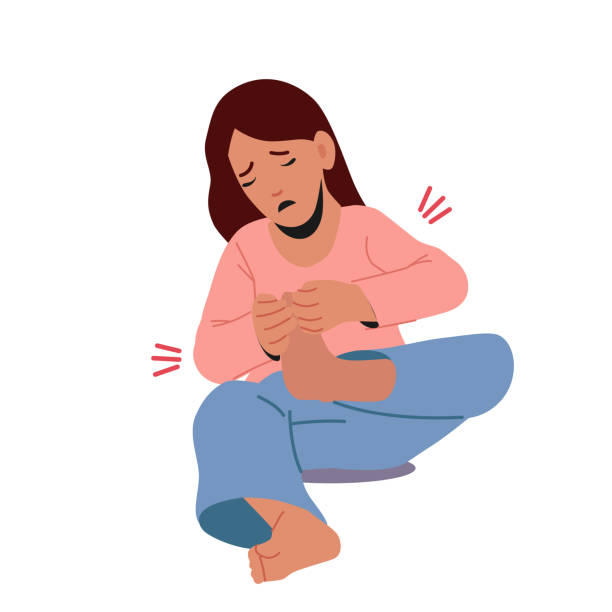
It’s normal for your feet to feel tired after a long day, but plantar fasciitis pain has a few telltale signs that set it apart from everyday soreness:
| Signs | What to Recognize |
| 1. Stabbing heel pain when you wake up | The first few steps out of bed feel sharp and intense, like something’s tugging at your heel. |
| 2. Pain that fades, then returns | It might ease up as you walk around but often comes back after sitting or resting for a while. |
| 3. Tenderness right where the heel meets the arch | The discomfort is usually in a very specific spot, not all over your foot. |
| 4. Tightness along the bottom of the foot | The fascia may feel stiff, especially after being off your feet for a bit. |
| 5. Sore calves or Achilles tension | Sometimes it shows up higher up the chain, your calf or Achilles might feel unusually tight. |
Stop It Before It Starts: Summer & Year-Round Prevention Tips
Small shifts in your routine can reduce strain on the plantar fascia and help prevent flare-ups before they start.
Choose shoes that support your foot mechanics
Summer sandals, slides, and flip-flops are completely flat, and are so cute! However, they offer little to no arch support or heel cushioning. This increases load on the plantar fascia, especially on hard surfaces. Look for footwear with a firm midsole, a supportive arch, and shock-absorbing heel padding. Wearing supportive footwear even indoors (on tile or hardwood) can protect the fascia from unnecessary strain.
Ease into new activity levels gradually
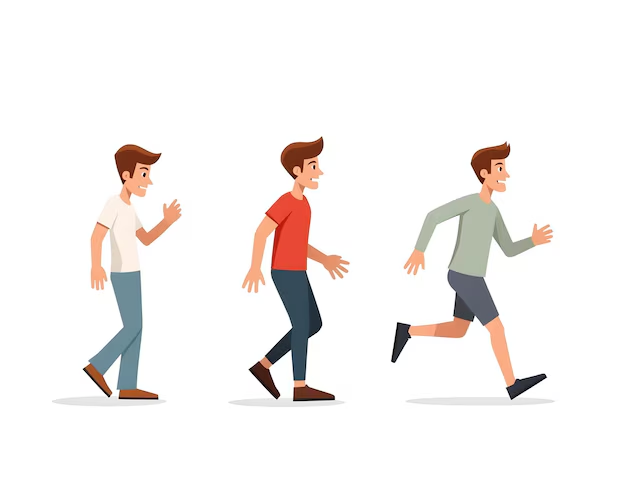
The plantar fascia doesn’t respond well to sudden increases in repetitive movement. Whether it’s long walks, hikes, travel days, or a new summer sport, ramping up too fast can cause micro tears that add up. Give your feet time to adapt by gradually increasing intensity and duration, especially if you’ve been less active over the winter.
Rotate your footwear to reduce repetitive stress
Wearing the same pair every day, even a good one, loads your foot in the same way over and over. Changing shoes shifts the contact points and alters the mechanical stress, helping prevent chronic overuse of the same fascia fibres.

Use simple recovery techniques to manage micro-inflammation
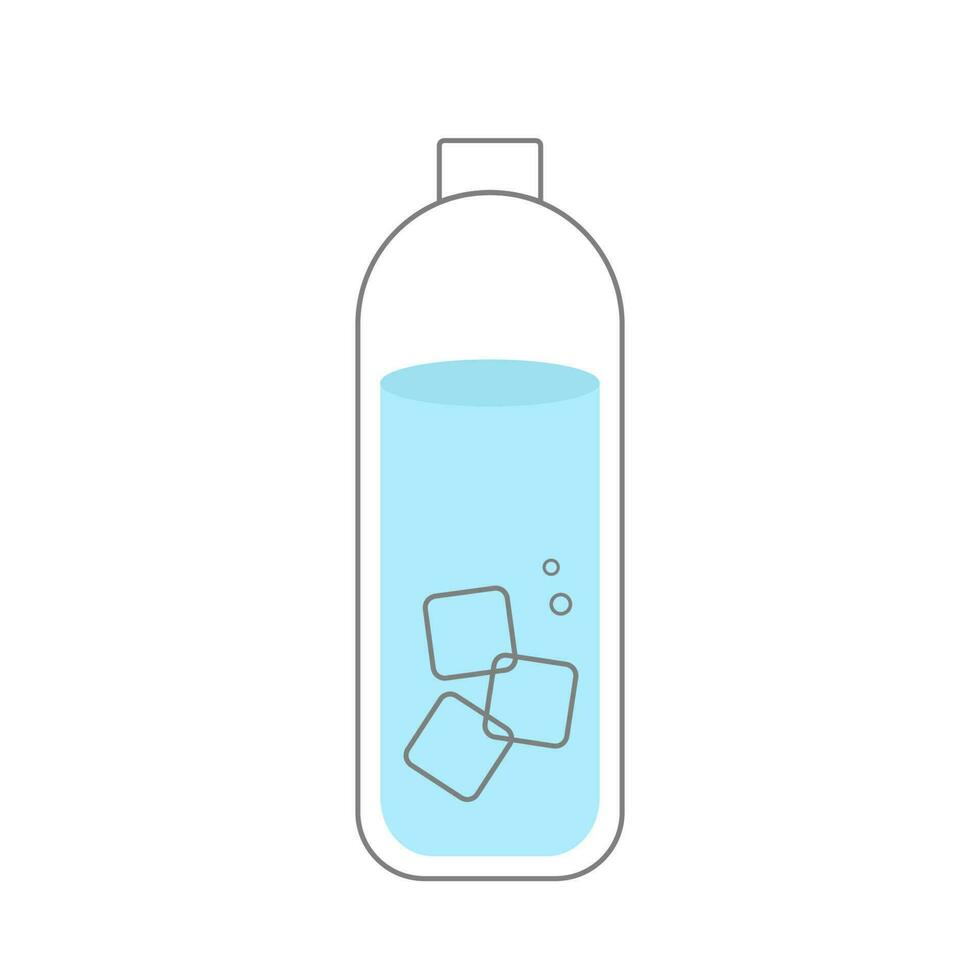
After a long or active day, gentle foot recovery can reduce swelling and muscle tension. Stretching the plantar fascia and calves helps maintain tissue flexibility. Rolling your foot over a frozen water bottle provides both myofascial release and cold therapy, which may reduce inflammation in irritated tissue.
Keep surrounding muscles mobile and balanced
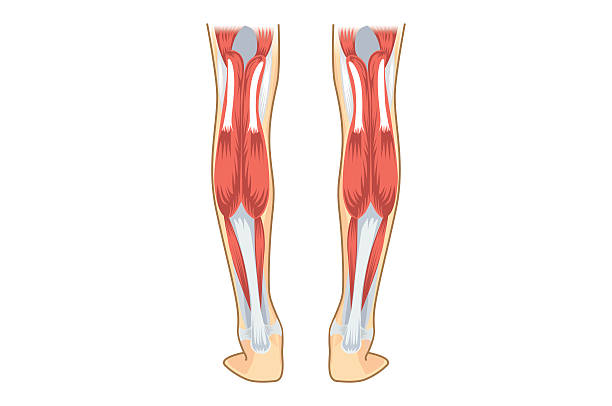
Tight calves and Achilles tendons can limit ankle mobility and increase downward pull on the plantar fascia. Daily stretching, even just for 5 minutes, helps offload tension and improves how forces are distributed through the foot when walking or exercising.
Summer Sole Savers: Easy Exercises Wherever You Are
At Work or Sitting at a Desk
Simple, discreet movements to keep your feet mobile and reduce stiffness during long sitting periods.
| Exercise | What It Works | Why It Helps |
|---|---|---|
| Towel Scrunches | Foot and arch muscles | Builds strength in foot stabilizers and arch support |
| Seated Calf Stretch | Calves, Achilles tendon | This stretch helps lengthen the lower leg and ease tension |
| Short Foot Exercise | Intrinsic foot muscles | Trains proper arch engagement for long-term support |
At Home with Basic Tools
These are great if you’re dealing with flare-ups or want to recover after a long day on your feet.
| Exercise | What It Works | Why It Helps |
|---|---|---|
| Frozen Water Bottle Roll | Fascia, heel | Combines massage and cold to calm inflammation and pain |
| Seated Foot Roll on Ball | Fascia, arch muscles | Increases blood flow and eases tension in fascia |
| Plantar Fascia Towel Stretch | Calves and Achilles tendon | Release tension and improve ankle mobility |
Click here to learn about Plantar Fascia Rolling!
With Equipment or at the Gym
Use these to build long-term strength and support to prevent recurrence.
| Exercise | What It Works | Why It Helps |
|---|---|---|
| Resistance Band Toe Flexion | Toe and arch muscles | Adds resistance to build strength in fascia-supporting structures |
| Heel Raises on Step | Calves, Achilles, foot muscles | Strengthens the entire support chain and prevents overload on fascia |
| Stair Calf Drops | Eccentric calves, Achilles | Helps remodel fascia and tendons, especially helpful for chronic cases |
| Calf Stretch (Wall or Step) | Calf, Achilles, fascia | Loosens tightness that contributes to pulling on the fascia |
Common Myths About Plantar Fasciitis
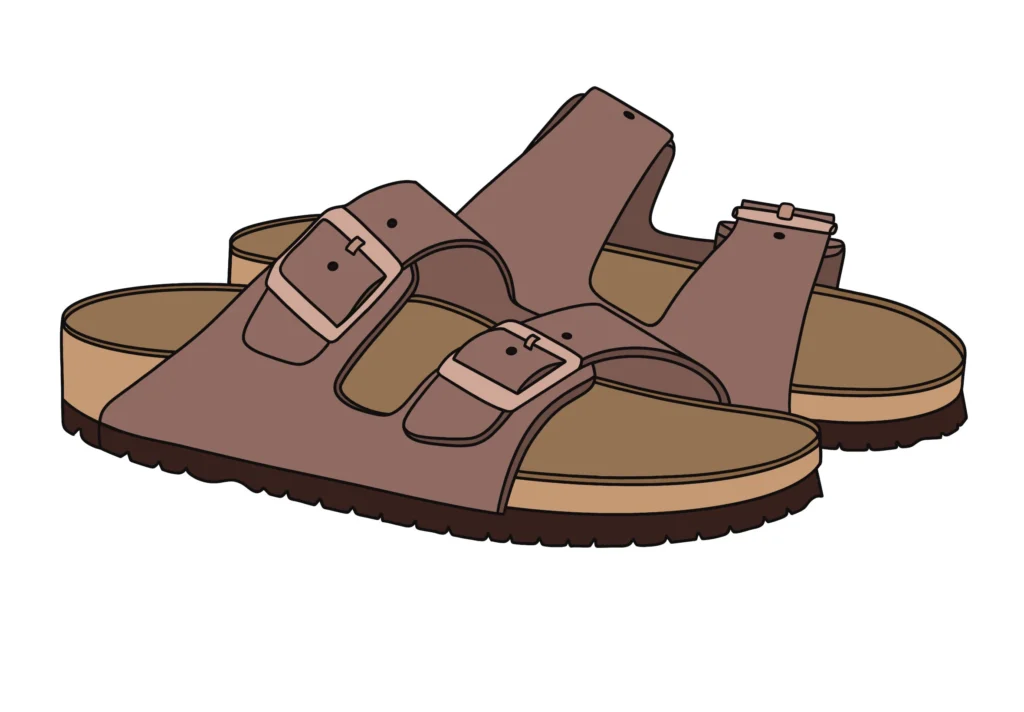
🔍 MYTH: Birkenstocks fix everything
💡 TRUTH: They’re a summer fave for a reason: decent arch support, firm soles, and an easy slip-on vibe. But not all feet are shaped the same. What feels great at the cottage might cause pain after long walks. If your foot doesn’t sit well in the footbed, you might need something more custom, or at least a backup pair with more cushioning.
🔍 MYTH: You’ll need surgery
💡 TRUTH: Most people actually bounce back without ever going near an operating room. Stretching, smart footwear, and easing into summer activities often do the trick. Save surgery for stubborn cases that don’t improve over months, not weeks.

🔍 MYTH: Plantar fasciitis is forever
💡 TRUTH: It might feel like it’s crashing your whole summer, but it won’t stick around for good. With the right support and recovery habits, most people feel major relief in a few weeks to months. Staying consistent is the real game-changer.

🔍 MYTH: Flat feet are the cause
💡 TRUTH: Having flat feet doesn’t mean you’re doomed. High arches and tight calves can cause just as much trouble. It’s more about how your foot handles pressure, especially on long walks, hikes, or patio strolls, than about arch height alone.
🔍 MYTH: You need to stop being active
💡 TRUTH: You don’t have to sit out the season. Just swap high-impact stuff for summer-friendly options like cycling, swimming, or beach stretching. Staying gently active can help your foot heal faster, and keep the rest of your body happy, too.
Treatment and How SOS Can Help!


Say Goodbye to Foot Pain
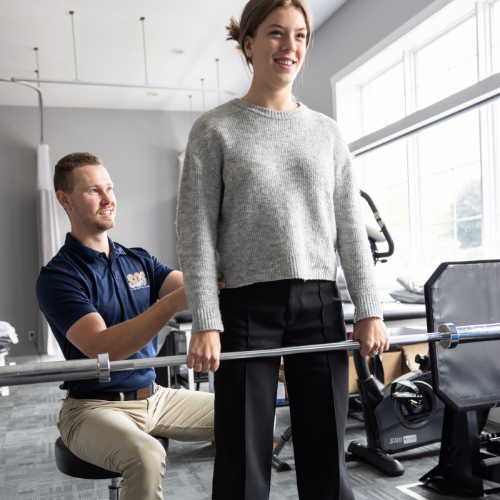
Stride confidently toward a healthier future in Kitchener, Waterloo, Elmira, and Guelph, ON with our facility’s exceptional physiotherapy services. Our accomplished physiotherapists use the most advanced treatments to alleviate foot pain and enhance your overall functionality.
Click here to explore other types of foot pain we can help with!
A Personalized Approach to Care
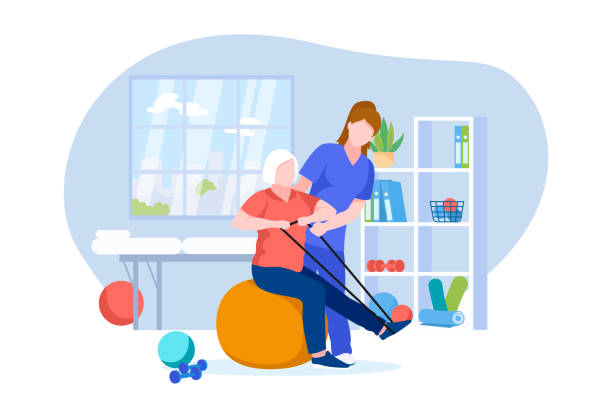
Our journey to relief begins with a comprehensive evaluation by our skilled therapists. First, they dive deep into your medical history, exploring past injuries, lifestyle habits, and any underlying health conditions that might be contributing to your foot pain.
Next comes a meticulous hands-on assessment. This evaluation allows therapists to assess the flexibility, strength, and movement of your foot and ankle, helping identify any limitations, imbalances, or areas of weakness. This information forms the foundation of a personalized treatment plan that targets the root of your pain and supports long-term recovery.
Treatment Options Tailored to You
We offer a variety of research-supported treatments for foot pain, including:
Therapeutic Exercises
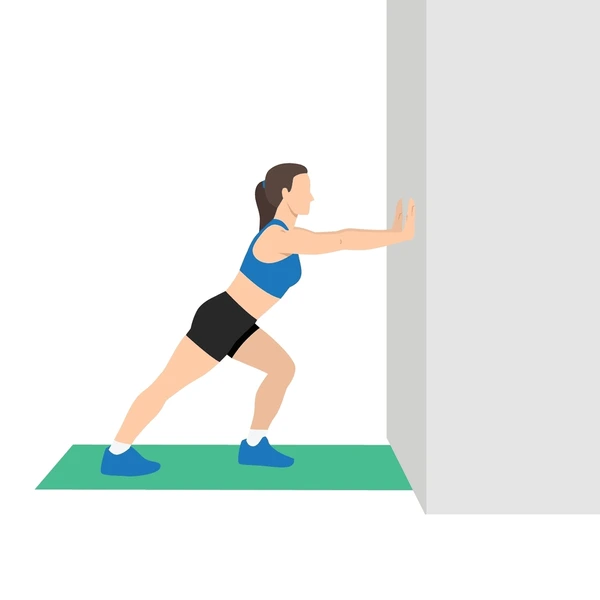
Customized exercises designed to enhance mobility, build strength, and restore function. These may include stretching, resistance work, and balance training tailored to your needs.
Manual Therapy

Hands-on techniques such as joint mobilizations, soft tissue release, and massage are used to improve mobility, reduce stiffness, and relieve pain in the affected area.
Taping
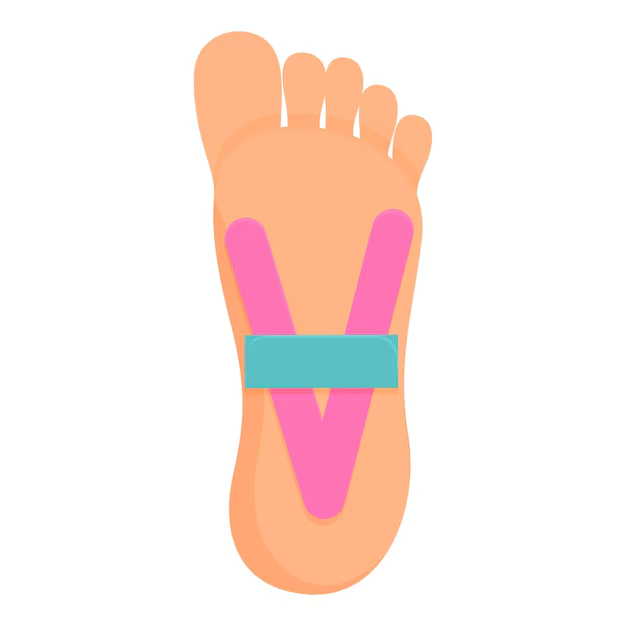
Taping may be used to provide extra support, reduce strain, and improve alignment during movement. It can help offload painful areas, guide proper motion, and support healing — especially during activity!
Gait Training

If pain or injury has changed the way you walk, gait retraining can help restore a more natural, efficient walking pattern while reducing strain on other areas.
Balance and Coordination Activities
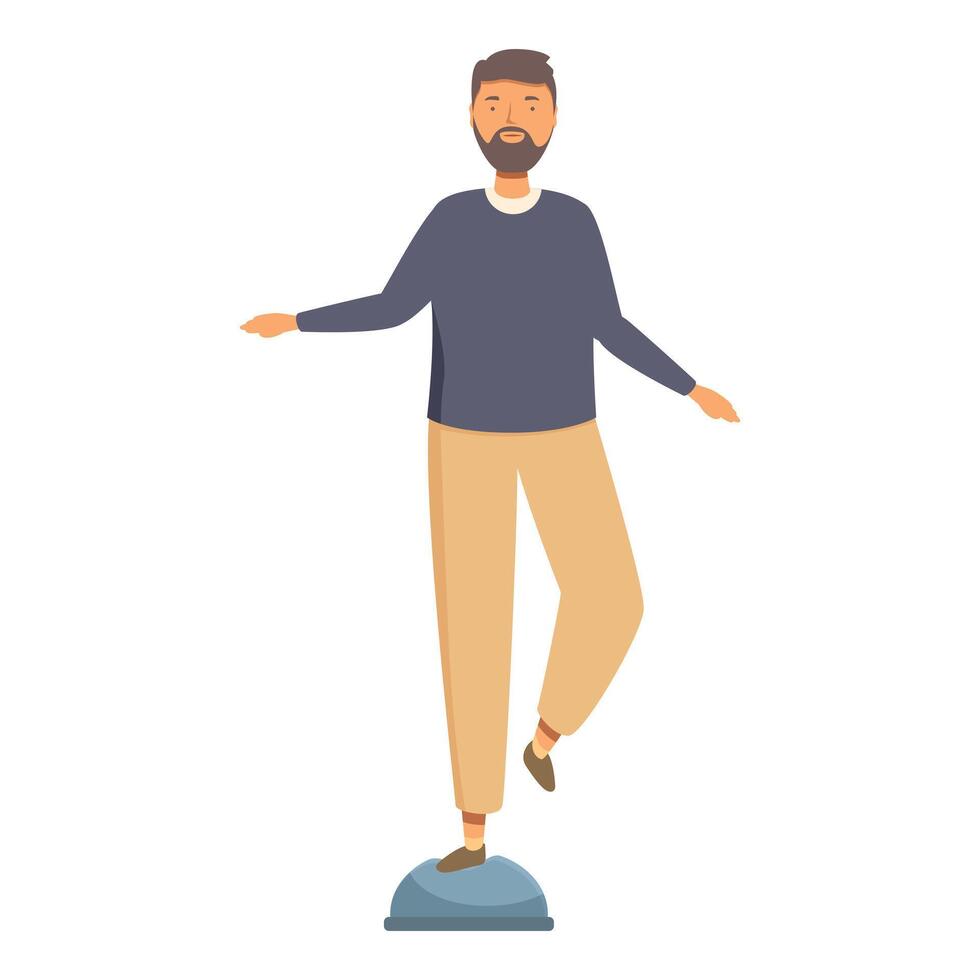
Exercises that target proprioception, the body’s sense of position and movement, to improve stability, prevent falls, and reduce the risk of re-injury.
Orthotics

Exercises that target proprioception, the body’s sense of position and movement, to improve stability, prevent falls, and reduce the risk of re-injury.
Click the logo above to learn more about custom foot orthotics and our trusted pedorthist partner!
Advanced Modalities to Support Recovery

To further reduce inflammation and promote healing, we may incorporate advanced tools such as ultrasound, interferential current (IFC), or laser therapy. These modalities work beneath the surface to ease pain, stimulate circulation, and accelerate tissue repair — all chosen based on what best supports your recovery.
Empowering You Through Education
Education is a crucial part of the physiotherapy process. Our team will guide you through strategies to manage pain, understand your condition, and prevent future injuries. We believe informed patients recover better, and stay better!
Step Into Summer Without the Setbacks
Whether you’re walking along the boardwalk, chasing kids at the park, or gearing up for your next hike, your feet carry you through the best parts of summer. That’s why it’s so important to catch the signs of plantar fasciitis early, that morning heel pain, tight arches, or stiffness after rest, and take them seriously. Ignoring it can turn a small irritation into a season-long setback. The good news? A few simple adjustments, better footwear, consistent stretching, and giving your feet time to recover, can help keep that pain from becoming a problem. Summer should feel light, not painful, so take care of your feet now and keep your steps strong, supported, and ready for whatever adventure comes next!