



By Chad Beacom, BKin (Hon), MPT, a Physiotherapist at S.O.S. Elmira
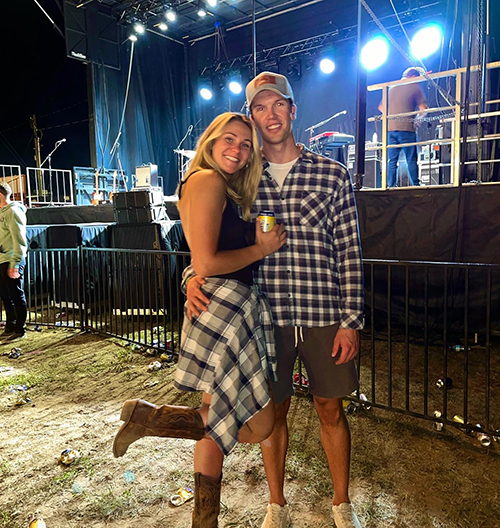
As summer 2024 draws to a close, I find myself reflecting on a season of warm weather and memorable experiences. This summer was a vibrant tale of music, outdoor adventures, and tranquil moments, each adding its own unique hue to the past few months.
One of the highlights of my summer was attending multiple concerts with friends. Music has always been a passion of mine, and this summer offered an incredible array of live performances that were simply unmissable. From country festivals to live rock shows, the performances all provided great memories. The energy of the crowd, the thrill of live music, and the camaraderie with friends created memories that I’ll cherish for years to come.
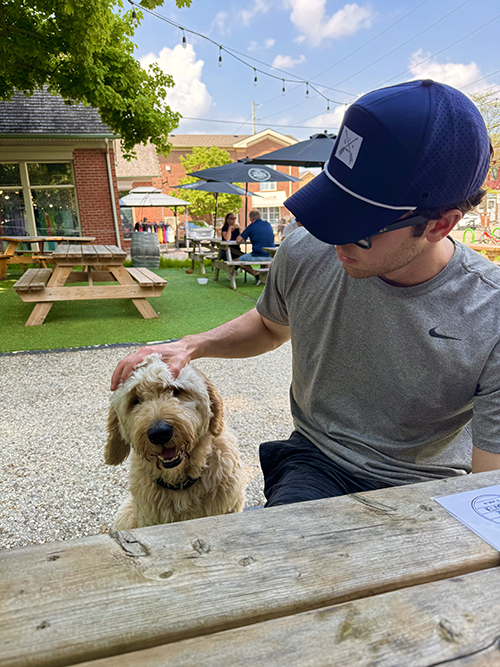
The beach also played a significant role in my summer adventures. Whether it was soaking up the sun, playing beach volleyball, or simply enjoying the sound of the waves, the days spent by the lake were rejuvenating. These beach days were a perfect blend of relaxation and fun, offering a much-needed escape from the hustle of daily life. It was also a great opportunity to teach our one- year-old puppy Larry to swim for the first time.
Another cherished aspect of my summer was hiking with our puppy. Watching him explore new trails and revel in the great outdoors was a joy to witness. Our hikes became a daily ritual, a blend of physical activity and bonding time. The fresh air, scenic views, and the puppy’s boundless enthusiasm made each hike a refreshing experience. These moments in nature were not only great for my physical health but also provided an awesome backdrop for reflection and relaxation.
Evenings at home offered their own form of solace. As the sun set, you could find us relaxing on the porch or in the backyard while watching the day transition into night which was a perfect way to unwind. The sunsets provided a gentle reminder of the day’s end and an opportunity to appreciate a quiet relaxing evening.
As summer wraps up, I’m filled with excitement for the fall season ahead. The transition from summer to fall always feels like a new chapter. The crisp air and colorful leaves of autumn are always invigorating, and I look forward to the changing landscape and cooler temperatures. Fall brings its own set of perks such as the start of a new hockey or football season. I’m eager to embrace the season, whether it’s through scenic hikes amidst vibrant fall leaves, attending sporting events, or simply enjoying the comforting warmth of home as the days grow shorter.

We’re growing!
Have You Heard The News?
Leading Edge Physiotherapy Centre is now becoming
part of our SOS Physiotherapy family!
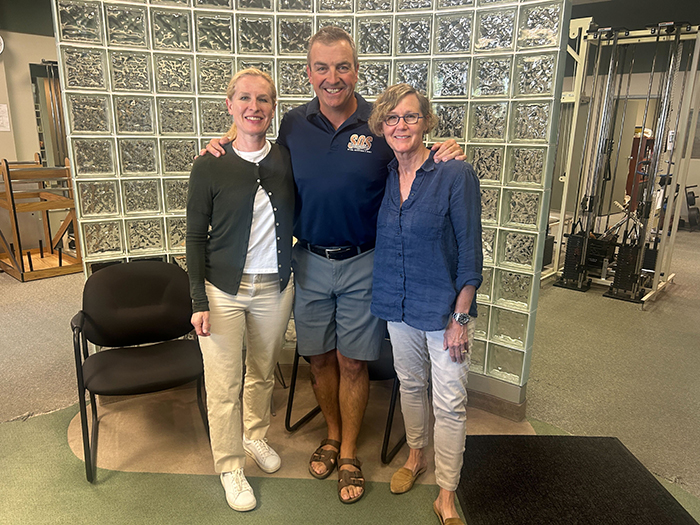
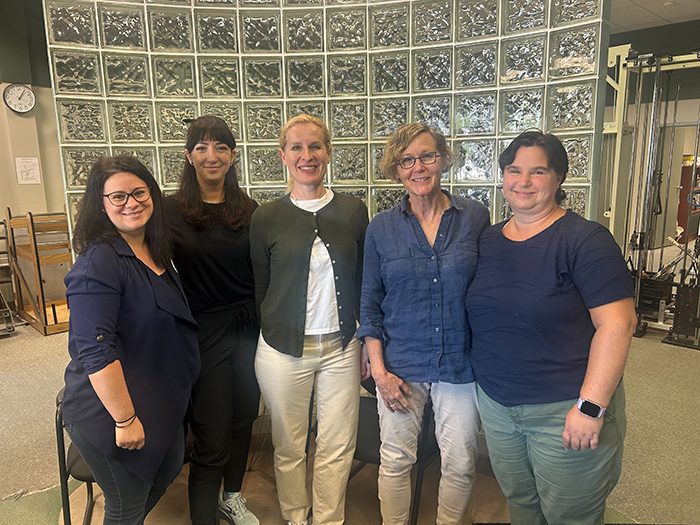
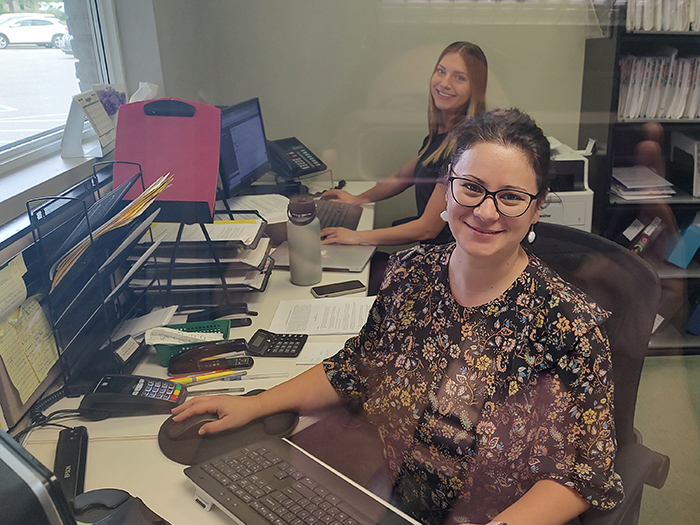
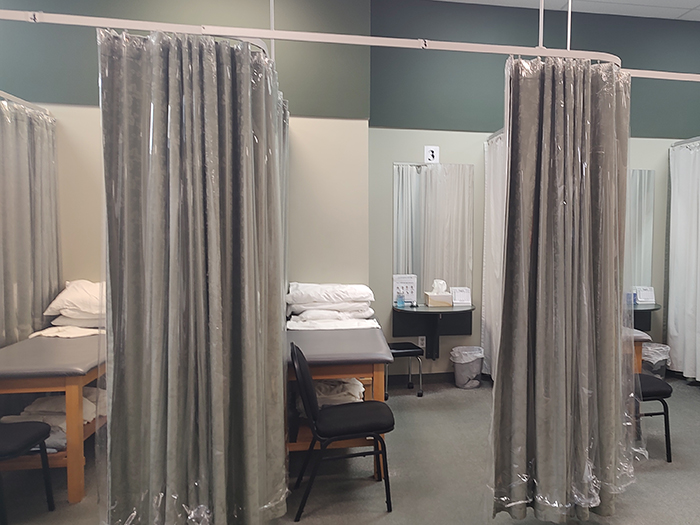
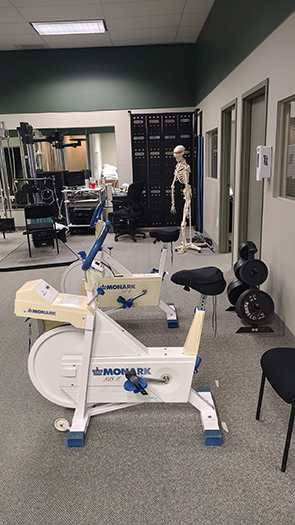
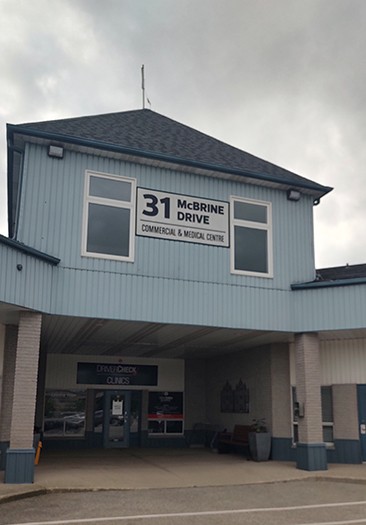
Leading Edge has been a pillar in South Kitchener for over 25 years and we believe that together we can serve this community even better. Plus, this location will be our primary hub for all MVA and WSIB/Workers’ Compensation patients! Are you or your family in need of these services? Perhaps you live closer to this area (near Williamsburg)? If so, call our new SOS Leading Edge clinic at 519-893-4363 or come stop by to say ‘Hi’. We are open and located at 31 McBrine Drive-Suite 7 Kitchener.



Back pain is a debilitating condition that millions of people experience each year. Depending on the severity, back pain can hinder your ability to sit, stand, walk or bend. It can also impede your time spent doing recreational activities and sports.
When it comes to back pain, symptoms can significantly vary. Patients may notice a slight nagging ache to crippling, shooting pains. Because of this, it is no secret that back pain can limit you from enjoying your daily life to the fullest. With guidance from your physiotherapist, you can find solutions to your pain and how to manage it, so you can get back to living the life you enjoy!
Call us today to set up an appointment with one of our highly trained therapists. At SOS Physiotherapy, you can overcome back pain and return to the lifestyle you enjoy!
Surprising facts about back pain
Back pain is an all-encompassing term used to describe many conditions that cause pain in the lower back. Sports-related injuries, poor posture, and car accidents are just a few of the many ways that someone can develop back pain.
Because back pain is so commonplace, there is a lot of information we have on the topic. Here are some interesting facts about back pain:
• Back pain is the single leading cause of disability worldwide, preventing people from working and engaging in everyday activities.
• Injections, surgery and strong medications usually aren’t a cure for back pain.
• Back pain is the third most common reason for visits to the doctor’s office, behind skin disorders and osteoarthritis/joint disorders.
• You can have back pain without damage or injury.
• More than two-thirds of back strains are caused by lifting and other exertions, such as pulling and pushing.
• Most cases of back pain are mechanical—meaning they are not caused by severe conditions, such as infection, fracture, or cancer.
Common risk factors associated with back pain
The exact cause of lower back pain is often challenging to identify. For some people, when left untreated, lower back pain can even lead to long-term pain.
Anyone can have back pain, but the most common risk factors for low back pain include:
Age: The first attack of low back pain typically occurs between 30 and 50, and back pain becomes more common with advancing age.
Activity level: Back pain is more common among people who are not physically fit. Sedentary people are more likely to suffer painful back injuries than people who are more physically active.
Excessive weight: Being overweight or obese leads to a greater likelihood of experiencing lower back pain.
Job-related factors: Having a job that requires heavy lifting, particularly twisting or vibrating the spine, can lead to back pain. Also, prolonged sitting, whether at a desk or driving a vehicle all day, contributes to the development of lower back pain.
Mental health: Anxiety and depression can influence your perception of pain and its severity. Chronic pain is also known to contribute to the development of such psychological factors.
Smoking: Smoking limits blood flow and oxygen, causing the discs to degenerate faster and contribute to the development of pain.
How physiotherapy helps back pain
Fortunately, back pain can be relieved with the help of physiotherapy. Physiotherapy can help improve your spine movement, posture, muscle stability, and strength, so your back can function in the pain-free way that it’s intended.
Your physiotherapist will also work with you to implement an individualized treatment plan based on your specific needs. The main stages of your program will focus on pain relief, which may include any combination of ice and heat therapies, manual therapy, posture improvement, targeted stretches, and exercises.
As you progress and improve, your physiotherapist will expand on your exercises and stretches by making them more intensive over time. This will help increase your overall strength and range of motion.
While consulting with a physiotherapist is the first step in finding relief, the most effective solution to back pain includes learning what to do and why. Armed with an understanding of your condition, we will teach you an exercise program that ensures you find lasting relief once and for all!

Call SOS Physiotherapy today to set up an appointment with one of our licensed therapists. Your physiotherapist will work with you to address and treat the underlying cause of your back pain.
No matter how severe it may be, we can help you find relief safely and comfortably, so you can get back to doing the activities you love!

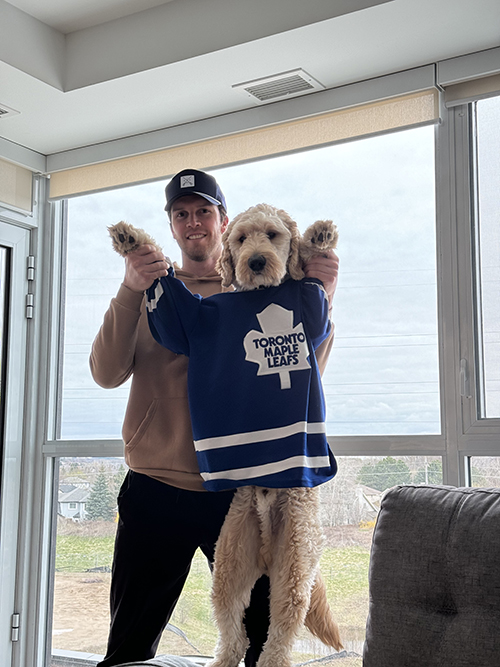
I’m Chad Beacom, a physiotherapist who has had the pleasure of working at SOS Elmira for the past two years. My journey here has been incredibly rewarding, and I’ve genuinely grown to love this community. From the moment I arrived, I was welcomed with open arms, and I’ve been thrilled to contribute to the health and well-being of the people here.
Being part of SOS Elmira has allowed me to do what I’m passionate about: helping individuals achieve their best physical health and live pain-free lives. The supportive and friendly atmosphere of the clinic has made my work even more fulfilling. I take great pride in seeing my patients make progress and improve their quality of life.
Outside of work, staying active is a huge part of who I am. I’m an avid hockey player, baseball enthusiast, and golf lover. These sports not only keep me fit but also enhance my understanding of physical movement and injury prevention, which I bring into my practice. Each sport offers its own set of challenges and rewards, and I find that my involvement in these activities keeps me both physically and mentally sharp.
I also cherish my daily walks with my partner and one-year-old puppy, Larry. These moments are a wonderful way for me to unwind and connect with nature after a busy day.
Overall, my time in Elmira has been an enriching experience, and I’m grateful for the opportunity to be part of such a wonderful community. I look forward to continuing my journey here, both professionally and personally, and contributing to the well-being of those around me.

Baked Falafel

• 1 15 oz can chickpeas drained and rinsed
• ½ cup white onion finely diced
• 1 cup fresh parsley lightly packed
• 1 cup fresh cilantro
• ½–1 tsp sea salt (to taste)
• ¼ tsp ground black pepper
• 1 tsp garlic powder
• 1 tsp coriander
• 2 tsp cumin
• 2 tsp baking powder
• 2 TBS ground flaxseed
• 1 TBS olive oil
Directions: Preheat oven to 400 degrees F. Add chickpeas, onions, parsley and cilantro to your food processor fitted with an “S” blade. Process until well combined (but still chunky). Add salt, pepper, garlic powder, coriander, cumin, baking powder and flaxseed. Process until well mixed and fine. (mixture will ball up in the processor). Grease a large baking sheet with oil (olive or canola). Roll about 2 TBS of falafel mixture into balls and then flatten into discs and place on baking sheet evenly spaced. Bake in preheated oven for 20 minutes, flip and bake on second side for 10-15 minutes. Remove from oven and serve with tzatziki sauce, in a pita, or on a salad!
Source: https://joyfoodsunshine.com/baked-falafel/#recipe
Commonly Forgotten Muscles
Posterior Chain Shoulder Bias
Training the posterior chain and shoulder muscles is crucial for balanced strength, stability, and injury prevention. The posterior chain plays a key role in maintaining proper posture, enhancing athletic performance, and supporting the spine. Strong shoulder muscles, particularly those in the posterior like the rear deltoids and rotator cuff, help stabilize the shoulder joint, improve overhead strength, and prevent common shoulder injuries. Focusing on these areas ensures a well-rounded physique, reduces the risk of imbalances, and supports overall functional movement and health. There are multiple great exercises that can help train the posterior chain muscles of the shoulder and thorax. Below I have outlined one of my favorites that I love to provide clients to ensure they keep these muscles strong and activated.
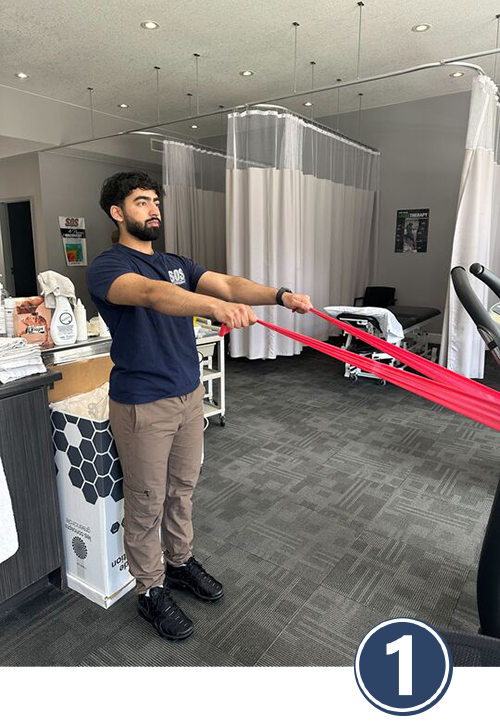
Start in standing with a band anchored in front of your chest, arm extended in front holding the band.
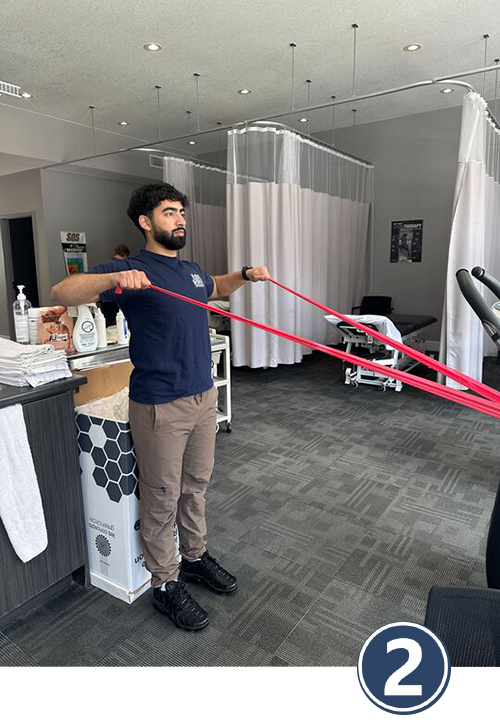
Keeping your arm parallel to the floor and your shoulder blade pulled back and down, perform a row to bring your elbow in line with your body.
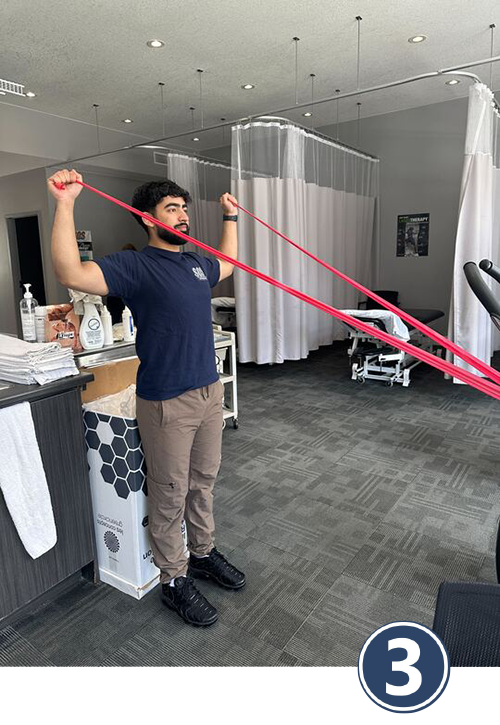
At the end range of the row, externally rotate the arm so that the forearm is now perpendicular to the ground.
Perform 3 sets of 10 repetitions.
Never do an exercise that causes you pain
Let’s Get You Better ASAP!
Don’t let pain dictate your life. Take the first step towards reclaiming your mobility and well-being with our expert support. Start your journey to a healthier you today.