
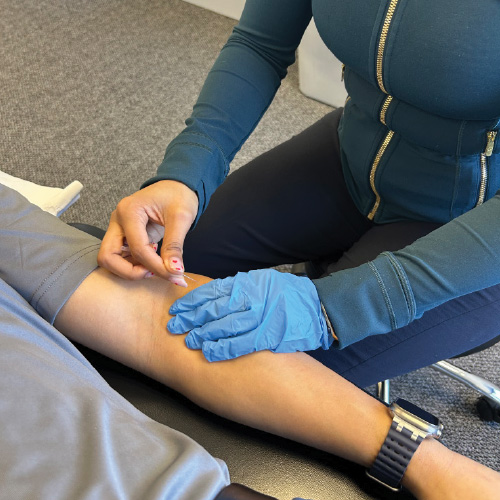
Advancing Clinical Practice: My Introduction to Acupuncture and Dry Needling
By: Mehakpreet Sandhu (Mehak), Physiotherapy Resident at Belmont SOS Physiotherapy
Hello everyone! My name is Mehakpreet Sandhu (Mehak), and I am a Physiotherapy Resident at Belmont SOS Physiotherapy. In this newsletter, I wanted to share my experience of completing the APTEI Acupuncture and Dry Needling Introduction Course, as well as reflect on the importance of continued education in clinical practice. As a new graduate and resident clinician, I strongly believe that ongoing learning is essential to expand technical skills, but also to enhance clinical reasoning and confidence in delivering safe, evidence-informed care.
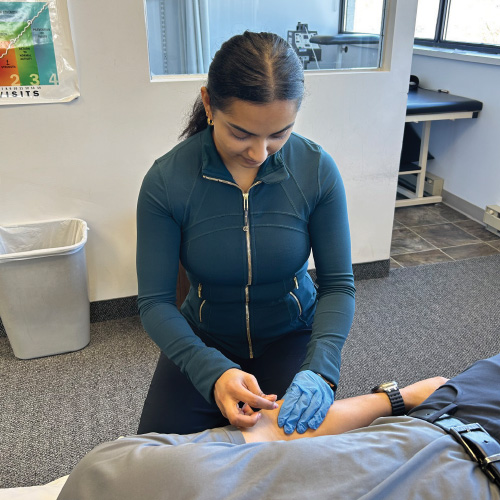
The APTEI course is a two-day program attended by a range of healthcare professionals, including physiotherapists, chiropractors, and massage therapists. Over the weekend, we covered essential safety considerations, contraindications, proper handling and hygiene procedures, and foundational techniques for both acupuncture and dry needling. A key component of the course was understanding the differences between the two approaches. While acupuncture is rooted in traditional Chinese medicine principles and targets specific meridian points to influence systemic processes such as stress modulation and inflammation, dry needling is grounded in Western anatomical and neurophysiological frameworks, focusing primarily on myofascial trigger points and muscular dysfunction.
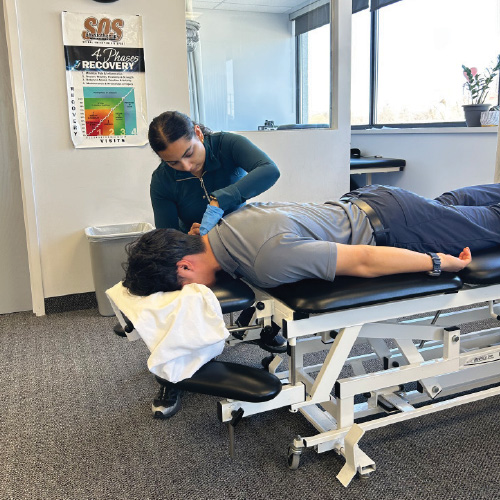
In addition to technical skills, the course emphasized transferable competencies such as interprofessional collaboration and communication. I had the opportunity to practice needling techniques alongside other healthcare practitioners, which provided a valuable perspective on how different disciplines approach soft tissue dysfunction. This collaborative learning environment reinforced the importance of shared knowledge and patient-centered care.
Throughout the course, we learned several key acupuncture points that can assist not only with relieving muscle tension but also with supporting stress regulation and reducing inflammation. The dry needling component focused on both large and small muscle groups, including the deltoids, trapezius, gluteals, and gastrocnemius.
Since completing the course, I have been integrating needling into my clinical practice at Belmont. Moreover, I have been practicing my skills with senior clinicians. This has been an invaluable part of my learning process. Discussing the evidence behind various techniques, refining my approach, and being exposed to different muscles has deepened my understanding far beyond the introductory weekend. Mentorship has allowed me to continue building competence in a supportive and structured way.
Many patients have responded positively to dry needling as part of their rehabilitation plan. While it can feel intimidating initially, taking time to educate patients about the potential benefits such as pain modulation, improved muscle activation, and enhanced recovery often helps ease concerns and improve comfort with the treatment. As I continue my journey as a PT Resident, I am committed to ongoing mentorship and professional development. Continued education not only strengthens individual clinical skills, but also contributes to the growth and collaborative learning culture within our clinic.
The Connection Between Hip and Knee Pain
Did you know that for a lot of people, their knee pain is not actually due to a problem with the knee, but one with the hip? At SOS Physiotherapy, we frequently observe that a problem originating in the hip can be first felt as knee pain and vice versa.
You might wonder how this is possible. The answer lies in what’s known as the kinetic chain, where the hip and knee joints work together. The interconnection means that an imbalance or dysfunction in one joint can lead to compensation and pain in the other. The good news is our therapists can help you figure out the source of your pain and, more importantly, guide you back to health.
To move towards a healthier, active life, we recommend you consult with one of our physiotherapists as soon as possible!
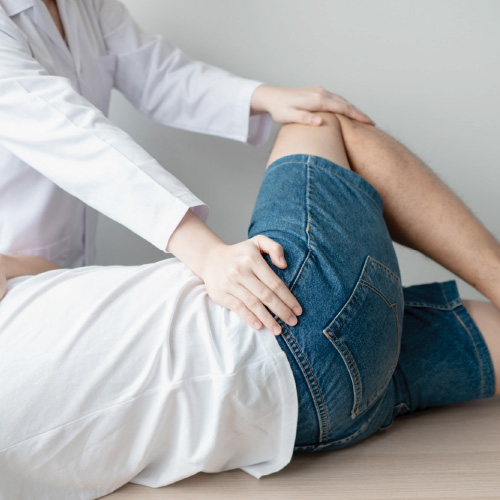
Your Guide to Recognizing the Signs and Symptoms of Hip and Knee Pain
At SOS Physiotherapy, we believe in a holistic approach to healing. As musculoskeletal experts, we are trained to pinpoint the root cause of your condition, differentiate between hip and knee pain, and develop a plan that addresses the whole person, not just the symptom.
The Telltale Signs of Hip Pain
- Localized Discomfort and Stiffness: Hip pain generally starts as a localized discomfort in the groin area, often accompanied by stiffness restricting the range of motion. As the severity worsens, this pain can sometimes extend to the thigh and even the knee.
- Morning Stiffness: One of the most commonly reported symptoms is morning stiffness, which typically eases as the day progresses.
- Difficulty in Performing Daily Activities: Individuals with hip pain often find it challenging to bend over to tie shoes or pick up objects from the floor. This pain can intensify during movements like getting up from a seated position or walking uphill.
Classic Indicators of Knee Pain
- Localized Pain and Swelling: A primary indicator of knee issues is localized pain, often accompanied by swelling. This can be especially noticeable after prolonged periods of activity.
- Stiffness and Reduced Range of Motion: Another hallmark of knee pain is stiffness, which often restricts the knee’s range of motion.
- Popping or Crunching Noises: Experiencing popping or crunching noises during knee movement is a sign that shouldn’t be ignored, as these sounds often signify underlying knee issues.
- Difficulty in Bearing Weight: A large number of individuals with knee pain report difficulty bearing weight on the affected knee. This is often described as a feeling of weakness or instability, making activities such as climbing stairs or even simple walking difficult.
While interconnected, the hip and knee are distinct structures with unique roles in our body’s movement and different responsibilities. Understanding these differences is vital in diagnosing and treating pain effectively. This is where the expertise of our physiotherapists can help!
Navigating the Path to Recovery with SOS Physiotherapy
At SOS Physiotherapy, our physiotherapists will conduct a comprehensive evaluation and distinguish whether you’re dealing with an issue in your hip, knee, or both.
After completing the evaluation, we’ll design a program focusing on the actionable steps you can take to ensure long-term relief and prevention of future injuries, including the following:
Tailored Therapeutic Exercises:
Our therapists will provide you with stretching and strengthening exercises to help restore your mobility and function. For example, eccentric training focuses on elongating a muscle under tension, proving particularly effective in strengthening muscles and improving mobility.
Neuromuscular Re-education:
This involves using exercises and manual techniques to restore normal muscle function and movement patterns. These techniques are especially effective in reducing pain and enhancing function, especially in individuals with hip and knee pain.
Our therapists go beyond the surface, digging deep into your symptoms to identify the underlying issues and determine the true origin of your pain, whether the hip, the knee, or both. Our goal is to build a program that helps you get back to living your best life!

Follow These Simple Steps to a Pain-Free Life
Are you ready to embrace a lifestyle that promises better mobility and less pain? At SOS Physiotherapy, we are here to guide you every step of the way, fostering a future where you feel better, move better, and live better!
Call today to schedule an appointment!
In the Community: Hip and Knee Workshop
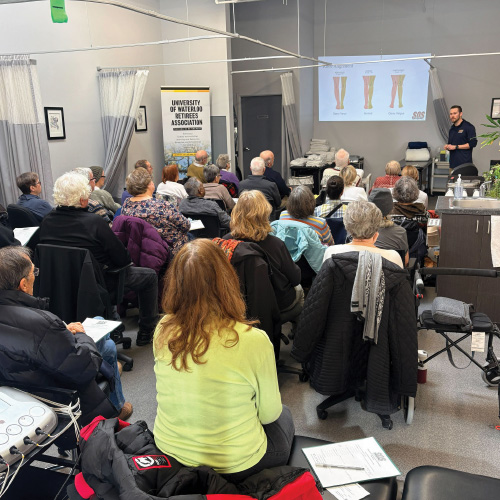
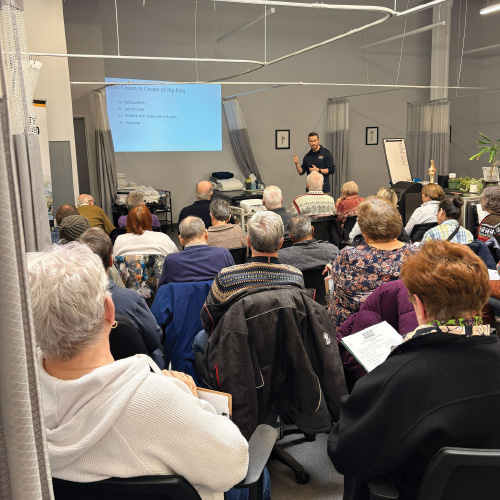
On February 28th, our SOS team at Northfield hosted a Hip & Knee Workshop for the University of Waterloo Retirees Association, led by Physiotherapists Jon and Ryan. We were excited to see such a great turnout for our first workshop of the year, with many engaged participants eager to learn more about hip and knee osteoarthritis, and joint health.
The session focused on understanding hip and knee alignment and how biomechanics influence joint loading and movement. Jon and Ryan discussed common age-related changes, including cartilage wear, muscle weakness, stiffness, and balance deficits, and how these factors can contribute to discomfort and reduced mobility. Attendees also learned about common causes of hip and knee pain, such as osteoarthritis, muscle imbalances, previous injuries, altered gait patterns, decreased physical activity, and repetitive strain over time.
Exercise education was a key component of the workshop. Participants were introduced to evidence-based strengthening and mobility strategies. Emphasis was placed on maintaining activity, modifying movements when needed, and using progressive strengthening to support long-term joint health. The workshop was interactive, with thoughtful questions and open discussion throughout. Many attendees shared that they left feeling more confident and informed about managing their hip and knee pain. If you or someone you know is experiencing hip or knee pain due to these common causes, physiotherapy can be a highly beneficial option for improving function and reducing discomfort.
Student Life at SOS with Co-op Student Lucas
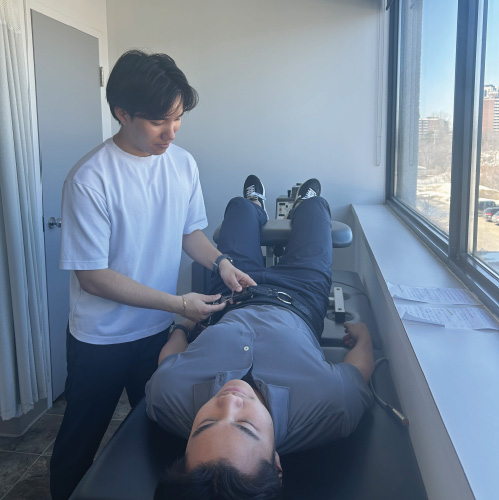
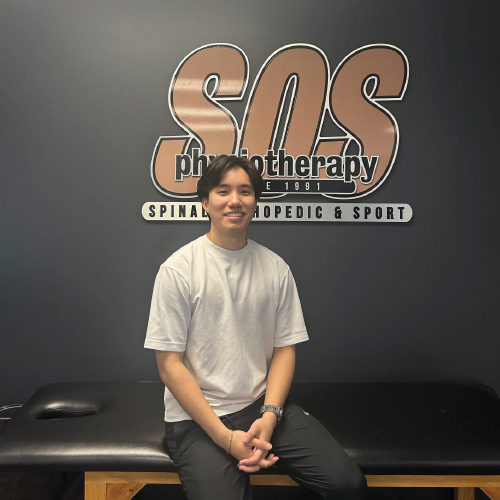
Hi everyone, my name is Lucas, and I am one of the co-op students at SOS Physiotherapy Belmont. As a co-op student, I have the opportunity to be part of the patient experience and help ensure the clinic runs smoothly. Some of my responsibilities include maintaining clinic cleanliness, teaching exercises, and assisting with patient treatments. I have truly enjoyed meeting all the patients and being part of their rehabilitation journey!
As a kinesiology student at the University of Waterloo, this has been an incredible opportunity to learn under the supervision of the amazing physiotherapists at SOS Physiotherapy. I am also grateful to all the patients for welcoming me into their rehabilitation experience.
As my co-op term comes to a close, I am preparing for a trip to Guatemala, where I will be volunteering to distribute and fit wheelchairs for people in need. After my first co-op placement, I began collecting donated wheelchairs around the GTA, and I am very excited to see them given a new purpose!

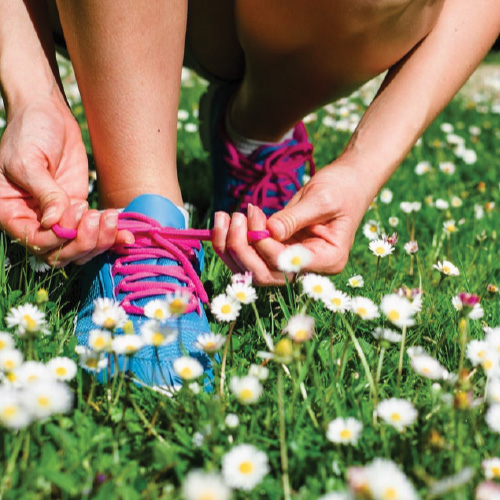
Returning to Spring Activities: Outdoor Running
DOs (Healthy Running Mechanics)
- Keep knee aligned over the second/third toe during stance phase
- Maintain slight forward trunk lean from the ankles (not hips)
- Engage glutes to control hip position
- Increase running volume gradually
- Warm up with dynamic mobility (hip openers, calf activation)
DON’Ts (Faulty Mechanics That Increase Risk)
- Let knee collapse inward when landing
- Overstride (landing with foot too far in front of body)
- Increase mileage or intensity too quickly
- Ignore early anterior knee discomfort
- Run exclusively on sloped or uneven surfaces initially

Plasma Car Races
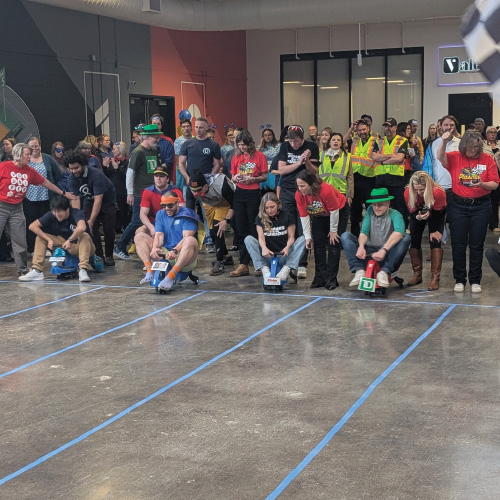
Last week we were happy to compete in a FUNdraiser Plasma Car Race for Kidsability in Waterloo! Our SOS Elmira crew created a team and even made it to the semi-finals. Jon also participated in the CEO race! There was a great group of SOS folks to cheer us on too, including our youngest future recruits;) It was a wonderful community event for a great cause and so much fun. The event raised a total of $136,460 for Kidsability as of the day of the race. Thanks to everyone who sponsored us!!

Resources at SOS Clinics: Bracing
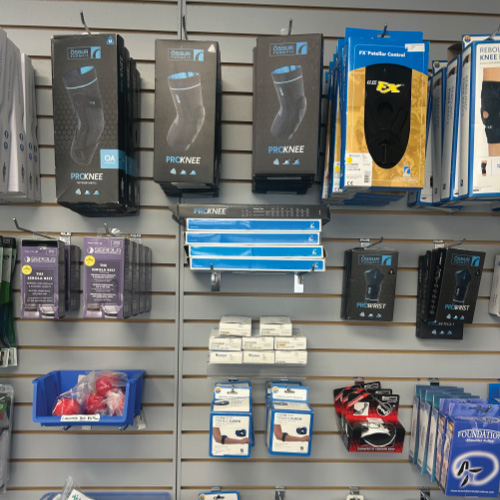
At SOS Physiotherapy, we offer a variety of braces designed to support pain management and improve functional mobility. Bracing can be an effective addition to physiotherapy treatment, particularly when patients require additional support during daily activities, work demands, or return to sport. The main goal of bracing is to reduce strain on irritated tissues while continuing to promote strength, movement, and long-term recovery.
We provide several commonly prescribed options, including wrist braces for tendon irritation and overuse injuries, BandIT braces for tennis elbow to reduce strain on the extensor tendons, knee braces for osteoarthritis and ligament strains, and ankle braces to enhance stability following sprains or recurrent instability. Each brace is selected based on individual assessment and specific functional needs.
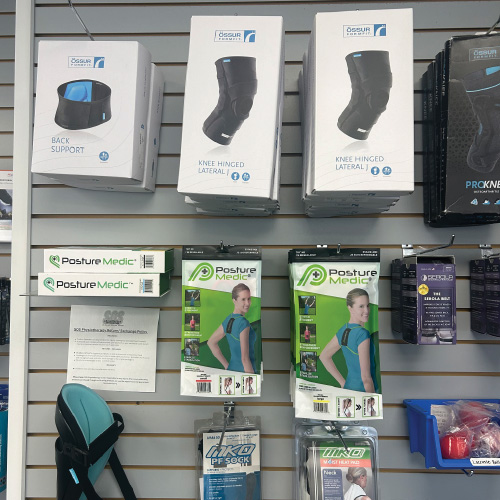
One key product we offer is the Posture Medic, which many clients find helpful for improving postural awareness. Rather than rigidly holding the shoulders back, it gently cues proper alignment, encouraging activation of postural muscles and reducing strain on the neck and upper back during prolonged sitting or computer work.
Knee braces are particularly common in the management of osteoarthritis. Unloader-style braces work by redistributing forces across the knee joint, decreasing pressure on the more affected compartment. This unloading effect can reduce pain during walking and weight-bearing activities, allowing individuals to remain active with greater comfort. When appropriately prescribed, bracing can be a valuable tool to support healing, enhance confidence, and maintain function alongside a structured rehabilitation program.
Pain-Free Pickleball Workshop

In this hour and fifteen minute Workshop, Physiotherapist Arthur Szydlowski will discuss…
*Big mistakes made by pickleball players of all experience levels
*The most important muscles when it comes to Pickleball
*Common causes of pain when playing Pickleball
*What does treatment look like for a Pickleball injury
*Arthur and Coulton’s TOP 3 Exercises to help you play your best game!
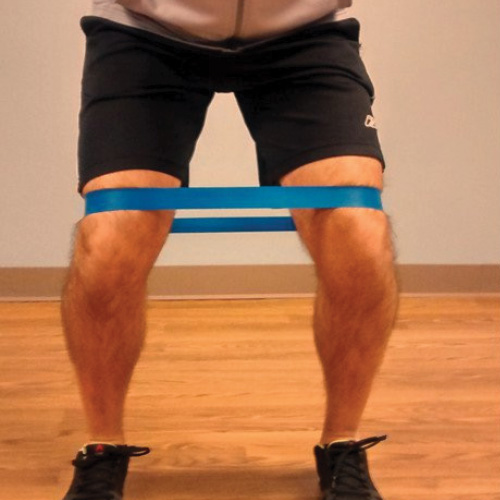
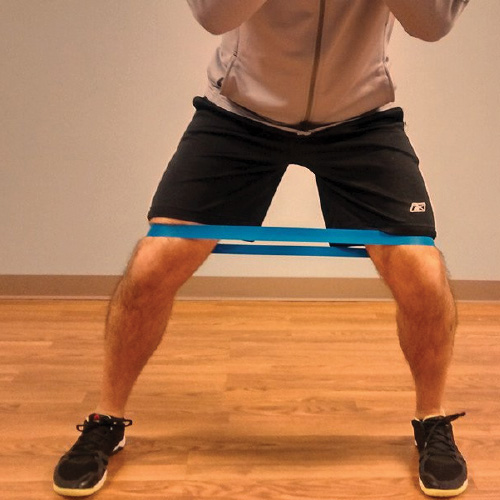
Exercise for Hip and Knee Alignment: Lateral Band Walks
Purpose: Strengthens gluteus medius to improve hip and knee alignment.
How to Perform:
- Place a resistance band around knees or ankles.
- Slight bend in hips and knees (athletic stance).
- Keep chest upright and pelvis level.
- Step sideways slowly while keeping knees aligned over toes.
- Avoid trunk swaying or knees collapsing inward.
- FITT: 2–3 sets of 10–15 controlled steps each direction.
Improving hip strength and single-leg control significantly reduces stress at the knee. If knee pain develops with spring running, physiotherapy can assess biomechanics and create an individualized plan to keep you moving safely and comfortably.