Dry Needling: What You Need to Know
What is Dry Needling?
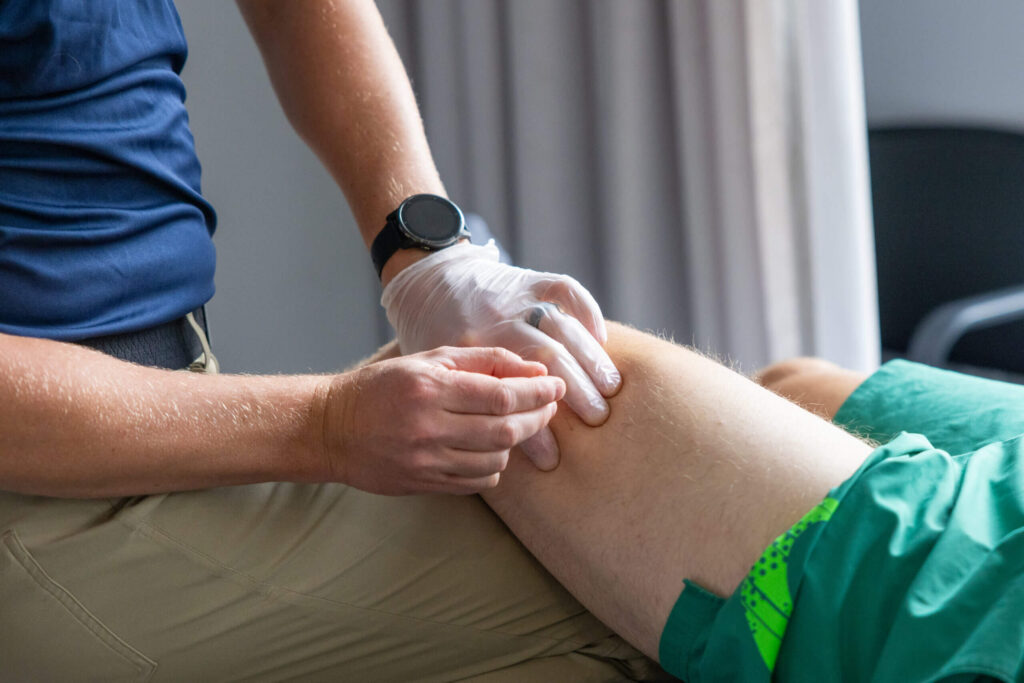
Dry needling is a treatment technique used by physiotherapists and other medical practitioners to treat muscular and neuromuscular pain. The technique involves inserting thin solid needles into specific points in the body. These trigger points are more commonly referred to as “knots” in the muscle. Once inserted, the needles can cause the muscle to contract and then relax when removed. This helps to relieve pain and increase blood flow.
How Does it Work?
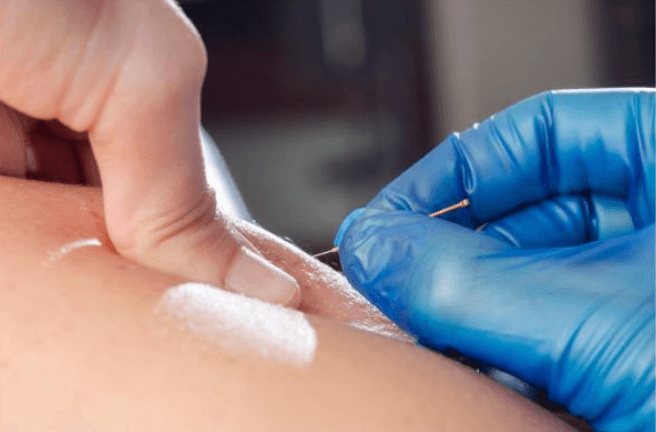
- Identifying Trigger Points: The first step in dry needling is identifying the trigger points that are causing aches and pain. Skilled practitioners can locate these points by feeling the muscle for tight bands, and listening to the patient’s feedback.
- Inserting the Needle: Once the trigger points are identified, a sterile, fine needle is inserted directly into the affected muscle. The goal is to target the trigger point, releasing tension and promoting muscle relaxation. Some common points include the Neck, Shoulders, Forearms, Hands Back, Thighs, Hamstrings, Calves and Feet.
- Trigger Point Deactivation: When the needle is inserted, it stimulates the muscle fibres, causing a twitch response. The twitch response indicates that the trigger point is deactivating. It promotes blood flow to the area and encourages the muscles to relax, relieving pain and tension.
- Improved Blood Flow: The insertion of the needle increases blood flow to the area, which aids in healing/reduces inflammation. This enhanced circulation brings oxygen and nutrients to the muscles, promoting the removal of waste products and toxins.
- Pain Relief and Improved Function: By releasing trigger points and promoting muscle relaxation, needling can lead to immediate pain relief. This, in turn, often results in an improved range of motion, enhanced flexibility, and better overall function of the affected area.
Still not sure about the process of Dry Needling? Check out our YouTube page for a more in-depth video about the ins and outs of Dry Needling!
The Benefits of Dry Needling
Targeted Pain Relief: While other treatment methods may focus on broader areas of muscle for pain relief, needling focuses on smaller zones. By inserting needles into these specific points a physiotherapist can be more precise in their treatment and focus on directly where the pain may be arising from.
Improved Muscle Function: Common to most injuries and pain is muscle dysfunction. Dry needling can help restore muscle function by relaxing sore muscles and increasing blood circulation in the affected area. This can also help return mobility, flexibility and range of motion.
Accelerated Healing: Needling can affect the body’s natural healing mechanisms prompting greater blood circulation to the affected area. With increased blood flow comes an increase in oxygen supply/nutrients in the area for the body to speed up the healing process. The release of endorphins by the brain can result in patients feeling immediate relief lasting for up to 3 days.
Complementary Healing: Physiotherapists often will use dry needling in combination with other treatment methods such as manual therapy, cupping, massage and exercise prescription. The combination of all these treatment methods often results in an accelerated healing process for the patient and a holistic approach to recovery.
Is Dry Needling Safe?
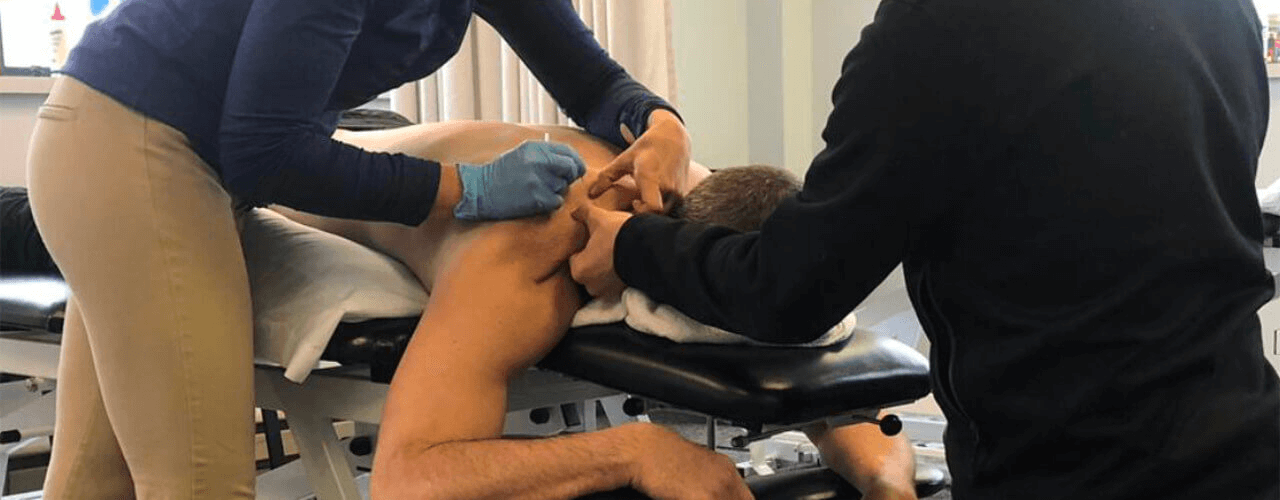
Dry Needling when performed by a qualified and experienced healthcare professional is considered to be a very safe and effective treatment method. Practitioners undergo exhaustive training both online and in person about safety and precautionary measures involved in dry needling which usually takes anywhere from 2-4 months. This level of training ensures that practitioners perform this method of treatment both safely but also effectively to ensure that the patient gets the best treatment available. The training involves making sure that:
- Practitioners stick to strict infection control protocols that ensure clean and sterile needles are used in a clean environment.
- Before doing any treatment, a practitioner will conduct comprehensive patient assessments and gather information on previous medical history.
- Informed consent will always be obtained from the patient before any treatment is administered.
Want to Learn More?
For more on how Dry Needling can ease pain and improve your life, contact SOS Physiotherapy. to learn more!
Frequently Asked Questions
Dry needling primarily targets muscular trigger points for pain relief, while acupuncture follows traditional Chinese medicine principles. With the goal of balancing energy flow through meridians to treat a wide range of conditions.
Needling may cause some discomfort, but it’s usually manageable. The level of pain can vary from person to person, and it often depends on the location of the treatment.
This treatment is used in conjunction with other treatment methods. So a session typically will last around 30 minutes, including other therapy methods.
The long-term benefits of dry needling include reduced chronic pain, improved muscle function, enhanced mobility and range of motion