

How Physiotherapy Can Help With TMJ Pain
Introduction
Do you often find yourself waking up with jaw pain, headache, tenderness around your ears, jaw joint, and temples? Does your jaw make clicking sounds when opening and closing your mouth? You might have temporomandibular joint disorders, or TMJ disorders/TMDs for short.
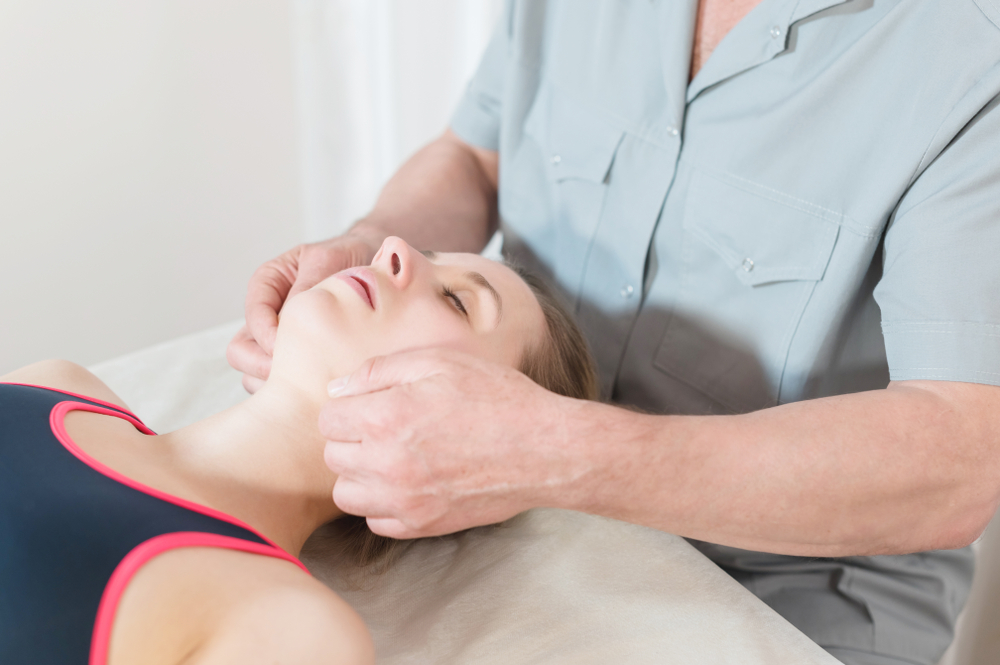
TMJ disorders affect the joint that connects your jaw to your skull and the muscles that control jaw movement. When this joint becomes irritated or dysfunctional, it can lead to pain, stiffness, and difficulty with everyday activities like chewing, speaking, or even yawning. The good news is that physiotherapy can play an important role in reducing pain, improving jaw function, and helping you return to normal activities.
Let’s see how physiotherapy can treat those joints and muscles and help relieve the pain!
What Is TMJ?
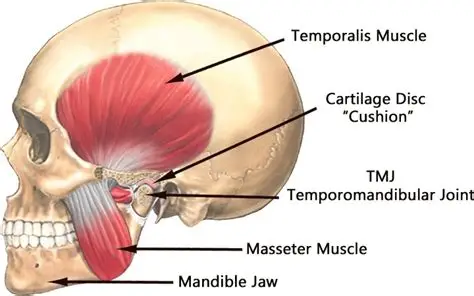
The temporomandibular joint (TMJ) is the joint that connects the jaw to the skull. This joint works to allow the jaw to open and close, glide forward, and side to side. It is used constantly throughout the day when we chew, talk, swallow, and yawn.
Disorders in this area can affect the muscles around the jaw, resulting in pain. Causes for TMD can include several reasons including:
- Jaw injury
- Teeth grinding or clenching
- Arthritis
- a “bad bite“
- Poor posture
Symptoms
Signs of TMJ disorder can vary from person to person. Some experience mild discomfort while others may have more persistent pain or difficuly moving their jaw.
Common symptoms are as follows:
- Pain in jaw or face
- Headaches
- Stiff or locking jaw
- Clicking or popping sounds
- Difficulty opening or closing mouth
- Tooth pain
- Neck or shoulder pain
If these symptoms are bothersome or continue for a prolonged period of time, it is likely helpful to seek professional treatment to address the underlying cause.
What to Except from Physiotherapy
The TMJ is a complex structure that moves in three dimensions, allowing the jaw to open, close, glide forward, and side to side. Because of this, problems in the TMJ can involve not only the joint itself, but also the surrounding muscles, the neck, posture, and movement patterns.
On your first visit, a physiotherapist will perform an in-depth assessment of your jaw, neck, posture, and muscle tension to understand what may be contributing to your symptoms. This assessment is more detailed than most people would expect, because the jaw is closely related to other parts of the body and functions.
Based on this assessment, your lifestyle, and medical history, your physiotherapist will create a treatment plan aiming to restore normal jaw movement, reduce pain, and correct any underlying contributing factors, such as poor posture.
Treatment Options
Treatment for TMJ can include several methods, such as:
Manual Therapy
Hands-on treatment like deep tissue release can help alleviate tight muscles around the jaw, neck, and face. Joint mobilizations may also be used to improve movement in the jaw joint itself or the neck and upper back.
Posture Correction

Lifestyle factors, especially from awkward computer or phone use, can place extra strain on the jaw and neck muscles. Poor posture while sitting or placing the jaw on the hand can also be a contributor. Physiotherapy can identify and teach posture adjustments that help reduce this strain.
Pain Management

In addition, modalities and treatment methods, such as heat therapy or acupuncture, can be used during your treatment sessions to help alleviate the pain.
Exercises
Integrating change into your daily life is an important step to commit to your treatment plan. Your physiotherapist may guide you through exercises designed for you to improve mobility, strengthen muscles, and release tension. Exercises are a great way to take the treatment home and grow towards a consistent recovery process.
Home exercises are an important part of TMJ physiotherapy, but staying consistent with them can sometimes be challenging. A little reminder like the one below can help keep the motivation going!
Although it may seem simple, regularly performing your prescribed exercises can make a significant difference in reducing TMJ symptoms and improving jaw function.
Patient Education
Education is another key part of physiotherapy treatment. Physiotherapists help patients understand why TMJ symptoms occur and how daily habits can affect the jaw.
Patients may learn strategies such as:
- Maintaining proper posture during work or studying
- Avoiding excessive jaw clenching
- Limiting hard or chewy foods during flare-ups
- Practicing relaxation techniques to reduce stress
These small changes, when combined, can make a big difference in preventing symptoms from returning.

FAQs
TMJ symptoms often include pain in the jaw region, headache, clicking or popping sounds from the jaw, difficulty opening the mouth, and tenderness around the temples. If these symptoms persist and interfere with your daily life, it is beneficial to get assessed by a professional.
The recovery time for TMJ is variable, and it might be hard to give a definite timeline. Although some patients see improvement after a couple of sessions, the overall treatment plan can take 4-8 weeks.
Both professions can provide different treatment options depending on the root of the problem. Dentists would take care of issues related to teeth and bite, such as clenching, grinding, and misaligned bite. On the other hand, physiotherapists can treat issues associated with muscle, joint, and movement patterns. It is important to keep in mind that both professions can refer patients to one another and even work simultaneously.
Yes, stress can contribute to TMJ symptoms. When people are stressed, they may unknowingly clench their jaw or grind their teeth, especially during sleep. Stress also affects posture, and neck and shoulder tension. This extra tension can strain the jaw muscles and put pressure on the temporomandibular joint, leading to pain, stiffness, headaches, or jaw clicking. Managing stress and learning relaxation techniques can often help reduce TMJ symptoms alongside physiotherapy treatment.
Book your visit!
If you are experiencing symptoms of TMJ disorder, a physiotherapy assessment can help identify the cause and guide you toward the right treatment plan. Early care can help reduce pain, improve jaw movement, and support long-term recovery!