
Conquering Chronic Low Back Pain: Strategies for Managing Daily Life
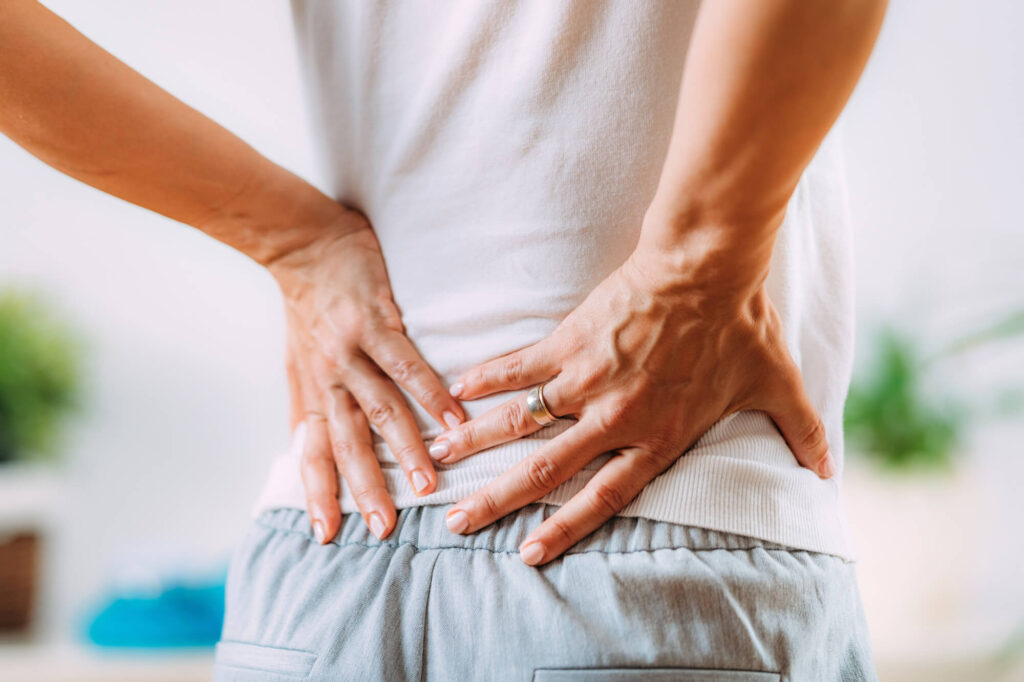
Chronic low back pain is a common condition that affects millions worldwide. Living with chronic LBP can be challenging, but there are LOTS of effective strategies to manage chronic low back pain & get back to living life! At SOS Physiotherapy, our clinicians are dedicated to helping you navigate & alleviate your pain. In this post, we will explore practical tips & tricks to help you manage your back pain & lead a healthier life.
Understanding Low Back Pain
What is Chronic LBP?
Low Back Pain (LBP) is defined as any pain occurring between the lower edge of the ribs and the top of the buttocks. When this pain persists for 12 weeks or longer, it is classified as chronic LBP. This condition often fluctuates, with periods of relief and times when the pain returns. LBP is the most common musculoskeletal cause of disability worldwide, affecting millions of people. If you are experiencing chronic LBP, you are not alone, and there are effective strategies and treatments available!
What Causes Chronic LBP?
Chronic LBP can be caused by a multitude of sources:
- Muscle/Ligament Strain: Overuse & improper lifting techniques can strain the muscles & ligaments of the lower back leading to pain. These injuries are particularly common to those who engage in frequent repetition & strenuous activities for long periods.
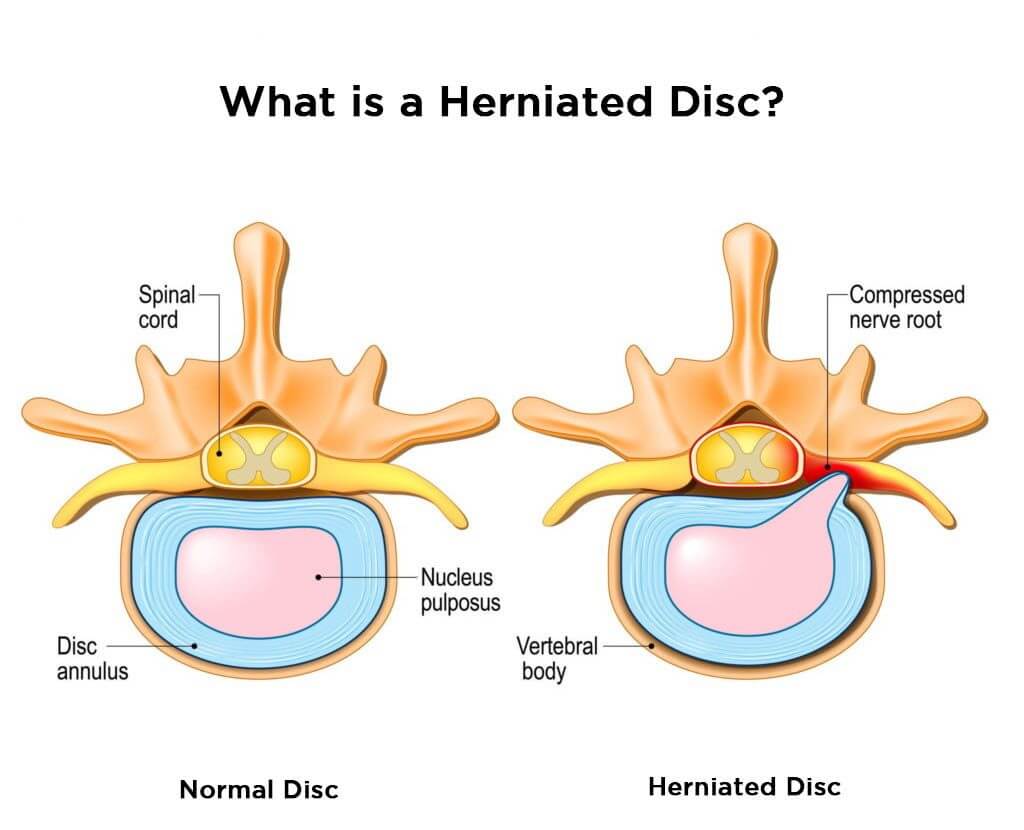
- Herniated Discs: When the fluid located inside the intervertebral disc leaks out, it can cause damage/irritation to nerve roots nearby inflicting pain on the lower back & limbs. A herniated disc most often happens from sudden trauma to the disc or improper lifting techniques in which the disc bursts & fluid leaks.
- Degenerative Disc Disease: Over time, the discs located in between the vertebrae of the back can degenerate & lose some of their fluid/pressure. This reduces the cushioning between the vertebrae & can lead to increased friction between the bones, leading to pain.
- Spinal Stenosis: As the spine ages, age-related processes such as osteoarthritis can cause structural changes in the spine. In the case of spinal stenosis, the spinal canal narrows & can pinch both the spinal cord & exiting nerve roots causing pain.
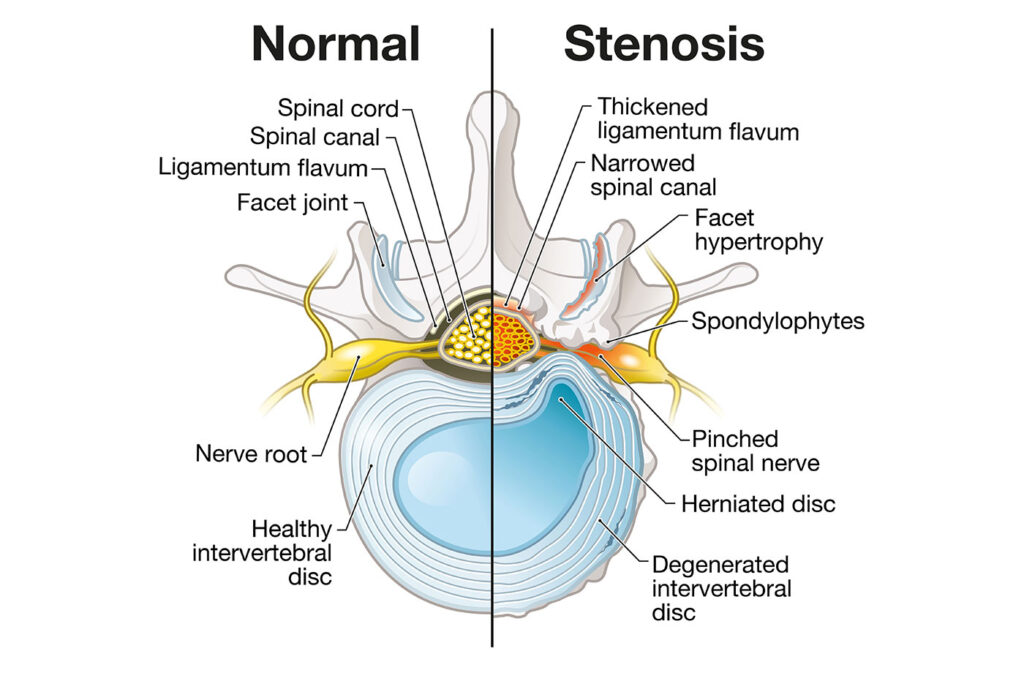
- Osteoarthritis: A degenerative disease that targets the cartilage throughout the body. Specifically in the spine, osteoarthritis can lead to degradation of cartilage in the spine leading to increased friction between the vertebrae. Osteoarthritis can also cause bone spurs known as osteophytes, which can further contribute to LBP.

Managing Chronic Low Back Pain
Chronic LBP does not have to be disabling. There are many effective strategies that YOU can employ to continue to live life to the fullest, even during a flare-up. In this section, we dive deeper into strategies for managing & preventing future flare-ups.
Staying Active
Maintaining an active lifestyle is KEY for both preventing & managing LBP, even during a flare-up it is essential to keep moving & stay active, not to let LBP control YOU! Staying active during a flare-up can be challenging, so here are some tips for staying active during a flare-up:
- Modify Your Daily Activities: Change your daily activities based on your pain level. Be flexible with your activities & try to minimize stress on your back. Try breaking up activities into smaller more manageable chunks allowing for rest in between.
- Find Movements That Feel Good!: Your body can tell you when you are engaging in a painful movement, but it also can provide insight into movements that relieve pain. Experiment with small movements to see if they help to relieve your pain & then use them! Even little things such as gentle stretching from time to time can make a huge difference in your pain levels.
- Get Your Steps In!: Going for regular walks can be a VERY effective way of staying active, try to incorporate walking into your daily routine. During a flare-up, walking for long durations might be painful, try splitting these sessions into smaller chunks or try other activities such as biking.
- Recreational Activities: Engaging in recreational activities that you enjoy can help distract you from your pain & improve your overall mood. While dealing with LBP can make participating in recreational activities tough, some things you can do to reduce the pain & still enjoy the activities you love is breaking the activity down into smaller durations, modifying the activity to tailor it directly to your back’s needs (using a cart when playing golf, choosing a less uphill hiking trail, etc).
Exercise!
Structured regular exercise is crucial to strengthening your back (and overall body/mind) & preventing/managing chronic LBP. But we have a secret to tell you…..there is no “perfect” type of exercise for chronic LBP! So you are free to do whatever exercise type that you enjoy! Some common examples are:

Resistance Training: Using resistance training is an excellent method for strengthening the muscles around your back. You can improve overall stability and support for your spine, which can help prevent injuries and alleviate back pain.
Cardio (Aerobic Training): Aerobic (cardio) training is excellent for overall cardiovascular health, but it can also directly benefit your back by improving circulation and enhancing muscular endurance.


Aquatic Training: is highly beneficial for back health due to the natural buoyancy of water, which reduces the impact on the spine and joints while providing resistance to strengthen muscles.
Check out our weekly Form Friday IG posts for more exercises
When it comes to training for low back pain, check out some of our favourite exercises for strengthening the muscles of the low back & supporting areas
- Cat-Camel
- Glute Bridge
- Bird-Dog
- Pelvic Tilts
- Side-Bridge
Check out our co-op student Brett as he demonstrates these exercises for you!
How Physiotherapy Can Help
Dealing with Chronic LBP can be challenging, but SOS physiotherapy offers a range of effective treatments to help you manage your pain, improve function & enhance your quality of life! Here’s how Physiotherapy can help:
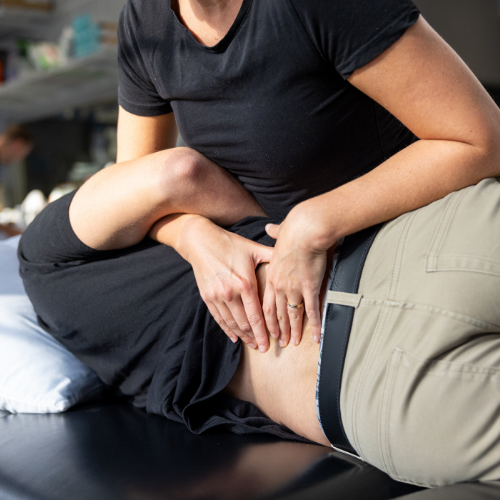
Manual Therapy: Physiotherapists use hands-on techniques such as soft tissue release and spinal manipulation/mobilization to help alleviate pain & improve mobility. These techniques help to reduce muscle tension, increase joint flexibility & enhance blood flow to your lower back, helping to provide immediate relief from LBP.
Individualized Exercise Program: Our team of physiotherapists work with you to develop a comprehensive exercise program tailored to meet the needs of YOUR BACK. This program will help strengthen the muscles in/around your lower back & help to increase your overall mobility. Allowing you to develop the capacity to get back to your normal activities pain-free!
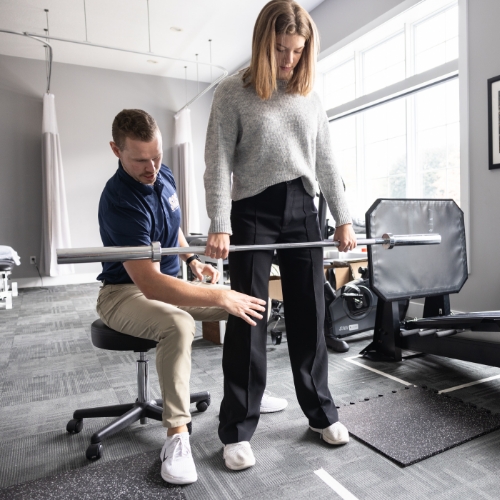
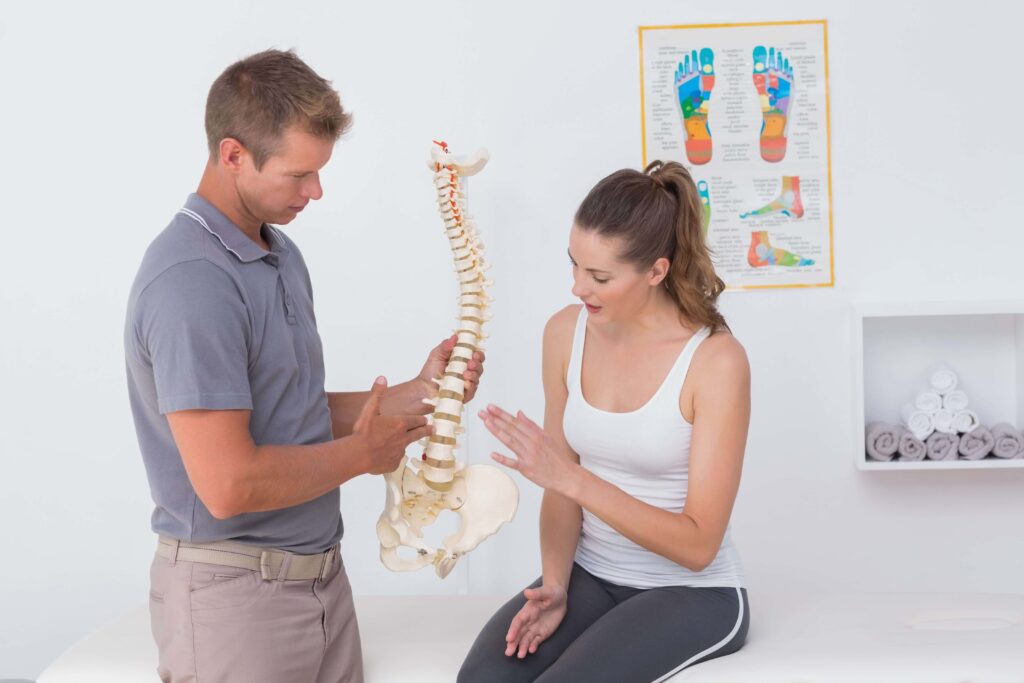
Education & Lifestyle Advice: Understanding the underlying causes of your LBP is critical to your recovery. Physiotherapists work with you to provide education about what is causing your pain & what you can do to minimize the stress on your lower back. Postural education, body mechanics & low back anatomy are just some things our physiotherapists will discuss to help you better understand your pain!
Frequently Asked Questions
All of them!! There isn’t a one-size-fits-all type of exercise for LBP. So the key is to do what makes you happy & engaged. Make sure that whatever exercise you are doing, you always do it with proper form!
Absolutely! Physical therapy can provide significant relief for chronic LBP patients. PTs can teach you proper exercise form, and help improve your mobility, flexibility & overall pain levels, leading to a higher quality of life.
You should seek physiotherapy if your low back pain limits your mobility, or significantly affects your daily activities and quality of life. There is no defined timeline from pain onset to when you should seek physiotherapy, however, the sooner you see your physiotherapist the sooner you can work with them to calm your pain.
Try to stay active, modify daily activities to reduce stress on your back, and engage in regular exercise to build strength & confidence in your back.
Manual therapy can help by reducing muscle tension, improving joint flexibility, and enhancing blood flow to the lower back, providing immediate pain relief and improving mobility.
Sources
Owen PJ, Miller CT, Mundell NL, Verswijveren SJJM, Tagliaferri SD, Brisby H, Bowe SJ, Belavy DL. Which specific modes of exercise training are most effective for treating low back pain? Network meta-analysis. Br J Sports Med. 2020 Nov;54(21):1279-1287. doi: 10.1136/bjsports-2019-100886. Epub 2019 Oct 30. PMID: 31666220; PMCID: PMC7588406.
Hayden JA, Ellis J, Ogilvie R, Stewart SA, Bagg MK, Stanojevic S, Yamato TP, Saragiotto BT. Some types of exercise are more effective than others in people with chronic low back pain: a network meta-analysis. J Physiother. 2021 Oct;67(4):252-262. doi: 10.1016/j.jphys.2021.09.004. Epub 2021 Sep 16. PMID: 34538747.
Ghorbanpour, A., Azghani, M. R., Taghipour, M., Salahzadeh, Z., Ghaderi, F., & Oskouei, A. E. (2018). Effects of McGill stabilization exercises and conventional physiotherapy on pain, functional disability and active back range of motion in patients with chronic non-specific low back pain. Journal of physical therapy science, 30(4), 481–485. https://doi.org/10.1589/jpts.30.481