

Thoracic Outlet Syndrome and it’s Effects on You!

Have you ever woken up with a tingling sensation on your fingers that never quite goes away, or a persistent ache in your shoulder that seems to radiate down your arm? These could be signs of a condition often overlooked but intensely impactful: Thoracic Outlet Syndrome (TOS), specifically its neurological form.
Understanding these neurological causes is crucial for anyone experiencing unexplained arm pain, weakness, or numbness. In this post we will dive into what TOS is, common causes, symptoms, and most importantly how it can be diagnosed and managed. Whether you’re someone navigating mysterious arm discomfort or simply curious about lesser-known medical conditions, join us as we explore this confusing condition.
What is Thoracic Outlet Syndrome (TOS)?

Thoracic outlet syndrome is a group of conditions involving the compression of arteries, veins, and most commonly nerves in the lower neck and upper chest area. This compression can lead to neck and shoulder pain as well as numbness/tingling in the fingers and hands. The area in the lower neck and upper chest is termed the thoracic outlet and is formed by the space between the clavicle, better known as the collarbone, and the first rib. This passageway is filled with blood vessels, nerves, and muscles.
Thoracic outlet syndrome can affect the upper limb in three main ways, through compression of the brachial plexus, the subclavian artery, and the subclavian vein.
The Brachial Plexus:
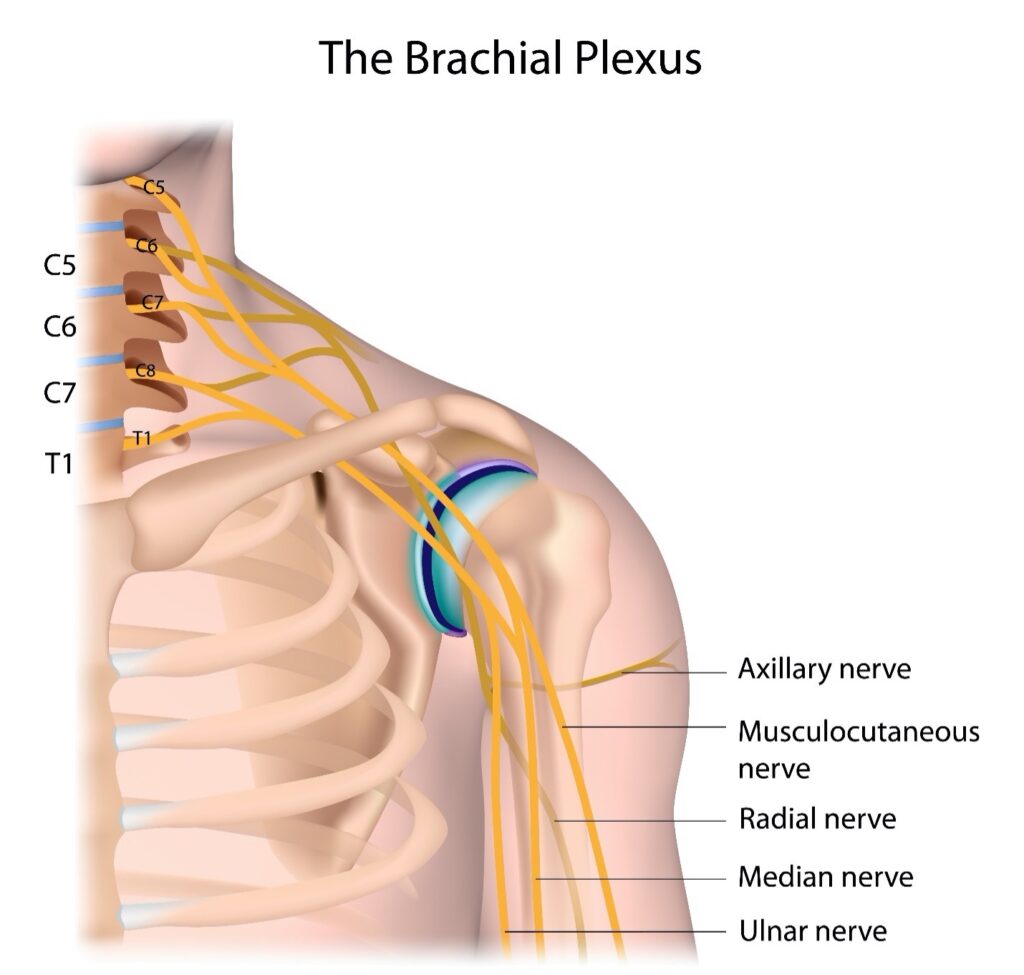
The brachial plexus is a network of nerve fibers travelling through the thoracic outlet that supplies the skin and muscles of the upper limb. These nerves roots stem from the cervical and thoracic portion of your spine (C5-T1) and twist and connect before resulting in 5 main nerves.
The axillary nerve, used to rotate the shoulder and lift the arm away from the body. The musculocutaneous nerve, used to flex the shoulder and elbow. The radial nerve, controlling various muscles in the arm and hand. The median nerve, used for movement in the forearm and hand. And finally the ulnar nerve, used for fine control of the fingers.
The Subclavian Artery and Vein
The subclavian artery and vein also travel through the thoracic outlet and can become compressed leading to more dangerous complications. The subclavian artery takes oxygen-rich blood from the aorta and heart and delivers it to the chest, neck, and arm as it travel up and through the thoracic outlet. Then the subclavian vein takes the oxygen-poor blood, after it has been delivered to the muscles, back up to the heart to replenish.
Although this blog post will focus more on the neurological portion of TOS, it is important to take note on what other structures can become compressed and any symptoms that may come alongside it.
Common Causes:
Understanding the various causes of Thoracic Outlet Syndrome (TOS) involves recognizing how different factors contribute to the compression of the nerves and blood vessels in the thoracic outlet region:
Anatomical Variations:
- Cervical Rib: Sometimes, individuals may be born with an extra rib located just above the first rib. The can causes upwards compression on the nerves and blood vessels as the thoracic outlet shrinks.

- Abnormal Muscle Development: Some people may have abnormalities in the muscle surrounding the thoracic outlet. For example tightness in the scalene (neck) muscles or pectoralis minor (chest) muscle may lead to compression as well.
Poor Posture and Repetitive Movements:
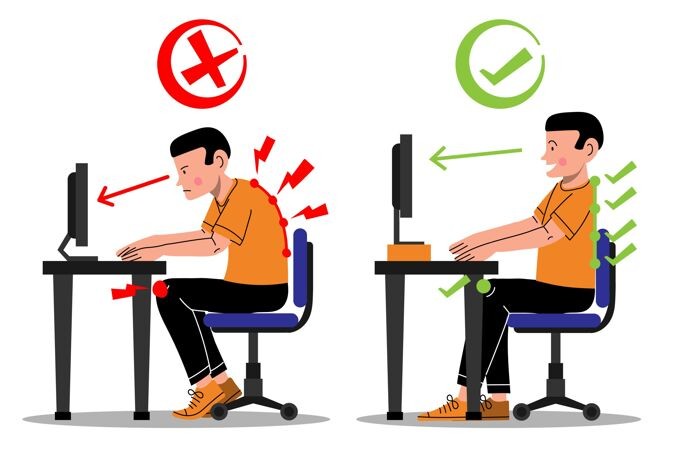
- Forward Head Posture: Prolonged periods of sitting with your head forward and shoulders slouched can cause unequalness in muscles in the neck area.
- Repetitive Activities: Jobs or hobbies that involve repetitive motions of the arms and shoulders can put strain on the muscles and other tissues around the thoracic outlet. This can include typing at a computer for long hours, assembly line work, or consistent overhead lifting.
Check out our Instagram and other blog posts to learn more about good posture and desk ergonomics!
Trauma and Injuries:

- Whiplash Injury: A sudden jerking of the neck, like in car accidents, can cause damage to the muscles, ligaments, and nerves in the neck and shoulder area.
- Fractures or Dislocations: Injuries to the clavicle (collarbone), first rib, or close structures can disrupt the normal anatomy of the thoracic outlet.
Symptoms:
TOS symptoms widely vary depending on the nerves or blood vessels affected. Individuals who have TOS may also experience some or all of the following symptoms:
- Pain: You may experience dull aching pain in the neck, shoulder, and along the inside of the arm. This pain may be ongoing, come and go, or increase with specific activities or positions that compress the thoracic outlet.
- Numbness and Tingling: Commonly described as ‘pins and needles’, you may experience the numbness/tingling or the ‘falling asleep’ of your shoulder, arms, and fingers. The severity of the nerve compression may dictated the severity of the numbness.
- Weakness: Muscle weakness and fatigue in the arm is a common symptoms of TOS. This occurs due to restricted blood flow and nerve function to the arm muscles and leads to weakened grip strength.
- Swelling: Swelling in the arm or hand on the affected limb may happen due to less circulation. This causes the arm to look swollen and feel heavy or full.

If you are experiencing large amounts of swelling and arm/hand discoloration, please SEEK MEDICAL ATTENTION IMMEDIATLEY. This may be due to reduced blood flow and may have drastic consequences.

Diagnosing and Treatment:
Diagnosing TOS involves a larger evaluation to help differentiate it from other conditions with similar symptoms. Most healthcare providers will typically start with a physical examination. During this examination they will go over range of motion and strength tests as well as assess the affected arm for tenderness, swelling, or changes in pulse.
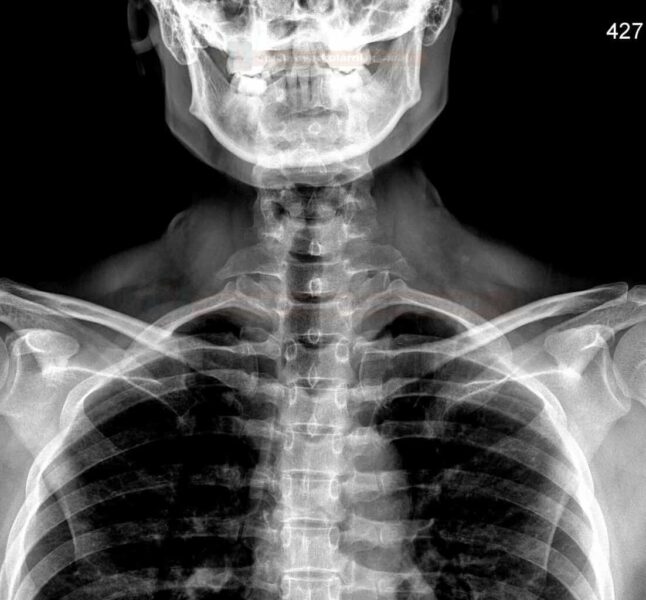
After the initial physical examination, imaging such as X-rays, MRIs, and CT scans will be done. These are used to identify if any anatomical structures may be causing compression in the thoracic outlet. Often these tests go alongside what’s called electrodiagnostic tests such as nerve conduction testing and electromyography (EMG). These are used to assess the nerve function and identify areas of nerve compression or damage.
Treatment:
Treatment for Thoracic Outlet Syndrome aims to reduce symptoms, improve function, and address any underlying causes.
- Physiotherapy: Physiotherapists will develop personalized exercise programs to improve posture, strengthen muscles and increase flexibility. These will help reduce compression on nerves and blood vessels in the thoracic outlet, alleviate your pain, and improve overall function.
- Medications: Anti-inflammatory drugs may be prescribe by a healthcare professional to help reduce inflammation and alleviate pain.
- Surgery: In severe cases, where individuals do not respond to conservative treatment, surgical options may be considered. These would involve the releasing and removing of structures that are compressing nerve and blood vessels in the thoracic outlet.

How Can Physiotherapy Help YOU?

Physiotherapy is a very important aspect to the management of TOS. Some of the things to expect include improving posture and learning proper body mechanics. Similarly, learning targeted strengthening and stretching exercise to open up the thoracic outlet is vital to your recovery. Finally, patient education and self-management is key to moving forward with this complex condition.
At SOS Physiotherapy, we understand the challenges of living with Thoracic Outlet Syndrome (TOS) and are dedicated to providing personalized care that empowers you to reclaim your quality of life.
Why Choose SOS Physiotherapy for Thoracic Outlet Syndrome?

- Experts in TOS Management: Our experienced physiotherapists specialize in spinal and orthopedic care. We will use evidence-based techniques to help address your unique symptoms and challenges when dealing with TOS.
- Customized Treatment Plans: Here at SOS Physiotherapy we tailor our treatment plans specifically to your needs. After just your first assessment you will go home with a better understanding of the condition, goals, exercises, and tips to help alleviate your pain until your next visit.
- Comprehensive Approach: Beyond just exercises, your physiotherapy will use targeted manual therapy, tools, and provide education on this condition. We want to equip you with the tools you need to take an active part of your recovery and the confidence in managing this condition.
- Patient-Centered Care: At SOS Physiotherapy, you are the center of your care. We listen attentively to your concerns, goals, and preferences to ensure your treatment plan aligns with your lifestyle and expectations.
Book in NOW!
Click the link below to get connected with our wonderful front desk staff and have any questions answered. We would love to help get you booked in with our Expert Physiotherapists at one of our four locations!