


Patio Season: A DIY Adventure
By: Ben Derrough, Physiotherapist/DIY home improvement project enthusiast from SOS Belmont!
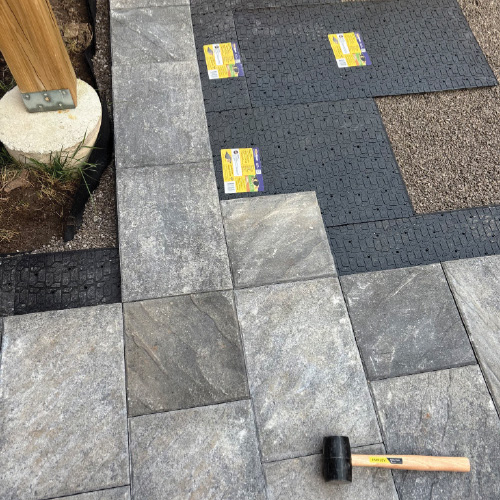
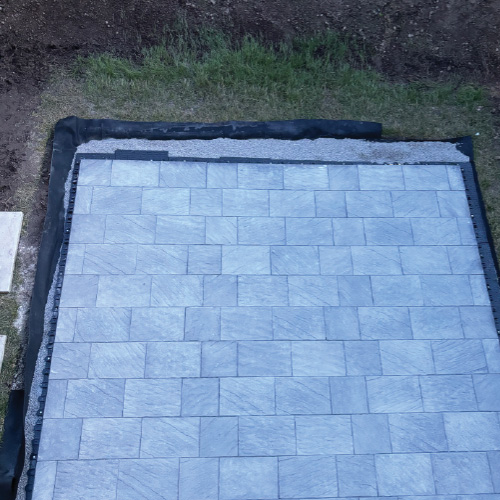
With patio season in full swing, we decided it was finally time to tackle a new project: building a patio.
Like many DIY projects, it started with plenty of optimism and a simple question: “How hard can it be?” As it turned out, this “weekend project” had other plans.
Over the past month, whether it was one of my patients or clinicians treating at a nearby table, just about everyone has heard the latest patio update. Consider this a recap of the adventure and perhaps a few lessons learned for anyone thinking about taking on a similar project.
The first challenge appeared before a shovel even hit the ground. We had new fences installed this spring, which offers a great space for a patio, but meant backyard access was limited to going through the garage and mechanical room. Suddenly, getting equipment and materials to the worksite became a project of its own.
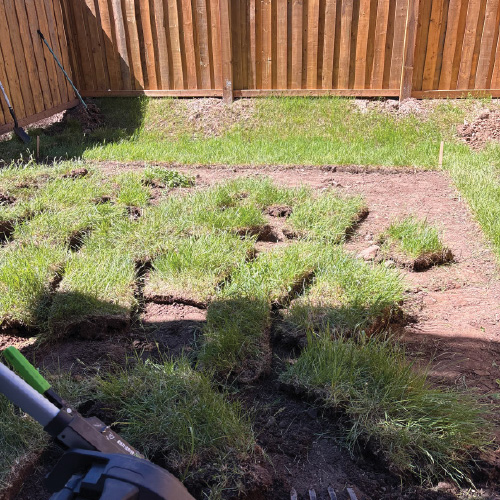
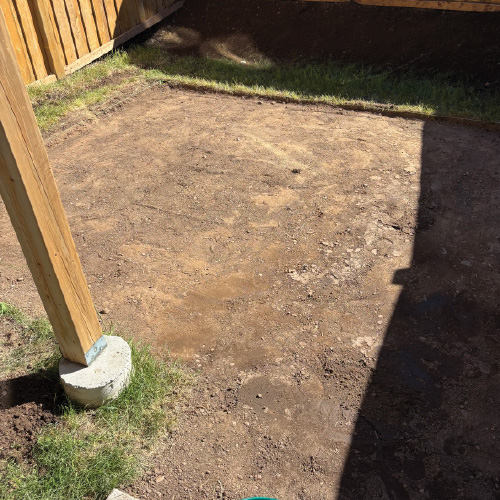
Then came the excavation. Digging out the existing dirt and grass was challenging, and removing it from the yard was exhausting (I understand where the exercise farmer carry comes from now). Without access for machinery, all the old dirt and grass was carried out via 10 gallon pales. It’s amazing how quickly you gain an appreciation for backyard access once it’s gone.
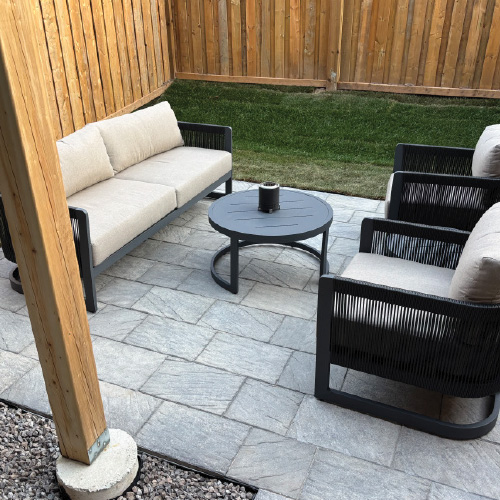
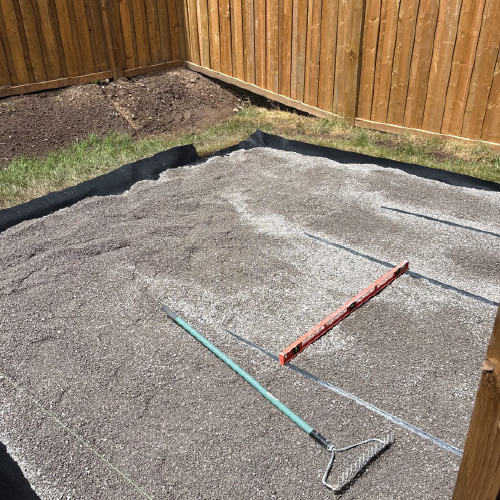
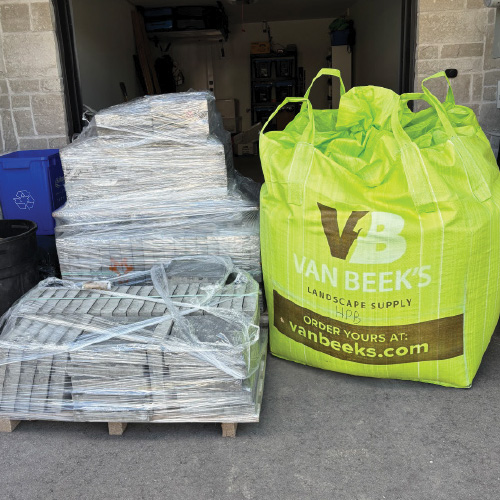
The same challenge returned when it was time to bring materials back in. Paver base, patio stones, and everything else had to then be carried into the backyard. It certainly provided plenty of opportunities to practice lifting techniques and reminded me that functional strength training isn’t limited to the gym.
Like many people tackling a home project these days, I also turned to AI to help design a laying pattern for the pavers. The design looked great until I double-checked the calculations and realized the material estimates didn’t quite line up. It was a good reminder that AI can be a useful starting point, but it’s still worth verifying the details before ordering the materials and starting to lay the stones!
Of course, finishing the patio doesn’t actually finish the project. Once the last paver is in place, there’s still disturbed soil to grade, landscaping to restore, and plenty of cleanup. What begins as one project has a way of expanding into several others.
For the golfers reading this, be prepared to sacrifice a few weeks of tee times. Partners of the “DIYer”, you will find the patio replaces golf for the time being. Friends of the “DIYer”, lunch is likely not worth the labour.
Despite the unexpected challenges, seeing it all come together in the end is quite rewarding. The experience was also a good reminder that big projects are a marathon, not a sprint. Whether you’re tackling a backyard renovation or recovering from an injury, pacing yourself, using good technique, and asking for help when you need it can go a long way toward reaching the finish line.
Cheers!
Are You Experiencing Lower Back Pain?
Chances Are, it May be Caused by Another Issue
Your spine is a complex part of your body – it requires proper posture, flexibility, coordination, and strength, in order to do its job correctly. When one of these elements is altered, your spine can emit painful responses that can settle in other nearby parts of the body.
According to the National Institute of Health, approximately 80% of adults will experience lower back pain at some point in their lives. Back pain is actually the most commonly reported location of pain across the globe. But how often is the source actually another part of your body?
Pain is Usually Connected
Your spine is a lengthy structure, and pain can travel along it. Let’s say you are prone to neck pain – perhaps you have a slouched posture from sitting at a desk all day and the pressure radiates in your shoulders. Or, maybe you’ve had a previous injury, such as whiplash, that still elicits painful stings every now and then. Now, let’s say you begin feeling pain in your lower back in addition to your neck pain. Why does this happen?
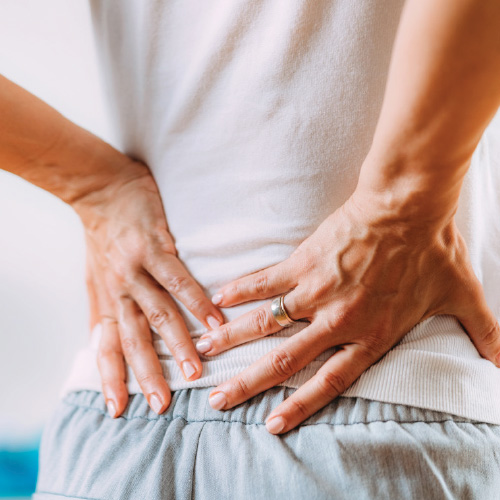
Basically, the pains are connected to each other. Your head weighs about 10-12 pounds, which is roughly the weight of a bowling ball. When you slouch, or compensate pain by realigning your body, your back muscles have to work extra hard to keep you from toppling forward. Have you ever been so tired that your head begins to bob and it jolts you awake? That’s because your head is heavy! The weight from the motion wakes you back up because your body isn’t used to carrying it in that way.
This is also why pain in your lower back may occur as a result. Your back muscles are working in overdrive and may be constricting to try and hold you up. If you notice neck and back pain at the same time as one another, try sitting up straighter – it should help ease some of the stress!
Is Your Neck the Culprit?
The most common combination of pain is in the neck and the back. If you are experiencing both, it is most likely stemming from the neck.
We don’t typically think about it, but we use our necks for a lot of our daily activities. Even simple things, such as turning to grab something out of the cupboard or looking over your shoulder when backing out of a driveway, use a lot of neck muscles. When you do simple tasks such as these, do you find yourself turning your entire body, as opposed to just your head? If so, you could experience back pain along with your neck pain.
When you have limited motion in your neck, your body compensates by twisting more than it usually would, thus over-rotating your lower back. This could cause a source of pain or general discomfort in the area, due to abnormal overuse. If you are experiencing neck pain, back pain, or a combination of both, our physiotherapists would be more than happy to meet with you for a consultation to discuss how they can help. Call us today to talk to an expert about how we can relieve your aches and pains!
How Can I Tell if My Neck is Causing My Back Pain?
It can sometimes be difficult to determine if your back pain is rooted in your neck. This simple, at-home test can assist you in figuring it out:
1.
Stand straight in front of another person. They will be your eyes regarding the movements you make.
2.
Once they are watching you, turn your head as far as you comfortably can to the left. Repeat the same motion to the right. Have them take note of how far you are able to go.
3.
Now, sit down in front of the same person. Repeat the same turning motions from a chair or couch. Again, have them take note of how far you are able to comfortably turn your head.
4.
Ask if there were any differences in the turning movement. Did one side seem to turn further than the other? Was there a difference in standing vs. sitting?
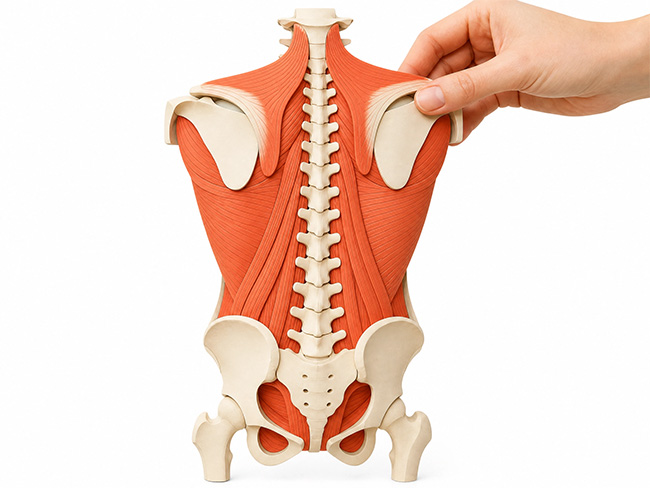
This test is helpful in finding out if your neck is causing (or is at risk of causing) pain in your lower back. If your movement is limited, especially sitting down, it means that the muscles in your back or upper back are tight. These constricted motions can cause pain in the lower back.
How Can Physiotherapy Help Me?
Physiotherapy is the leading recommendation for back pain. Physiotherapists are trained to evaluate muscle and joint movement, and they can easily assist you in finding the root of your problem. They will thoroughly evaluate you to figure out why you are experiencing pain, determining the source and treating all affected areas. After your initial consultation, they will create a specialized treatment plan for you, based on their diagnosis of your specific needs. A physiotherapist’s end goal is the same as yours – to get you feeling better, healthier, and more comfortable! If you are experiencing lower back pain and think it may be caused by an issue occurring in your neck, give us a call today. We’ll get you moving comfortably again in no time.
Maximizing Summer Fitness:
Tips from SOS Physio

Getting active during the summer can be both fun and challenging, but by following our physiotherapist’s tips, you can make the most of this season.
Get an Assessment:
Consider a comprehensive assessment by one of our skilled therapists to identify any underlying issues or areas of concern. This will help you tailor an exercise plan that suits your specific needs while minimizing the risk of injuries.
Warm-up and Cool Down:
Remember to do proper warm-ups and cool-downs for every activity. One of our SOS Physiotherapy experts can guide you through dynamic stretching routines that prepare your muscles for exercise and help prevent strains.
Stay Hydrated:
Hydration is essential for your health and well-being, and your therapist can recommend simple strategies to ensure you get enough fluids to keep you energized and prevent heat-related issues.
Trust Your Body:
Listen to your body, never ignore or push through pain. If you experience pain or discomfort, consult your physiotherapist promptly to address any potential concerns.
With these expert tips, you can enjoy an active and injury-free summer!

Warm up with this hearty One-Pot Braised Chicken with Kale and White Beans, a comforting meal that’s packed with lean protein, fiber, and wholesome ingredients. It’s an easy, nutritious recipe that’s perfect for busy weeknights and sure to become a family favorite!
Enjoy This Seasonal Healthy Recipe!
One-Pot Braised Chicken with Kale and White Beans
- 2 tbsp Olive oil
- 1 tsp Paprika
- 1 tsp Sea salt
- 1/2 tsp Black pepper
- 8 Bone-in, skin-on chicken thighs
- 1 Shallot, minced (about 1/2 cup)
- 1 1/2 cups chicken broth, divided
- 1 tbsp Dijon mustard
- 2 tbsp Cold butter
- 2 tbsp Lemon juice
- 1 tsp Freshly chopped tarragon, plus more for garnish
- 1/4 cup Capers
- 10 cups Kale, stems removed, roughly chopped
- 1 13.5 oz can white cannellini beans
- In a large skillet or braiser with a tight fitting lid heat 1 tablespoon of olive oil over medium/high heat.
- In a small bowl mix together paprika, salt and pepper. Pat the chicken thighs dry and season them generously with the paprika mixture.
- Place the thighs, 4 at a time, skin side down into the pan. Cook until skins are golden brown and crisp, about 5 minutes. Flip and continue to cook until the other side is just browned, about 3 more minutes. Transfer chicken to a plate and repeat with remaining chicken thighs.
- In the same pan add the shallots and cook over medium heat, stirring often, until just tender, about 4 minutes.
- Add 1 cup of the chicken stock to the pan along with the dijon mustard. Bring liquid to a simmer, stirring and scraping up brown bits with a wooden spoon. Allow to simmer on medium low heat until sauce reduces to about 1 cup and thickens enough to lightly coat the back of a wooden spoon, about 5 minutes.
- Remove from heat and slowly whisk in cold butter. Once the butter is incorporated, stir in the lemon juice, capers and tarragon.
- Add the kale and white beans to the pan and toss until greens are lightly coated with the sauce. Add the chicken back to the pan, tucking each thigh into the greens.
- Drizzle the remaining broth over the entire dish, bring to a simmer, cover and cook on low heat for 30 minutes. Remove from heat, transfer to a large serving platter and serve as is or over mashed potatoes or a bed of creamy polenta. Enjoy!
- If you want to take the extra step for good crispy skins, remove the lid and place the entire dish under the broiler on the center rack for 3 minutes, or until skins start to bubble.

Try These Carries!
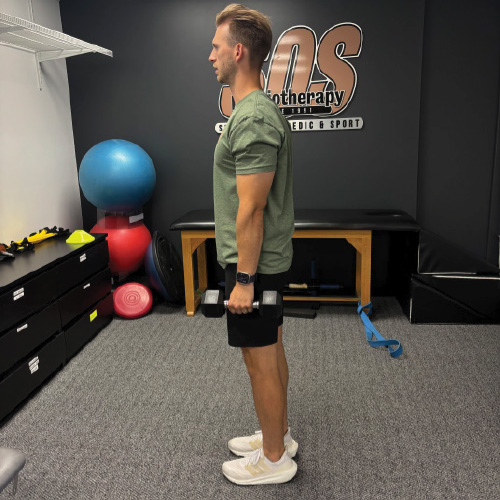
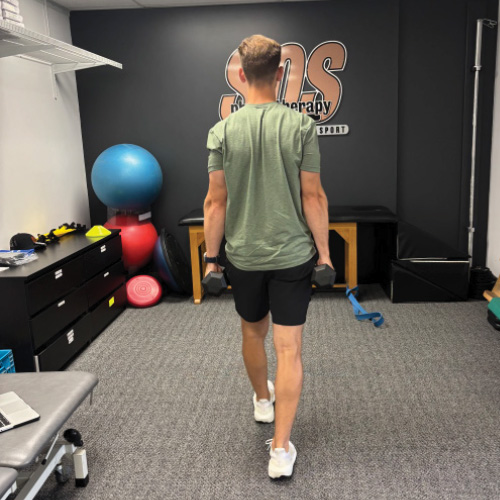
How to Perform a Farmer Carry
- Hold a weight in each hand (dumbbells, kettlebells, or even grocery bags work well).
- Stand tall with your shoulder blades gently engaged and your chest up.
- Brace your core to create a stable base before you begin walking.
- Walk forward at a comfortable pace with slow, controlled steps.
- Keep the weights close to your sides and maintain an upright posture throughout the exercise.
- Turn carefully and continue for your desired distance or time.
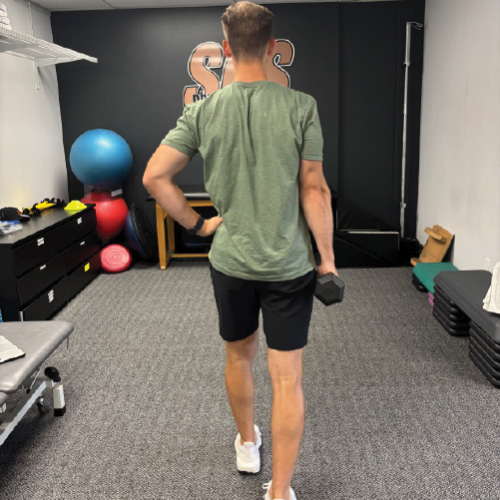
Try a Suitcase Carry
Looking for an extra challenge? Perform the same exercise while holding a weight in one hand only.
The uneven load encourages your core and hip muscles to work harder to keep you upright, making it an excellent exercise for improving balance, stability, and side-to-side strength. Remember to stay tall and resist the urge to lean toward or away from the weight.
Why We Like It
The Farmer Carry is a great example of functional strength – training your body to perform the activities you do every day. Whether you’re carrying groceries, moving luggage, hauling gardening supplies, or tackling a backyard project, this exercise helps prepare your body for real life.
Regularly incorporating carries into your routine can help improve:
- Grip strength
- Core stability
- Hip and shoulder stability
- Postural endurance
- Walking mechanics and balance
- Overall confidence with lifting and carrying everyday loads
As with any exercise, choose a weight that challenges you while allowing you to maintain good posture and control throughout the movement. Quality movement is always more important than simply carrying a heavier load.
New & Upcoming at the Clinic
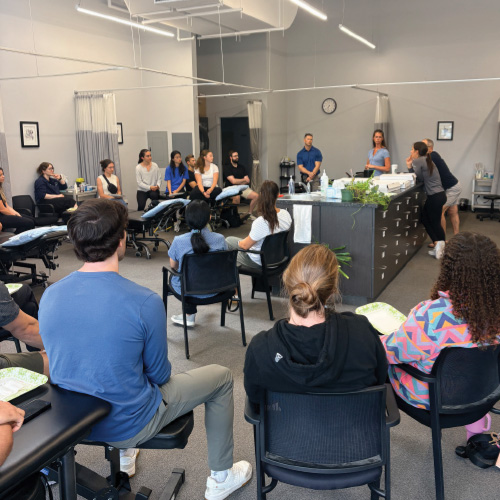
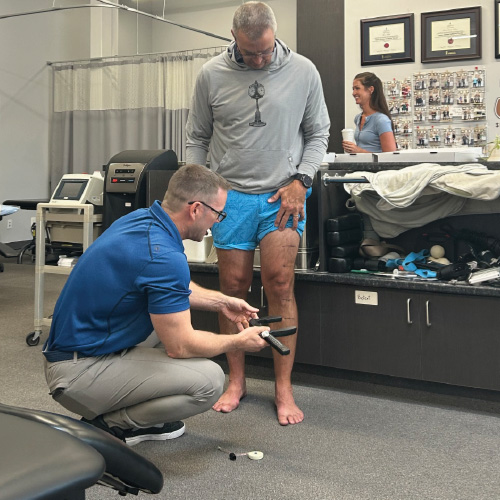
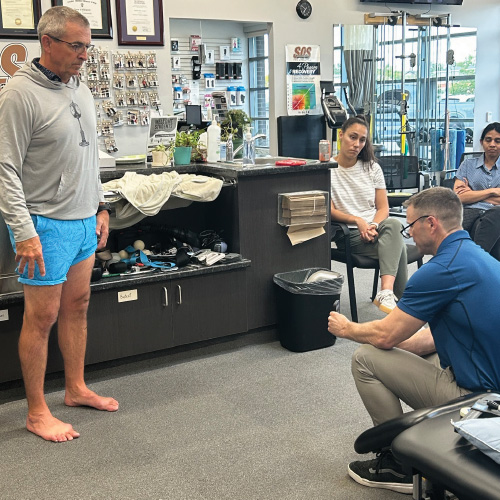
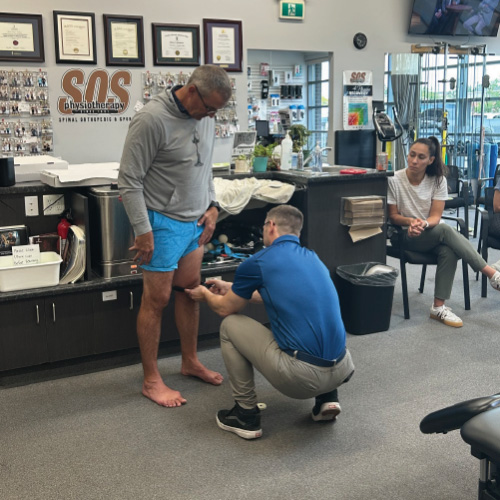
We’re always looking for ways to provide the best possible care for our patients, and that includes continuing to expand our knowledge and expertise. This quarter, our clinical team will be participating in our Grand Mentoring session with our Ossur bracing specialist. During this educational event, our clinicians will learn more about which bracing products are best suited to support specific conditions, as well as how to properly fit each brace to ensure the best possible comfort, function, and outcomes for every patient.
Bracing can play an important role in supporting recovery, managing injuries, and improving day-to-day function for a variety of conditions. Ongoing education like this helps us ensure we’re providing the most up-to-date recommendations and care for our patients.
Did you know we offer bracing services at our clinics? Whether you’ve been wondering if a brace could help with your recovery, have questions about the different products available, or would like to learn more about the fitting process and associated costs, we’re here to help. Feel free to reach out to any of our clinics and speak with one of our knowledgeable clinicians – we’d be happy to answer your questions and help you find the right solution for your needs.

Lifting & Moving Heavy Objects: Dos and Don’ts
Whether you’re moving patio stones, gardening supplies, groceries, or rearranging furniture, lifting is a part of everyday life. Using good movement strategies can help you stay strong, efficient, and reduce unnecessary strain on your body.
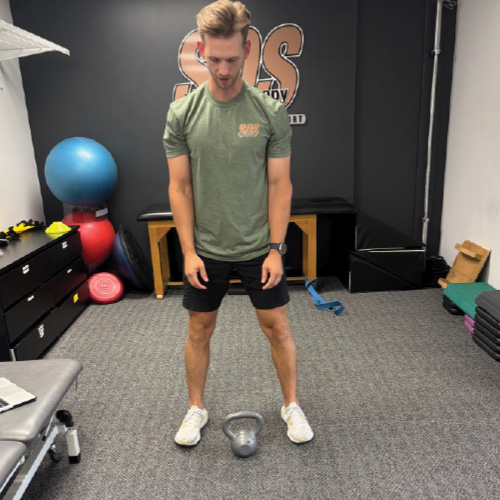
DO: Build a Stable Base
Before lifting, set yourself up for success:
- Position your feet about shoulder-width apart to create a strong base of support.
- Keep your weight balanced through your feet.
- Get close to the object before you lift – avoid reaching and pulling from a distance.
- Take a moment to plan your movement before you start.
A stable starting position gives your body a stronger foundation to generate force and control the load.
DO: Hinge From Your Hips and Use Your Legs
A strong lifting pattern comes from using your hips and legs, not just your back.
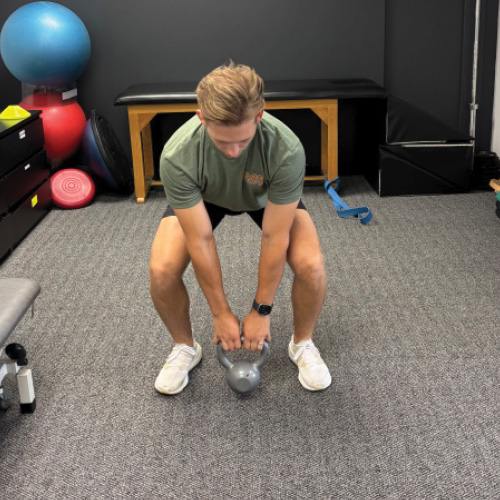
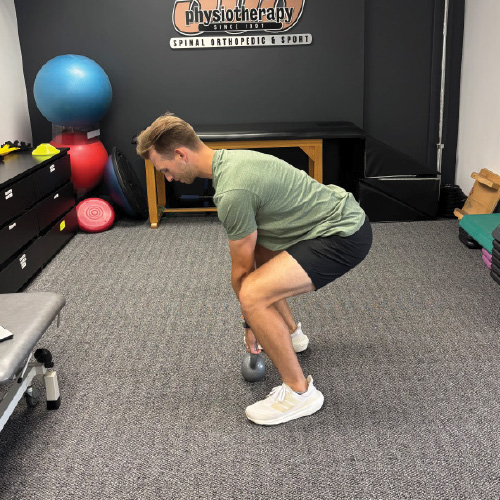
- Bend through your hips and knees while keeping your chest up.
- Push through your feet and use your legs to help lift the load.
- Keep the object close to your body as you move.
- Think about your hips moving back as you prepare to lift, rather than simply bending forward through your spine.
Your hips and legs are some of the strongest muscles in your body. Let them do the work!
DO: Engage Your Core
Your core helps provide stability and control during lifting.
- Before lifting, gently brace your abdominal muscles as if preparing for movement.
- Maintain a strong, controlled posture throughout the lift.
- Avoid rushing—smooth and controlled movements are often more effective than quick, jerky ones.
DON’T: Lift Primarily Through Your Back
Your back is designed to move and tolerate load, but lifting heavy objects by relying only on your back can place unnecessary stress on your body.
Try to avoid:
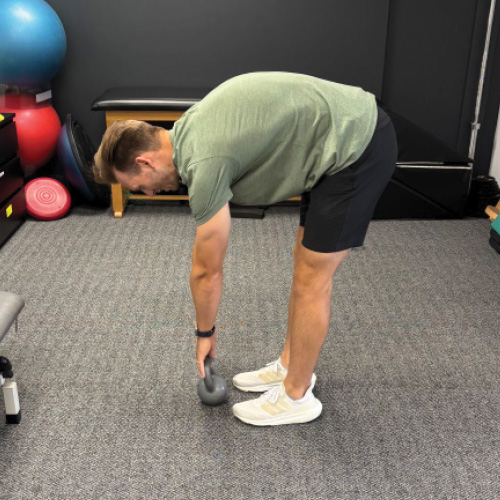
- Bending forward and rounding your back to pick something up.
- Straightening your back to “muscle” the object upward.
- Lifting heavy objects away from your body.
- Twisting while carrying a heavy load.
- Instead, use your hips, legs, and core together to share the workload.
DON’T: Ignore Fatigue
- Many lifting injuries happen when we are tired and our movement patterns start to change.
- Take breaks when needed.
- Ask for help with heavier or awkward objects.
- Break larger tasks into smaller, manageable steps.
The Takeaway
Good lifting isn’t about keeping your back perfectly straight or avoiding heavy objects altogether. It’s about using your whole body effectively by creating a stable base, moving through your hips and legs, and maintaining control throughout the movement.
Whether you’re lifting at home, at work, or during recreation, efficient movement helps you stay active and keep doing the things you enjoy.