


More Than a Kilt: My Journey in Highland Dancing
By: Stephanie MacRae, Patient Experience Manager in Guelph
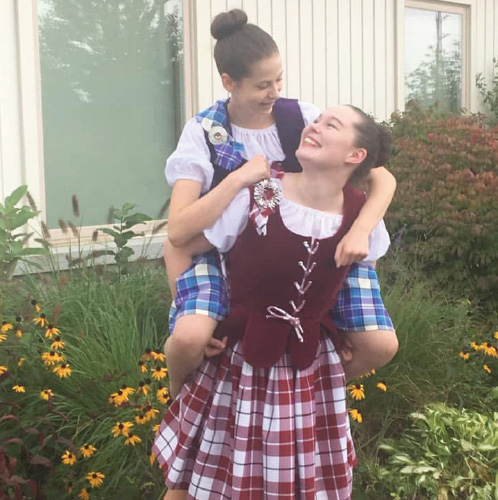
When people ask what I do outside of work, my answer is almost always the same: Highland dancing.
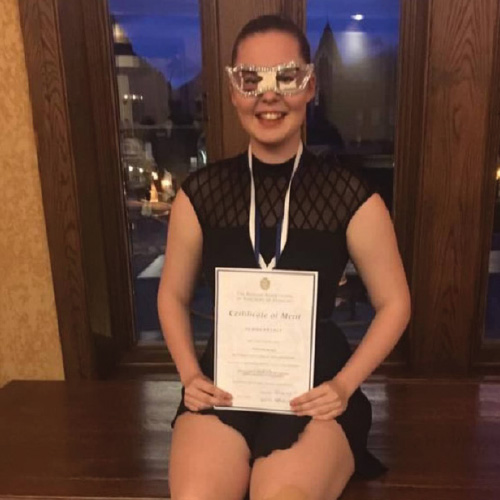
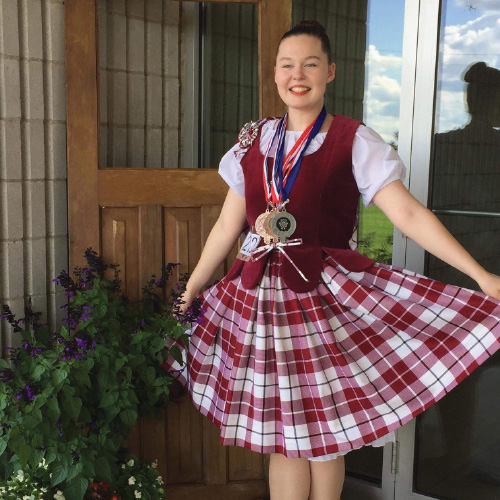
What started as an after-school activity when I was young has grown into one of the biggest parts of my life. Over the last 18 years, Highland dancing has taken me across Ontario, throughout Canada, and even to competitions and events in the United States. It has introduced me to lifelong friends, challenged me both physically and mentally, and connected me to an incredible community that feels like a second family.
Many people recognize Highland dancing from Scottish festivals and Highland Games, while others know it as “that dancing from Outlander.” While the kilts and Scottish traditions are certainly part of the experience, there’s much more to it than the traditional Sword Dance and Highland Fling. Highland dancing is a highly athletic sport that requires strength, endurance, precision, and dedication. Like many sports, it involves years of training, competition, and continuous learning.
One of the things I value most about Highland dancing is the opportunity it has given me to become involved in my local community. While competitions are a big part of the sport, some of my favourite experiences have happened much closer to home here in Guelph.

Every January, our dance school participates in Robbie Burns celebrations throughout the city. These events often take us to retirement and senior living homes, where we perform traditional dances and celebrate Scottish culture with residents. It’s always rewarding to see how much joy these performances bring. Many residents have Scottish roots themselves and love sharing stories and memories that our performances help bring back to life.
Another event I look forward to each year is the Guelph Multicultural Festival. Every June, we have the opportunity to perform alongside groups representing cultures from all over the world. I love being part of an event that showcases the diversity of our city and highlights how music, dance, and culture can bring people together. It’s a great reminder that while our traditions may be different, community and connection are something we all share.
Looking back, Highland dancing has given me far more than medals or competition results. It has provided friendships, travel opportunities, leadership experiences, and countless ways to connect with my community. Eighteen years later, it remains a huge part of who I am, and I am grateful for every opportunity it continues to bring into my life.
If you’re visiting a Scottish festival or Highland Games this summer, keep an eye out—you might see me flying across a stage in a kilt, attempting to look graceful while my legs are questioning all of my life choices. Either way, come say hello! I’d love to share a little piece of the community that has given me so much over the years. Who knows, you might even leave knowing the difference between a Highland Fling and a Sword Dance. Of course, you’ll also see me at our Guelph Clinic Front Desk if you’re coming in for treatment…Stop at the desk and let me know what you are up to this summer.

Find Neck Pain Relief With Physiotherapy
Neck pain — a discomfort that affects countless individuals, often striking at the most inconvenient moments. Whether you’re at work, pursuing your favorite hobbies, or simply trying to get a good night’s sleep, neck pain can be an unwelcome companion.
At SOS Physiotherapy, our skilled therapists have a proven track record of assisting patients in resolving their neck pain. Our comprehensive treatments explore the common causes of neck pain, their risk factors, targeted techniques, and prevention strategies to ensure you resolve your pain and get back to doing what matters most!
Read on to learn how physiotherapy can be a game-changer in finding relief from neck pain!
Understanding Neck Pain
Neck pain can happen for various reasons. It might be due to poor posture, muscle strain, or, in some cases, something more serious like a herniated disc. In other cases, an underlying medical condition can also lead to neck pain.
The neck is a complex part of our body, with bones, muscles, and nerves all working together. When something goes wrong in this delicate balance, it can result in pain and discomfort.
How Physiotherapy at SOS Physiotherapy Can Help
Physiotherapy is all about using exercises and techniques to improve movement and reduce pain. Here’s how it can work wonders for your neck pain:
1. Targeted Exercises
Our experienced therapists are experts at designing exercises that specifically target the muscles and structures causing your neck pain. These exercises are tailored to your needs, ensuring they are effective and safe.
2. Posture Correction
Many of us have less-than-ideal posture, especially when working on computers or looking down at our phones. Our skilled physiotherapists will teach you how to maintain good posture, reducing the strain on your neck muscles.
3. Hands-on Techniques
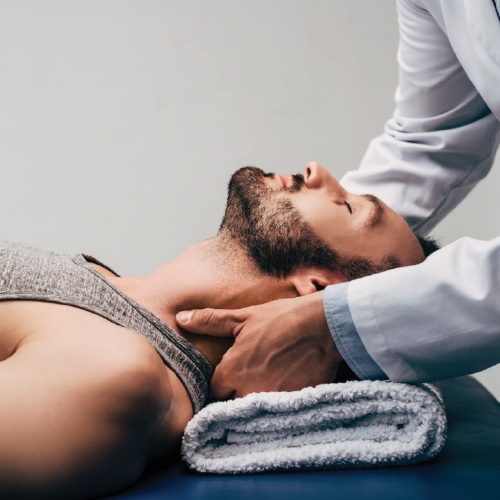
Your therapist may use hands-on techniques like manual therapy techniques or gentle stretches to alleviate muscle tension and improve mobility in your neck joints.
4. Education and Self-care
Understanding how to take care of your neck is essential. Your therapist will provide valuable insights on ergonomics, lifestyle changes, and self-care practices to manage and prevent future neck pain.
Our team stays up-to-date on the most advanced treatments and will adjust your program as needed. We will give you the tools to resolve your current episode of pain so you can get back to doing what you love!
What to Expect During Physiotherapy
On your first visit, your physiotherapist will conduct a thorough evaluation. They will ask about your medical history, assess your range of motion, and discuss your pain symptoms.
Once they have a clear picture, they will create a personalized plan for your recovery. This plan will include specific exercises and techniques tailored to your condition. You’ll work closely with your therapist, who will monitor your progress and adjust as needed.
Here are some of the benefits you can expect from physiotherapy for neck pain:
- Pain Relief: The primary goal of physiotherapy is to reduce your pain and discomfort. With targeted exercises and techniques, many people experience significant relief.
- Improved Mobility: You’ll likely notice improved neck mobility as you progress through your therapy. This means you can turn your head more easily and without pain.
- Better Quality of Life: Neck pain can limit your daily activities. Physiotherapy can help you regain your ability to do things you love, like gardening, playing sports, or even just enjoying a pain-free night’s sleep.
- Preventing Recurrence: Our physiotherapists don’t just treat the symptoms; they also work on preventing future episodes of neck pain. By learning better habits and exercises, you can reduce the chances of neck pain returning.
If you’ve been dealing with neck pain, physiotherapy might be the solution you’ve been looking for. Reach out to our physiotherapists and work towards a pain-free future.
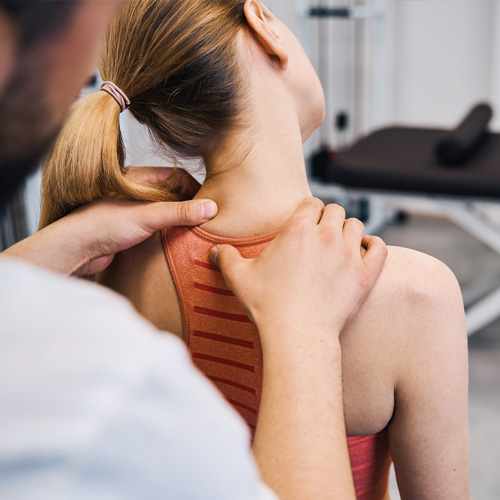
Take the First Step Towards Neck Pain Relief — Schedule Your Consultation Today!
At SOS Physiotherapy, we understand that neck pain can affect individuals from all walks of life. If you’re dealing with neck pain or want to prevent it from interrupting your life, reach out to us today, and let us help you create your own success story!
10 Tips To Make Sure You’re Ready For Spring & Summer Sp☀️rts

1. Start with a Health Check-Up
Before you dive into any sports activities, it’s wise to get a physical check-up at SOS Physiotherapy. This helps ensure you’re healthy and can safely participate in your chosen sport. If you have any pre-existing conditions, discuss with your doctor how to manage them while being active.
2. Gradual Conditioning
If you’ve taken a break during the winter months, it’s crucial to ease back into your sports routine. Start with light exercises and gradually increase intensity to avoid injuries. Remember, your body needs time to adjust to the physical demands of sports activities.
3. Sport-Specific Training
Tailor your training to the specific demands of your sport. For example, if you’re planning to play tennis, focus on exercises that enhance agility, hand-eye coordination, and upper-body strength. Each sport has unique requirements, and your training should reflect that.
4. Focus on Mobility
Incorporate stretching, mobility work, and dynamic warm-ups into your daily routine. Mobility work, like learning a sports-specific dynamic warm-up improves performance and decreases the risk of injuries.
5. Strengthen Your Core
A strong core is vital for almost every sport. Core strength improves stability, balance, and overall athletic performance. Our therapists will teach you exercises that help strengthen your core in your workout routine.
6. Hydration and Nutrition
Proper hydration and nutrition are the fuel for your sports activities. Stay hydrated, especially in warmer weather, and eat a balanced diet rich in proteins, carbohydrates, and healthy fats. Remember to load up on fruits and vegetables for vitamins and minerals.
7. Invest in Quality Gear
Using the right gear is not just about performance but also about preventing injuries. Invest in suitable quality footwear that is appropriate to your sport, and consider gear like helmets, knee pads, or wrist guards where necessary.
8. Mental Preparation
Mental toughness is just as important as physical fitness. Our therapists can help guide you on tools that help to develop a positive mindset, set realistic goals, and use visualization techniques to prepare mentally for your sport.
9. Rest and Recovery
Your body needs time to recover after intense physical activity. Ensure you get enough sleep and consider rest days as a part of your training program. Overtraining can lead to burnout and injuries.
10. Learn or Refresh Skills
If you’re trying a new sport or haven’t practiced in a while, consider taking lessons or refreshing your skills. Understanding the basics and techniques can greatly enhance your enjoyment and performance in the sport.

These Caesar-Marinated Chicken Kabobs with Zucchini and Grilled Romaine bring bold summer flavor to the table with juicy grilled chicken and fresh seasonal vegetables. It’s a satisfying, protein-packed meal that’s perfect for cookouts, weeknight dinners, or healthy outdoor dining.
Enjoy This Seasonal Healthy Recipe!
Caesar-Marinated Chicken Kabobs with Zucchini and Grilled Romaine
- 2 anchovy fillets, finely chopped
- 1 small garlic clove, minced or grated
- ⅓ cup grated Parmigiano Reggiano
- ¼ cup fresh lemon juice
- 5 Tbsp Greek Yogurt
- 1 Tbsp extra-virgin olive oil, plus more if needed for the romaine
- 1 ½ tsp Dijon mustard
- ½ tsp freshly ground black pepper
- 1 ¼ pounds skinless boneless chicken breast or thighs, cut into 1-inch cubes
- 8 long wooden or metal skewers
- 1 zucchini
- 1 large or 2 small heads romaine
- ½ tsp kosher salt
- Cooking spray
To make the Caesar marinade
- Add the anchovies, garlic and pepper to a large bowl and use your fork to mash into a paste.
- Add the cheese, lemon juice, yogurt, 1 Tbsp olive oil, mustard, and pepper and stir to combine.
- Reserve half for serving.
- Add the diced chicken to the bowl with the remaining dressing and stir to coat.
- Set aside to marinate at room temperature for 30 minutes or refrigerate overnight.
For the kabobs
- If using wooden skewers on an outdoor grill, soak them in water for at least 30 minutes.
- Trim the ends from the zucchini, halve it lengthwise, and cut it into semicircles between ½- and 1-inch thick.
- Separately, cut the romaine in half (if using small heads) or quarters (if using a large head), leaving the root ends intact.
- Lightly spray or coat the cut sides with oil.
- Thread the chicken onto doubled skewers, alternating every few pieces with a slice of zucchini, for a total of 4 kabobs. Place the kabobs on a large plate or baking sheet and, when they’re assembled, season lightly with salt.
- Preheat the grill with medium-high heat and oil the grates. Grill the kabobs for 6 to 8 minutes total, turning every 2 to 3 minutes, until the chicken is cooked through and well browned.
- When the chicken is done, grill the romaine flat side down until it’s lightly charred in places but still bright green and crisp, about 30 seconds per side.
- Serve the romaine alongside the kabobs and drizzle the remaining marinade over both.

Try These Exercises!
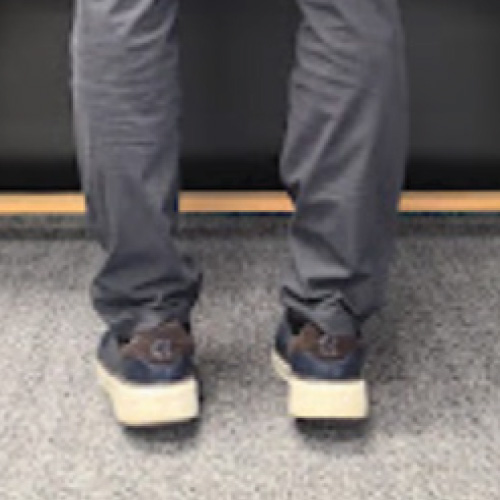
Calf Strengthening Exercise
Stand at a counter or table for support. Do 2-3 sets of 15 repetitions, double leg up, alternate single leg down for 3 seconds, rest 60-90 seconds between sets, 3 times per week. It is normal to feel some fatigue in the calf muscles, but do NOT continue through pain.
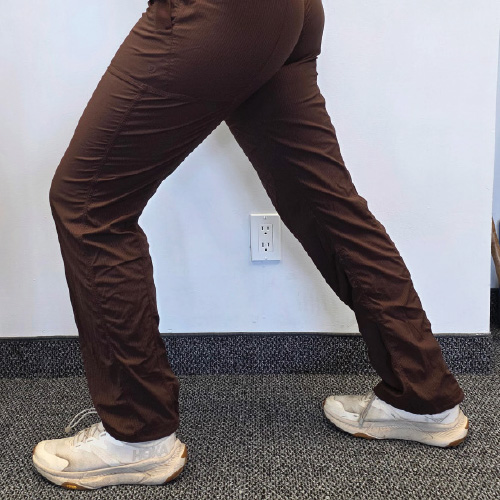
Calf Stretch (Standing)
Stand facing a wall, using it for support only if needed. Step one foot back into a lunge position, keeping the back knee straight and the back heel flat on the floor. Lean gently forward until you feel a stretch in the calf of the back leg. Hold for 30 seconds, then switch feet and repeat. Complete 3 sets on each side.
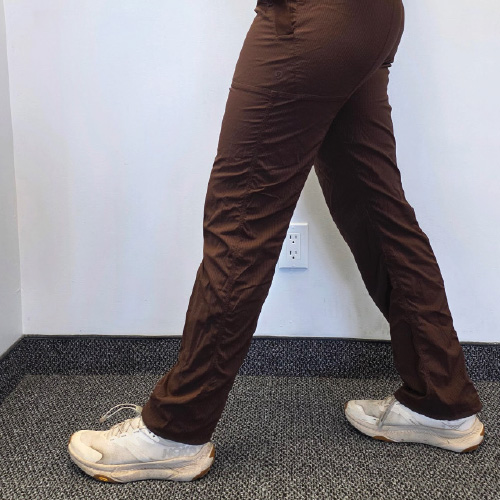
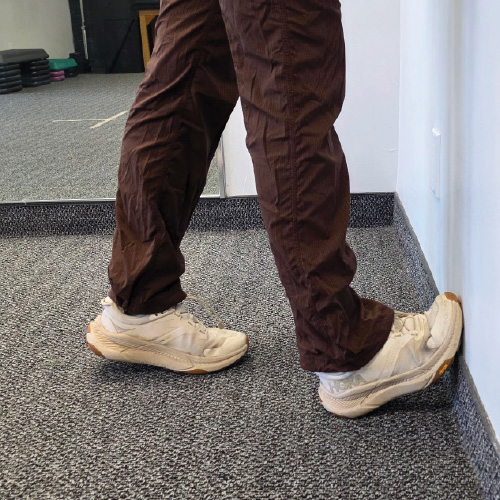
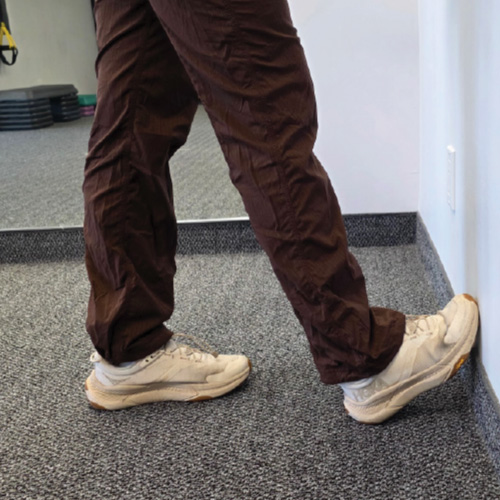
Calf and Foot Stretch
Stand facing a wall, using it for support only if needed. Wear shoes for this stretch, as doing it barefoot can place excessive strain on your toes. Step one foot forward and place your toes and the ball of that foot against the wall, with your heel remaining on the floor. Keeping that front leg straight, lean gently forward until you feel a stretch through the calf of your front leg. Hold for 30 seconds, then switch feet and repeat. Complete 3 sets on each side.
Ergonomics for Neck and Back Pain
A few simple strategies can make a big difference in preventing and alleviating neck and back pain. These strategies are part of a field of study known as ergonomics, which seeks to optimize the spaces in which humans live and work for both comfort and productivity.
Here are some PT-approved ergonomic tips for promoting good postural awareness and reducing strain on the muscles that support your spine:
Adjust Your Workspace
Ensure that your desk, chair, and computer monitor are ergonomically aligned. Your computer screen should be at eye level to avoid straining your neck by looking up or down. Use an adjustable chair with good lumbar support to maintain a neutral spine position.
Use Proper Lifting Techniques
Never lift a heavy item above your shoulders or twist your upper body. It’s also important to keep your feet shoulder-width apart with your head up and in line with your shoulders and back.

Take Frequent Breaks
Incorporate regular breaks into your routine to stand up, stretch, and move around. Prolonged sitting can contribute to back pain, so aim to stand or walk for a few minutes every hour to relieve pressure on your spine.
Maintain Good Posture
Whether sitting, standing, or moving, maintain proper posture by keeping your shoulders relaxed, spine aligned, and feet flat on the floor.
Looking for more ergonomic tips? Schedule an appointment at SOS Physiotherapy!
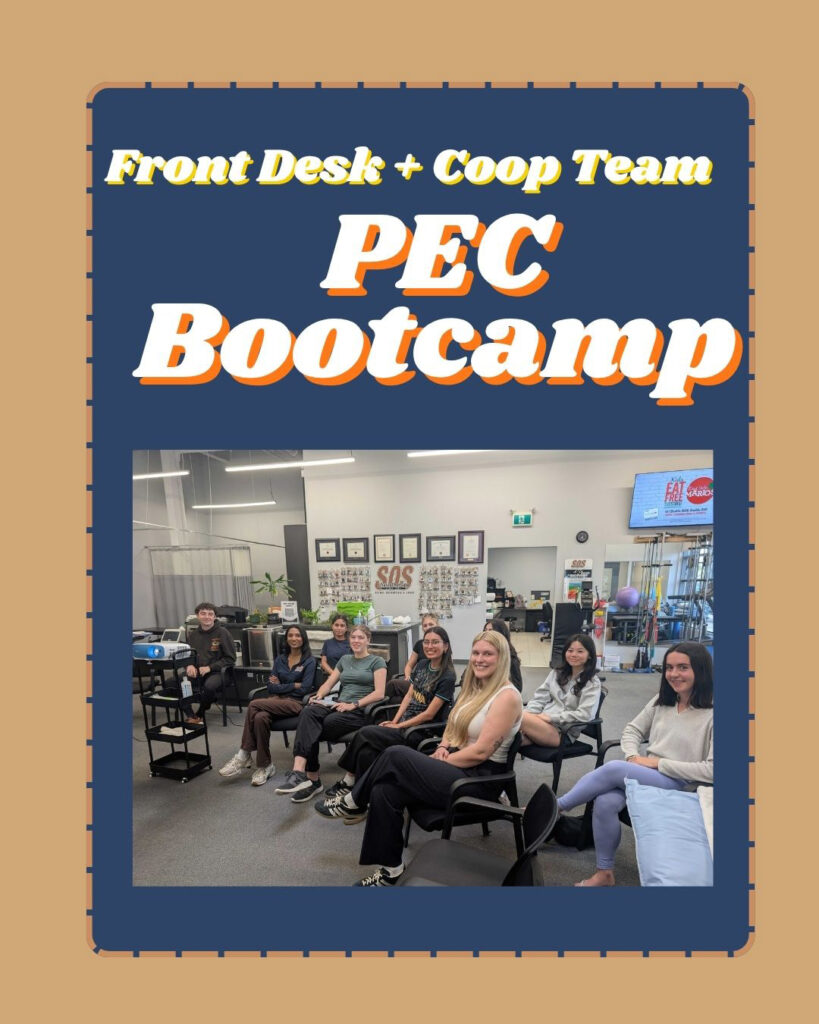
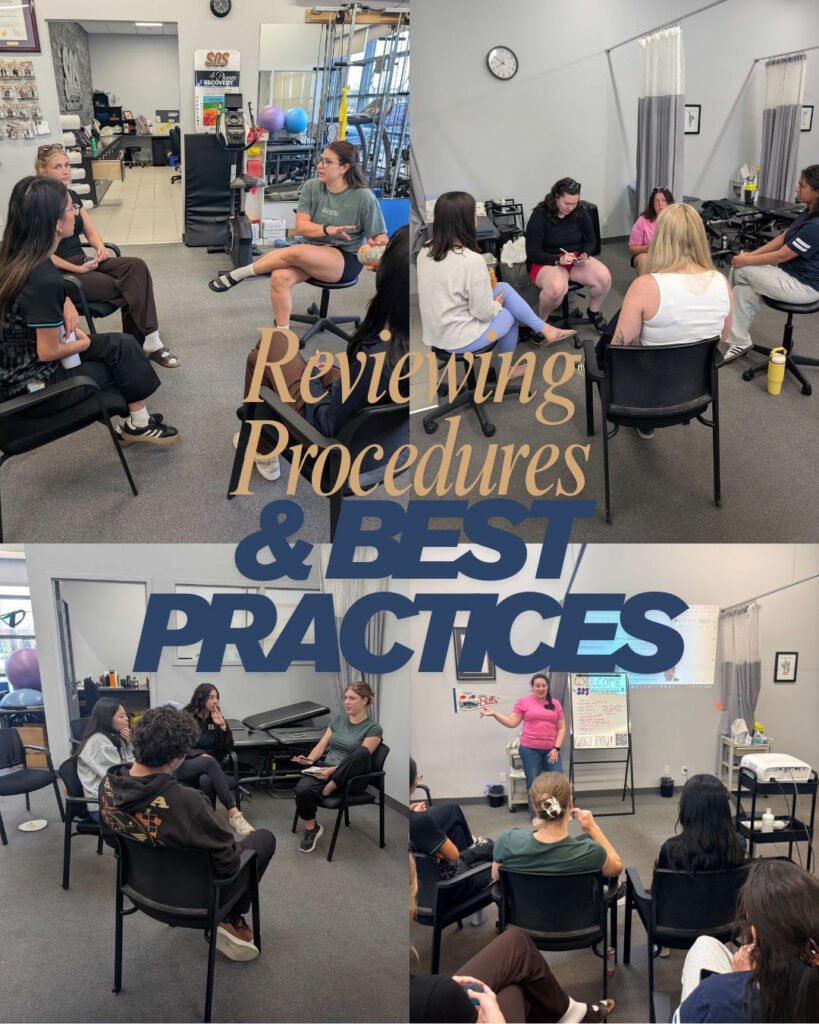
PEC Boot Camp
Our front desk staff and co-op students recently completed PEC boot camp, reviewing best practices and building on the skills that help us deliver an exceptional experience for our patients! We believe we are never done learning and growing. It also serves as a great way to keep our front desk patient service skills fresh.
Spring Quarterly Meeting
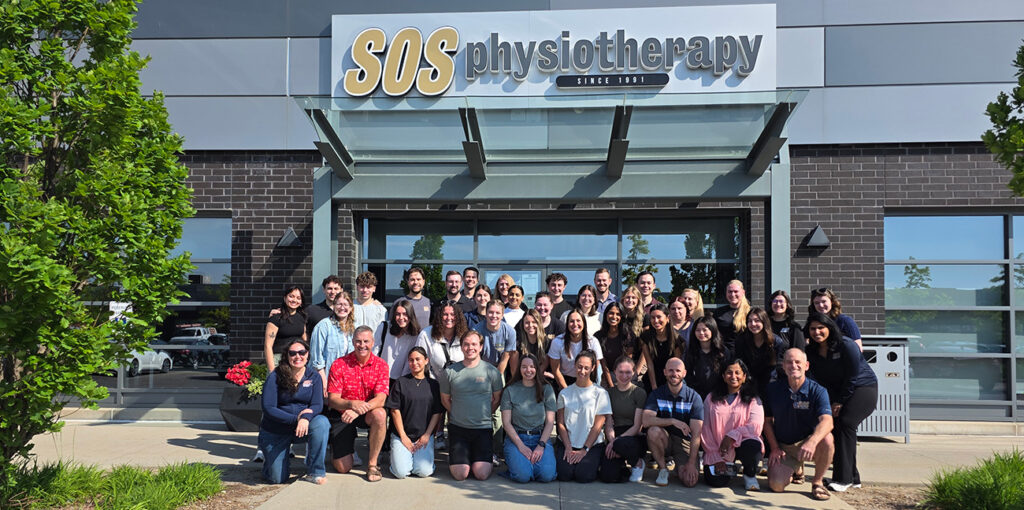
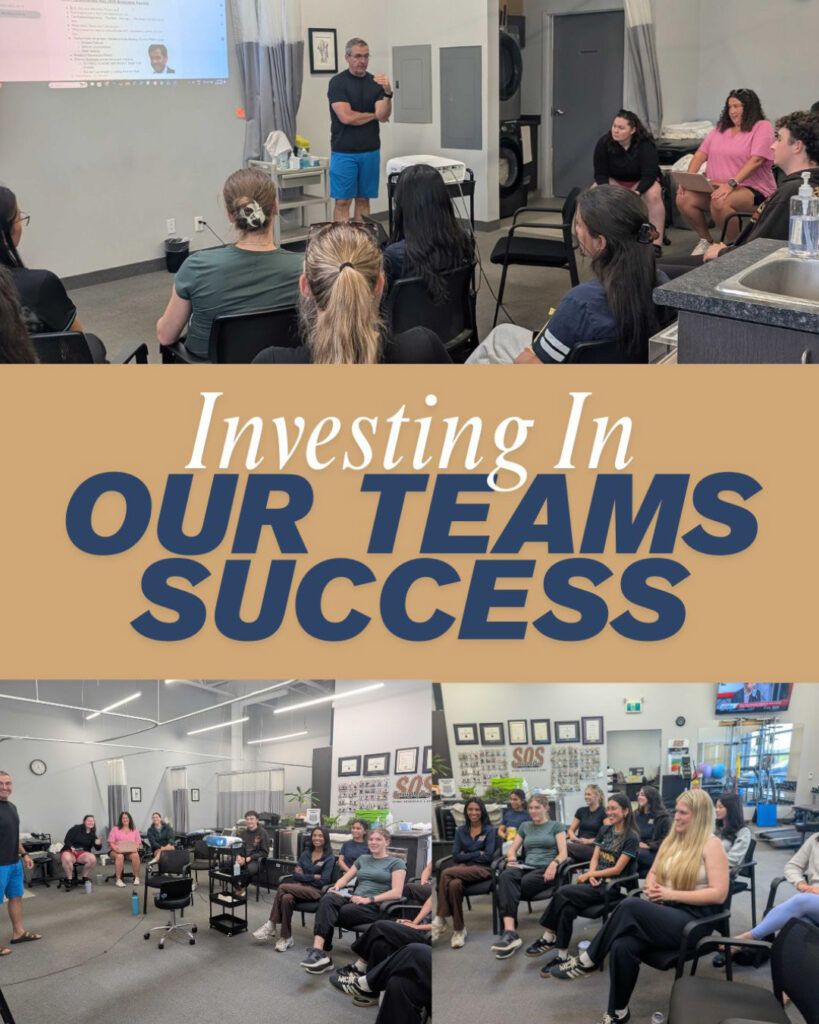
Every quarter we meet as a whole organization to get to know our colleagues from other clinic locations from our own, as well as to hone our skills as a group and always remember why we do what we do.
For this meeting, we had Physiotherapists Alana Streicher and Adam Hanton-Fong in the ‘hot seats’. They were interviewed in front of the group to highlight skills they have excelled at and share their knowledge. We also always award 2 individuals who have gone above and beyond at expressing our core values. This quarter we recognized our co-op student (and Instagram coordinator) Carlyn Hiley and physiotherapist Adam Hanton-Fong. Congrats you two! Always love getting the whole group together!