
A Night to Remember: Celebrating Love and Tradition
By: Mehakpreet Sandhu, PT
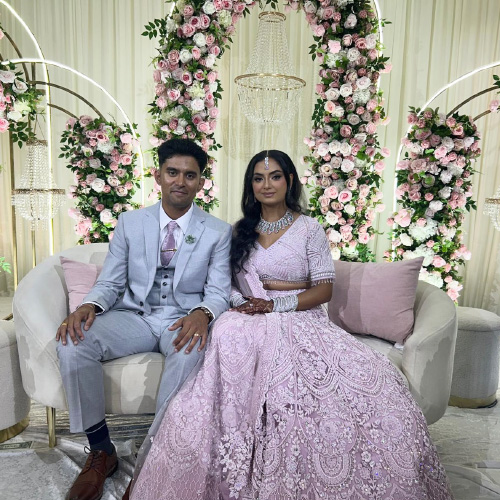
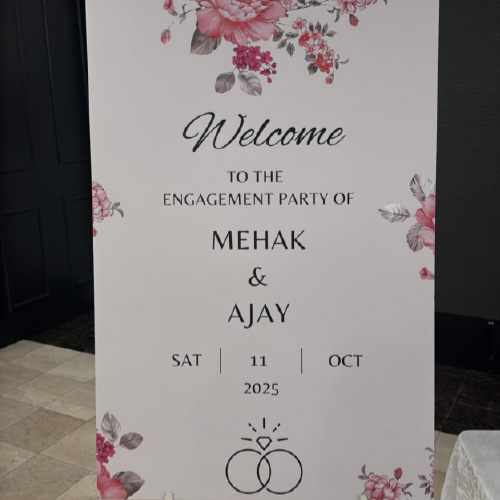
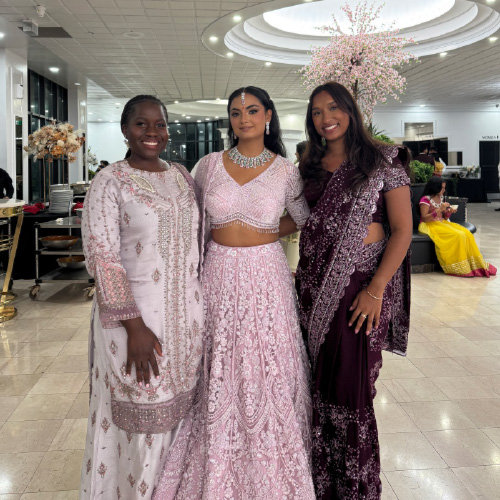
Hello everyone! My name is Mehakpreet Sandhu (Mehak), and I am a PT Resident at the Belmont SOS Physiotherapy clinic. I recently joined the clinic in September, and it has been a wonderful experience getting to know the team and working with our amazing patients. In this newsletter, I wanted to share a special event that brought immense joy to me and my family. This consisted of my engagement party, which took place on October 11, 2025, at Speranza Banquet Hall.
In Punjabi culture, celebrations are filled with love, tradition, families, food, and vibrant preparation, and mine felt the same. The excitement truly began two days before the event, as I got ready with beautiful traditional customs. One significant tradition is applying henna (mehndi) on the hands, which is considered auspicious for soon-to-be brides. I also carefully chose jewelry including a necklace, earrings, and lots of colorful bangles to match my outfit and embrace the bridal feeling.
The day of the event was incredibly heartwarming. It was the first time in years that many of our extended family members had gathered, and seeing everyone together made the night even more meaningful. Since both me and my fiancé Ajay are the first children in our families, this celebration was especially important for our parents; it was the first big event that will lead up to our wedding next year in July.
We welcomed nearly 300 guests, which may seem like a large number, but is truly expected at a Punjabi celebration! Each person who attended held a special place in our hearts and made the evening complete. On the day of the event, we began with photos at the beautifully decorated venue. The décor team perfectly brought our vision to life with stunning colors and elegant centerpieces. After taking family photos, our wonderful emcees started the event.
A highlight of Punjabi events is the performances, and ours was something that the guests loved a lot! Me and Ajay prepared performances, along with our siblings, cousins, friends, and even our parents. These performances were not only fun but also meaningful, a way to show respect to our guests and build deeper connections between the two families. Through rehearsals, I bonded more with Ajay’s family, which made the night even more memorable.
We also took part in a traditional engagement ceremony called the shagan. This ritual involves both families exchanging gifts as a way of offering blessings and formally welcoming each other into their lives. This symbolizes the union of two families, not just two individuals.
The night ended with hours of energetic dancing right until 2 a.m.! Although planning such a large event came with stressful moments and many voices to consider, every bit of effort was worthwhile. I am especially grateful to my mom, who ensured the performances were well-planned and the music was perfect.
Overall, it was an unforgettable evening filled with love, happiness, and blessings. I tried my best to stay present, enjoy each moment, and not worry about perfection. Both Ajay and I are incredibly thankful for our families’ support in bringing this special day to life.
Thank you for reading. I hope this helped you get to know me a little better!

The Link Between Poor Posture and Pain
And How Postural Awareness Can Help You Find Relief
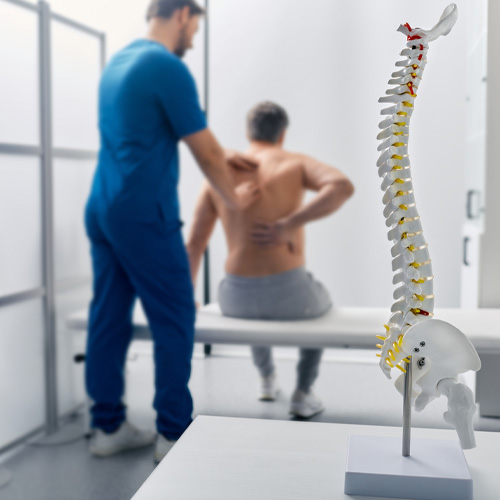
Posture isn’t just about looking your best. How you hold your body when you stand, sit, and move throughout the day can play a significant role in developing–or preventing–headaches, neck pain, and back pain.
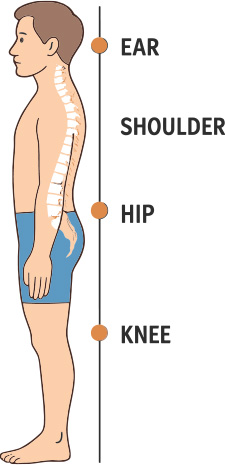
The key to avoiding posture-related pain? Postural awareness. This concept involves recognizing and maintaining proper body alignment no matter what you’re doing throughout the day. By paying attention to your posture as you sit, stand, and move through your day-to-day life, you can identify and address potential posture-related problems before they escalate.
Take a moment to notice your posture, then keep reading to see how it could be affecting your body.
Four Ways Poor Posture Can Cause Pain
Migraines and Headaches
The way you hold your neck and shoulders can contribute to tension headaches and migraines. For example, slouching at your desk strains muscles and joints in the upper back and neck region, which can refer pain to the head.
Fortunately, improving posture through postural awareness, proper ergonomics, and targeted exercises can relieve this strain and reduce the frequency and intensity of headaches.
Neck Pain
Prolonged forward head posture or hunching over computers, tablets, or phones can cause neck pain and stiffness. Identifying and maintaining your ideal posture while sitting can help alleviate neck pain by reducing muscle tension and promoting proper joint position.
Upper Back Pain
Slouching or rounded shoulders can result in upper back pain. Strengthening the upper back muscles, correcting rounded shoulder posture, and incorporating regular movement breaks can significantly reduce upper back discomfort and improve overall posture.
Lower Back Pain
Sitting with poor posture, such as slumping or excessively arching the lower back, can lead to lower back pain. Working to restore or improve mobility, strengthening the core muscles, practicing proper sitting and standing posture, and using ergonomic supports like lumbar pillows or chairs can help alleviate lower back pain by providing support and reducing strain on the spine.
Improving Your Posture with Physical Therapy
The good news? You don’t have to correct your posture on your own. The team at SOS Physiotherapy has the training and experience to help reduce pain and mobility restrictions, build strength in your back and neck, and help you enhance your overall posture. Here’s what you can expect:
Postural Assessment
We’ll conduct a comprehensive postural assessment by evaluating your standing, sitting, and walking posture to identify any misalignments, limitations in motion, or areas of tension. By understanding your unique postural patterns, we can tailor a treatment plan to address specific areas of concern.
Manual Therapy
We often use hands-on techniques such as soft tissue manipulation, joint mobilization, or myofascial release to address areas of muscle tightness or joint stiffness. These techniques can help improve range of motion, reduce pain, and enhance overall postural alignment.
Muscle Strengthening
This involves targeted exercises to strengthen muscles that support good posture, such as the neck, upper back, and core muscles. Building these muscle groups helps stabilize the spine and shoulders, reducing neck strain and alleviating pain.
Education and Awareness
Perhaps most importantly, our physical therapists will help you understand the connection between your posture and your pain. You’ll learn ergonomic principles for sitting and standing, techniques to maintain a neutral spine, and strategies to avoid common postural pitfalls.
Start Working on Your Posture Today!
Unfortunately, the demands of daily life can dramatically impact your back and neck. However, you can work to avoid many of these concerns by cultivating postural awareness, correcting posture problems with our physical therapists, and adopting healthy habits.
Our team will work to equip you with the knowledge and skills you need to maintain proper posture long-term, alleviate and prevent pain, and promote overall spinal health. Don’t let discomfort slow you down. Come visit our clinic today!
Mental and Physical Recovery After Birth: Free Postpartum Webinar
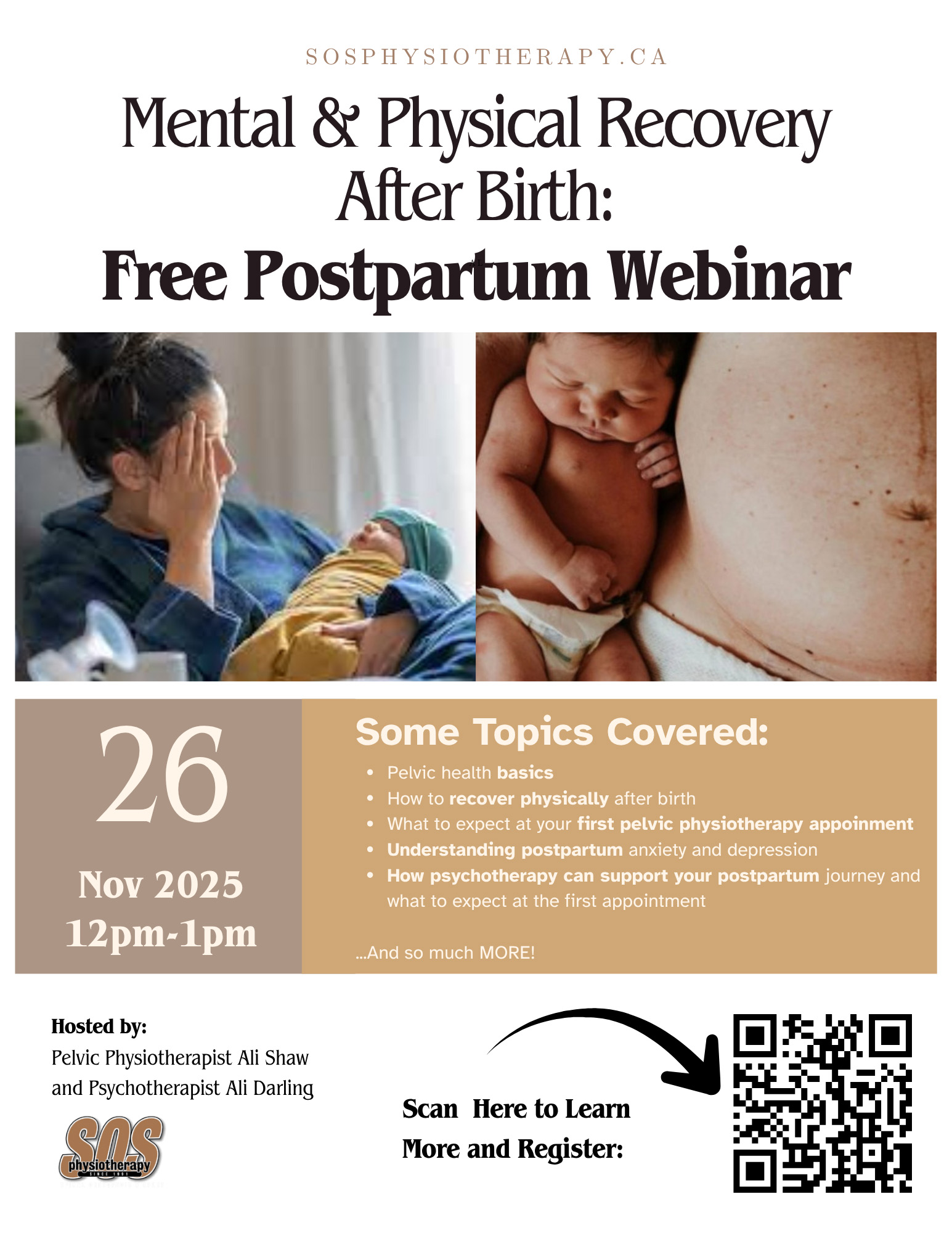
We are pleased to announce our upcoming virtual webinar, Mental & Physical Recovery Postpartum, taking place on Wednesday, November 26th at 12:00 PM. This one-hour session will be led by Pelvic Health Physiotherapist, Ali Shaw, and Psychotherapist, Ali Darling, who will provide an informative and supportive overview of the postpartum recovery process. Topics will include pelvic floor anatomy and function, common pelvic health concerns following childbirth, and differences in recovery between vaginal and cesarean births.
The webinar will also highlight how pelvic floor physiotherapy can assist in minimizing dysfunction, promoting healing, and facilitating a safe return to valued daily activities. In addition, participants will gain insight into postpartum mental health, including anxiety, depression, and the impact of trauma on identity and relationships, while also normalizing the unique challenges and joys of motherhood. Attendees will learn what to expect when seeking both physiotherapy and psychotherapy care postpartum, and will have the opportunity to ask questions throughout the session.
Join us as we guide and empower new mothers through their recovery journey!
SOS PT: Student Spotlight
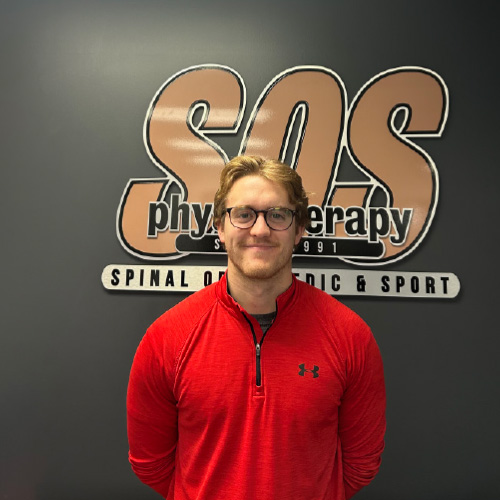
Rhys Britton (Physiotherapy Student at Belmont)
Rhys is a Physiotherapy Student from Western University currently completing his second clinical placement at SOS Belmont. He completed his Bachelor of Science (Honours) in Kinesiology at Queen’s University in Kingston, Ontario. Rhys has a strong interest in orthopaedics, sports injuries, and exercise-based rehabilitation. His background as a lifelong hockey and volleyball player, along with his experience in a strength and conditioning internship at Queen’s, has shaped his evidence-informed and active approach to physiotherapy. He values helping patients move with confidence and return to the activities that matter most to them. He looks forward to expanding his clinical skills in manual therapy, concussion management, and other advanced treatment techniques. Outside of the clinic, you’ll find Rhys staying active—whether that’s playing sports, working out, or spending time outdoors.
Siying Luan (Physiotherapy Student at Northfield)
Siying is a second-year Physiotherapy student in the Master of Physical Therapy program at Western University. She lives in London, Ontario and moved to Waterloo for her placement with SOS Physiotherapy! After graduation, she looks forward to working in an orthopedic clinic. She is interested in several areas within physiotherapy, including manual therapy, acupuncture, sports physiotherapy, and women’s health (pelvic health). Outside of her studies, she enjoys reading, going to the gym, and playing musical instruments such as the piano and guitar. In her spare time, she also likes to stay active through sports including golf, soccer, and badminton.

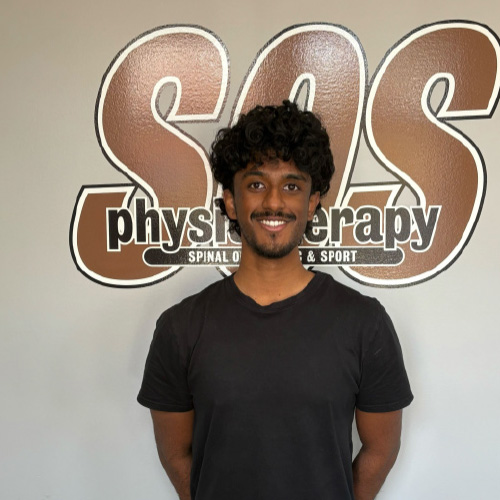
Jaden Philip (Physiotherapy Student at Elmira)
Jaden is a second-year master’s student in physical therapy at Western, on a clinical placement at SOS Elmira. Jaden is from Brampton, Ontario, and completed his Bachelor of Science in Biomedical Science at The University of Guelph. Jaden’s interest in physical therapy came from growing up playing sports, an interest in science, and wanting to have a career that combines those interests while being able to help others. In his spare time, Jaden enjoys playing sports, playing the piano, and spending time with friends and family.

Mentoring Corner
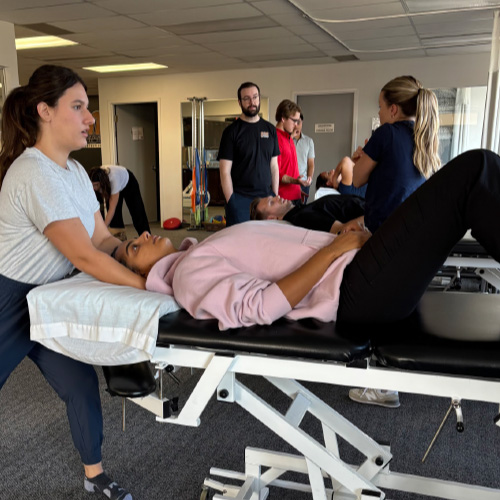
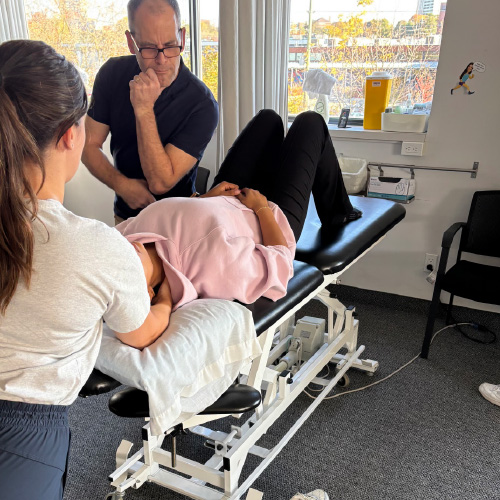
At SOS Physiotherapy, we believe in continuous learning, and mentorship is at the heart of how we strengthen our skills and elevate the care we provide. Every Wednesday from 10:00–11:00 a.m., our entire team comes together for dedicated mentoring rounds. This time is purposefully built into everyone’s weekly schedule to ensure learning and professional development.
These mentorship sessions provide a collaborative environment where clinicians, volunteers, and front desk staff all participate in meaningful discussions. We review physiotherapy assessment and treatment techniques, analyze cases, and explore different approaches to care. By sharing knowledge and clinical experiences, we continue to grow not only as individual practitioners but as a united healthcare team.
A key focus of Mentorship is the discussion of complex or challenging patient cases. Each member brings unique expertise and perspective, whether from years of practice or emerging academic knowledge. This collective approach allows us to better understand patient needs and expand our toolbox of treatment solutions. Mentoring also helps strengthen communication, confidence, and clinical reasoning skills. It encourages open dialogue where questions are welcomed, innovative ideas are supported, and continuous improvement is celebrated. This shared learning culture ultimately translates to improved outcomes and a better patient experience.
At SOS Physiotherapy, we believe that exceptional care grows from teamwork, curiosity, and compassion. Mentorship Wednesdays ensure that we are always learning, evolving, and working together to provide the very best support for our patients and our community.
Dos and Don’ts of Leaf Raking
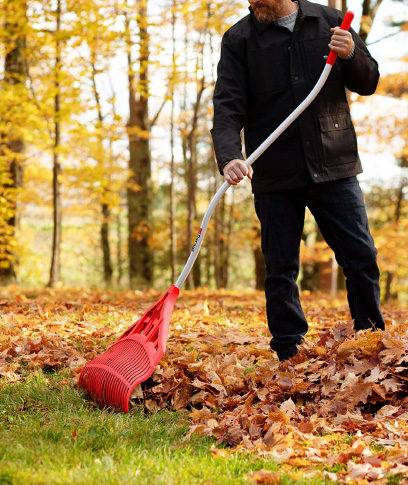
DOs (Healthy Habits)
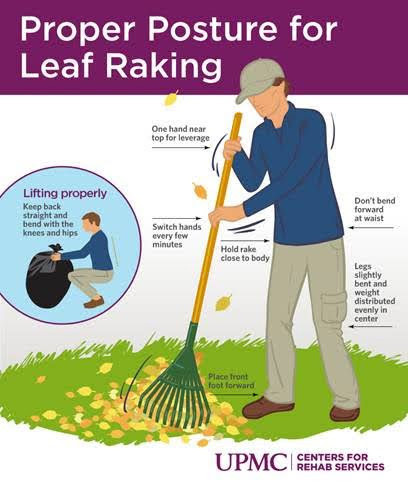
Maintain a neutral spine and gently engage your core
Bend at hips and knees (mini-squat technique)
Switch sides every 5–10 minutes
Keep the rake close to your body with relaxed shoulders
Pivot with your feet to change direction
Take short breaks every 15–20 minutes
Use light grip and ergonomic handle if possible
Wear supportive shoes to maintain stability
Warm up before starting (marching, shoulder rolls)
Stretch after to reduce muscle tension
DONT’s
Don’t hunch forward or round the back
Don’t bend only from the back to reach low piles
Don’t rake from only one side the entire time
Don’t overreach with arms extended too far
Don’t twist your spine while pulling leaves
Don’t try to finish all at once through fatigue
Don’t grip too tightly, which strains wrists/forearms
Don’t work on uneven or slippery surfaces without care
Don’t start while cold or stiff
Don’t ignore pain, sharp or radiating discomfort is a sign to stop
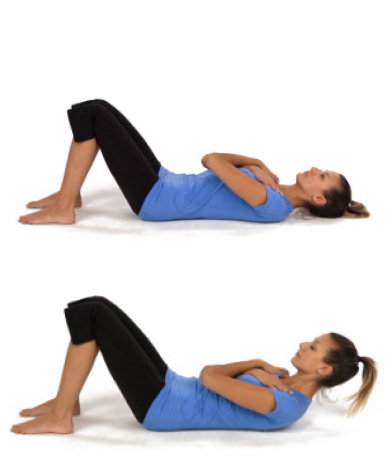
Exercise: How to Perform a Crunch
Crunches are a foundational core exercise used in physiotherapy and fitness programs because they strengthen the anterior core, especially the rectus abdominis. When performed correctly, they contribute to improved core stability, better postural support, enhanced functional strength, and lower back protection.
To perform a crunch:
- Lie on your back with your knees bent and arms crossed on your chest.
- Tuck your chin in and lift your upper body up enough to lift your shoulder blades from the ground while exhaling.
- Return slowly to the initial position while inhaling and repeat.
- To progress, repeat with your hands behind your head or with your arms stretched out overhead.