




Chasing Hockey Across Canada
By: Ali Shaw is a Physiotherapy Resident/Pelvic Health Physio Resident at SOS Northfield.
Growing up, my family were casual Leafs fans. Hockey night in Canada was my dad watching Matt Sundin and Tie Domi play on a tiny, grainy TV. When my older brother broke his leg, he got a few of the players to sign the cast at a community event.
As I got older, I didn’t watch much hockey, and there weren’t many places to find it outside a cable subscription. It wasn’t until the pandemic that my husband and I thought that we should put on a game for something to watch during the infamous NHL bubble season. He was also a Leafs fan growing up, in the way most southwestern Ontario kids were in the 90s, but he, too, hadn’t been following it for many years. It felt particularly Canadian to get back into watching the Leafs – learning new names, and trying to remember what the rules were.
When I went to physio school in Toronto, I kept watching. On nights I would stay up to study, it would keep me going as my background soundtrack. I’d video call my husband and we’d chat about the games, and we became more invested fans, almost by accident.
Now the trouble is that Leafs games have strict blackout rules. As anyone watching online knows, you have about a fifty-percent chance you’re going to be able to watch the Leafs on a weekday if you live anywhere near the GTA. So (despite our shared history and our familial loyalties) we had to branch out. We started watching any Canadian teams, and bonus points if I could line up games one after the other across different time zones. While I will always be a Leafs fan, the Winnipeg Jets definitely have become a particular favourite of mine. The Oilers, the Canucks, we’ll watch them all, but there’s an influx of NHL jerseys that can be found in my house now, and the majority seem to be Jets navy blue.

We decided that we wanted to see a game live. We’d been to the Aud for Kitchener Rangers games, but neither of us had gone to an NHL game before. We scored tickets at the very top row of seats at Scotiabank Arena for a birthday of mine, watching the Leafs play the Colorado Avalanche. After that, came the question – who would we see next?
If you’re curious – you can drive to Ottawa, stay a night at the official Senators’ hotel, and get halfway decent seats for about the cost of two Leafs tickets on a Saturday night. You can also plan a weekend trip to Pittsburgh to watch Sidney Crosby play live – for just over the cost.
While seeing Winnipeg was at the top of our list, the ticket price for plane tickets put it out of our reach this year, so most recently we headed back to Ottawa to watch them play the Sens. It was an amazing experience to get to sit (almost) at ice level, right beside the Jets’ bench, and watch the line changes and the goalie conversations up close.
It’s become a goal of ours to see every Canadian team play in their home arena. Calgary seems to be in the cards this year, and hopefully Montreal next year. From something that we grew up with, hockey has become something different. It’s gotten us back on outdoor ice during the winter, let us see more of our country, and helped us understand what makes it so special to so many people.
And if the teams we go to see don’t end up winning at home? Well, it’s just good hockey we got to watch, and more of the country we got to see. And we’re no strangers to hockey disappointment – both of us grew up as Leafs fans, remember?



Building a Strong Core to Help Relieve Back Pain
Back pain is one of the most common reasons people seek physiotherapy, and for good reason. Whether it’s a dull ache after long days at a desk, stiffness first thing in the morning, or sharp discomfort with movement, back pain can affect nearly every part of daily life. One of the most effective and often misunderstood ways to manage and prevent back pain is by building a strong, functional core.
What Is the “Core,” Really?
When most people hear the word core, they think of six-pack abs. In reality, the core is much more than that. It includes a group of muscles that surround and support your spine and pelvis, such as the deep abdominal muscles, back muscles, diaphragm, and pelvic floor. These muscles work together to stabilize your spine during everyday movements like walking, bending, lifting, and even sitting.
When your core is weak or not working efficiently, your spine doesn’t get the support it needs. This can lead to increased strain on the lower back, poor movement patterns, and a higher risk of pain or injury.

How a Weak Core Contributes to Back Pain
Your spine relies on surrounding muscles for stability. If the core muscles are not doing their job, other areas, such as the lower back, often try to compensate. Over time, this extra workload can lead to muscle fatigue, joint irritation, and pain.
A weak or poorly coordinated core can also affect posture and balance. Slouching, excessive arching of the lower back, or uneven weight distribution during movement can all place unnecessary stress on spinal structures. Strengthening the core helps create a more stable foundation, allowing the spine to move safely and efficiently.
Core Strength Is About Control, Not Just Strength
One of the biggest misconceptions about core training is that more intensity is always better. In reality, effective core work focuses on control, endurance, and coordination – not just brute strength. Subtle, controlled movements that teach your muscles to activate at the right time are often more beneficial than high-repetition sit-ups or aggressive exercises.
A physiotherapist can assess how your core muscles are functioning and identify imbalances or movement patterns that may be contributing to your back pain. From there, they can guide you through exercises that are appropriate for your body and your specific condition.
How Physiotherapy Helps Build a Pain-Free Core
Physiotherapy takes a personalized approach to core strengthening. Rather than giving generic exercises, a physiotherapist looks at how you move, how your spine responds to load, and which muscles may be underactive or overworking.
Your physiotherapy program may include:
- Gentle activation exercises to retrain deep core muscles
- Breathing techniques that improve core engagement
- Progressive strengthening exercises that support daily activities
- Education on posture, lifting, and movement strategies
As your core becomes stronger and more coordinated, everyday tasks often feel easier, and stress on the back is reduced.
Everyday Benefits of a Strong Core
Building a strong core doesn’t just help relieve existing back pain; it can also help prevent future flare-ups. Many patients notice improvements in balance, posture, and confidence with movement. Activities like standing for long periods, lifting groceries, playing with kids, or exercising often become more comfortable.
A well-functioning core also supports overall movement efficiency, meaning your body works smarter, not harder. This can reduce fatigue and help you stay active longer without discomfort.

Start Where You Are
If you’re dealing with back pain, it’s important to start at the right level. Pushing through pain or following online workouts that aren’t tailored to you can sometimes make symptoms worse. Working with a physiotherapist ensures your exercises are safe, effective, and designed to progress as your body adapts.
Core strengthening is not about perfection; it’s about consistency and proper guidance. With the right support, even small changes can lead to meaningful improvements in how your back feels and functions.
Take the Next Step Toward a Stronger Back
Back pain doesn’t have to control your life. Building a strong, supportive core is one of the most powerful tools you can use to protect your spine and move with confidence. If you’re experiencing back pain or want to prevent it from returning, a physiotherapist can help you develop a personalized plan that supports your goals and keeps you doing what you love – pain-free.
Exercise Essential: Seated Twists
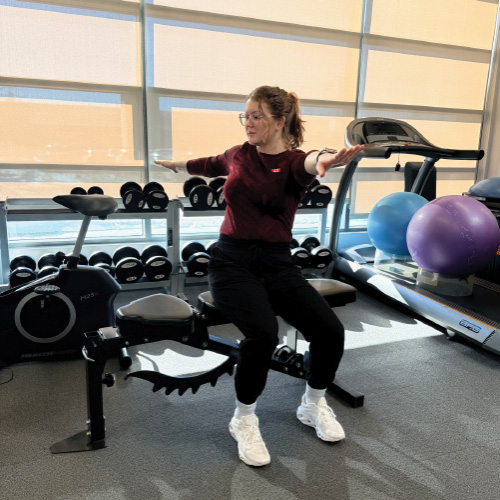
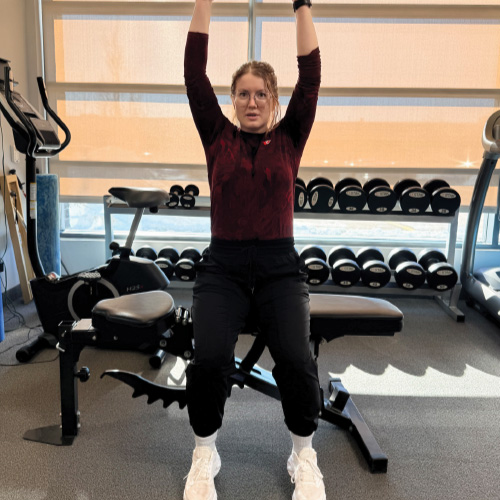
Sit up tall on a stable surface. Inhale and lift both arms up as straight as possible. Exhale and rotate your body to the side. Drop your arms to the level of your shoulders, trying to open your chest muscles and squeezing your shoulder blades together. Inhale, rotate back to centre, and raise your arms back beside your ears. Then repeat on the other side.
Meet the Northfield Co-ops

Hi everyone! My name’s Zach and I’m a fourth-year Honours Kinesiology student at the University of Waterloo. Over the past few months, I’ve had the opportunity to be a part of the SOS Physiotherapy team at their Northfield location, where I’ve been able to learn more about what goes on both behind the scenes and on the clinic floor. From helping out with day-to-day tasks to shadowing and supporting treatment sessions, this experience has given me a better understanding of what quality patient care really looks like.
This placement has been an awesome opportunity to apply what I’ve learned in class to real-life situations. Seeing how assessment findings influence treatment decisions and how small, intentional adjustments can lead to big improvements has really brought those concepts to life. I’m also extremely lucky to be able to work alongside such an incredible and knowledgeable team that is always willing to teach.
Outside of school and the clinic, I like to stay active by going to the gym and playing a variety of sports. In my downtime, you can find me spending time with friends and family, or playing the piano, guitar, or drums.
Hello friends! My name is Harneet, and I’m currently in my second year of the Joint Honours Health Sciences (Co-op) and Psychology program at the University of Waterloo. I have had the pleasure of completing my first co-op placement with the SOS Physiotherapy team at the Northfield location, an experience that has been instrumental in helping me develop a well-rounded skill set.
Through shadowing and assisting clinicians, I was able to bridge classroom learning with real-world practice, transforming once-abstract concepts into meaningful, hands-on experiences. Working at the front desk further supported my growth, both personally and professionally, as I built on my strengths and identified areas for improvement. Each week has brought new opportunities to learn, refine my skills, and gain confidence, always with the encouragement and support of my coworkers.
Most importantly, interacting with patients has been the highlight of my experience. Meeting individuals from diverse walks of life and witnessing their progress toward their physiotherapy goals has been incredibly rewarding. This role has strengthened my passion for healthcare and further motivated me to pursue a future career in sports medicine with dedication and purpose.
Outside of school and the clinic, I enjoy staying active by going to the gym and spending time on the hobbies that help me recharge and stay balanced. I love expressing my creativity through baking, cooking, and doing nail art, and I’m always eager to get lost in a good book or explore new places, whether that’s a trip to the mall or time spent outdoors.


Fresh, flavorful, and packed with vibrant greens, this Green Frittata is a delicious way to fuel your day. It’s a light yet satisfying recipe that’s perfect for breakfast, brunch, or a healthy anytime meal.
Enjoy This Healthy Recipe!
Green Frittata
- 2 eggs, lightly beaten
- 4 egg whites
- 2 tbsp fat-free milk
- 1 tsp snipped fresh chives
- 1/8 tsp black pepper
- ¼ cup shredded Parmesan cheese
- 2 tsp olive oil
- ½ cup 1/2-inch pieces asparagus
- ¼ cup sliced green onions
- ½ cup chopped spinach leaves
- 1 clove garlic, minced
- 1 small roma tomato, chopped
Preheat the broiler. In a small bowl combine the eggs, egg whites, milk, chives and pepper: stir in 2 tablespoons of the cheese. In an 8-inch nonstick broiler-proof skillet heat oil over medium. Add asparagus and green onions; cook and stir for 2 minutes. Add spinach and garlic; cook for 30 seconds. Pour the egg mixture into the skillet; reduce heat to low. Cook covered for 10 to 12 minutes. Sprinkle with the remaining 2 tablespoons of cheese. Place skillet under broiler 4 to 5 inches from heat. Broil 1 minute or just until the top is set and the cheese is melted. Top with tomato.
Plasma Car Races
SOS is proud and excited to take part in this year’s Plasma Car Races to raise money and resources for Kidsability in Waterloo. The race takes place on March 4 at Catalyst137 in Kitchener from 5-6:30pm with a social afterwards. Let’s work atogether to help support kids in our community! To sponsor our team and donate to this very special cause, click the button below:


On Your Way to 5km Free Spring Running Program
This year we’re so happy to be celebrating our 5th year of the program!!
This will be a fun and free 10 week beginner’s running program, happening weekly on Wednesday evenings from 7:15-8:15 pm starting Wed. March 18, 2026. We will meet at our SOS Northfield clinic in Waterloo (595 Parkside Dr. Suite 5A in Waterloo Corporate Campus).
To register for this beginner’s running program, click below:
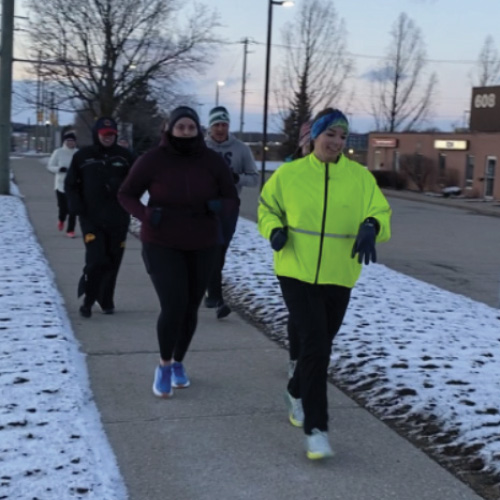
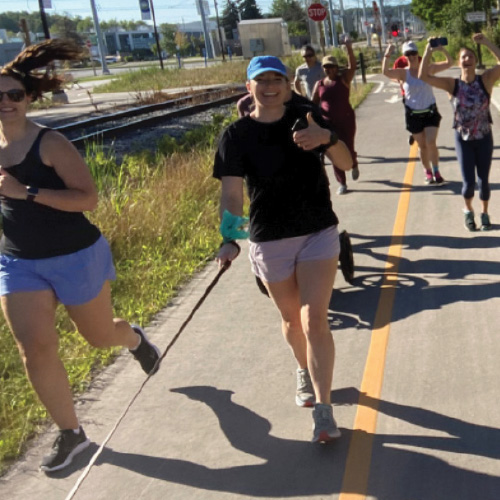
This running group is open to EVERYONE who is ready to learn to run safely and is already physically capable of walking at least 30 minutes without pain. No running experience is necessary to join as this is geared towards beginners.
The group will be hosted by our Chiropractor and running enthusiast Rachel Goldsworthy and Physiotherapist and running athlete, Amanda Calford. Throughout the program we will also have several guest clinicians join us as well.
Here’s what you can expect to get out of this program:
* FREE “On Your Way to 5K” digital training plan!
* Weekly Run/Walk 30-60 minute workouts led by Rachel and Amanda!
* Complete a 5 KM run at the end of the 8 weeks!
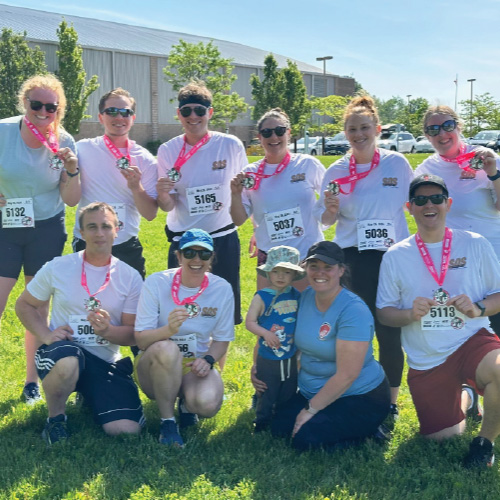
To celebrate our accomplishments, all registrants who wish to, get to run the Neil Dunford Memorial 5 KM on May 20 at Wilmot Recreational Centre, in Baden together!
Pain-Free Pickleball Workshop

In this hour and fifteen minute Workshop, Physiotherapist Arthur Szydlowski will discuss…
*Big mistakes made by pickleball players of all experience levels
*The most important muscles when it comes to Pickleball
*Common causes of pain when playing Pickleball
*What does treatment look like for a Pickleball injury
*Arthur and Coulton’s TOP 3 Exercises to help you play your best game!