


Time Flies!
By: Ann Goerz, Marketing Manager for all SOS clinics as well as our West End Physiotherapy in Vancouver
Well, it’s January 2026 and that means a new year has begun according to our calendars. Every year around this time I do lots of reflecting. Call me sentimental, but the holidays always make me reminisce of years gone by. It’s also a time filled with traditions in my household and so the act of repeating certain activities year after year easily prompts memories and reveals how things have changed.
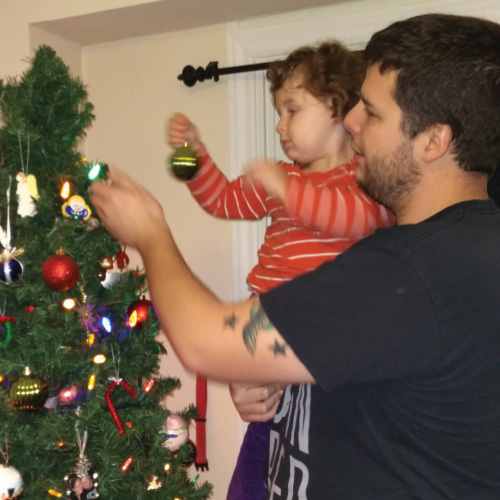
Simple traditions like hanging the star on our Christmas tree look a bit different. While in the past my husband, Mike, would lift up each of our little girls to take turns placing the star just right, now our oldest could reach it on her own and our youngest took great pleasure in reaching the top by standing on the couch beside it. At nearly 9 and 11 years old, they do most of the decorating now without any help from us!
Another tradition we’ve kept since before the girls were born, is baking shortbread and sugar cookies and delivering them to our friends and neighbours on Christmas Eve. Some years this has been delayed due to the inevitable Christmas illnesses circulating. Some years were a true labour of love given the spectacle of sprinkles, flour, butter, and sugar that exploded in our kitchen/dining room as the girls ‘helped’ bake and decorate. I was reminded of this this year since I offered to do some baking with a friend who has much younger children. It was fun to see my girls take the lead now and help teach them what to do. It’s funny how you don’t always realize how much your kids have grown until you see them next to younger littles. Time sure flies!
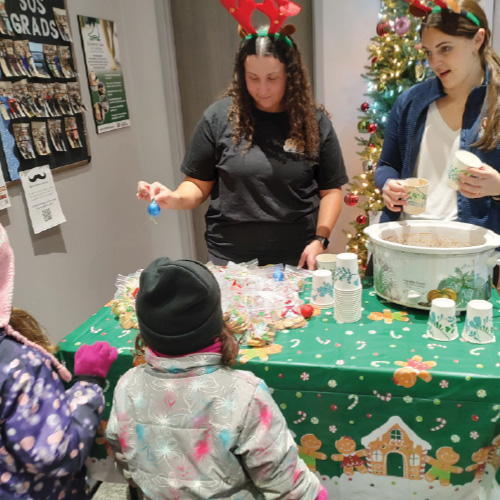
Along with decorating and baking, we also love to hit up the Elmira Moonlight Madness to see the tree light up, watch some ice sculptures being made, and stop by the Elmira SOS clinic for cider, colouring, and cookies. It’s hard to believe that I started out at our Elmira clinic working the front desk 10 years ago this April! Elmira will always hold a soft spot in my heart.
Things have definitely changed in 10 years. When I started, SOS had 3 clinics and Elmira was still very new. Now, we have 5 local locations plus a sister clinic in Vancouver! It’s been so fun to watch and be a part of the growth over the years here. All the staff holiday parties, campfires, fun outings, and the people who have come and gone are like snapshots on a reel in my mind.
This 2026 I am so grateful for all the opportunities and traditions I’ve experienced and the people I’ve had the pleasure of sharing them with.
Cheers to another great year with both making new and keeping old traditions!



Stop It Before It Starts: Simple Tips to Prevent Shoulder Pain
If you’ve ever suffered a shoulder injury, then you know how debilitating it can be. Not only are you experiencing persistent pain, but most shoulder injuries also restrict the range of motion in the joint, making day-to-day tasks — from grabbing a cup off the high shelf to brushing your hair — feel nearly impossible.
At SOS Physiotherapy, our team of physiotherapists will work with you to identify and resolve the underlying causes of your shoulder pain. We offer acute pain relief and can guide you through complete shoulder rehabilitation regardless of whether or not you require surgery, and often, you can resolve a shoulder injury with physiotherapy alone!
But that process can take a while, and we want to help you avoid shoulder injuries, too. While we do incorporate injury prevention information into our rehab programs, it’s never a bad time to start incorporating small changes into your routine that can help prevent shoulder pain.
If you’d like to learn more about how we help prevent and alleviate shoulder pain, call us to schedule an appointment today!

What Causes Shoulder Pain and Injury, Anyway?
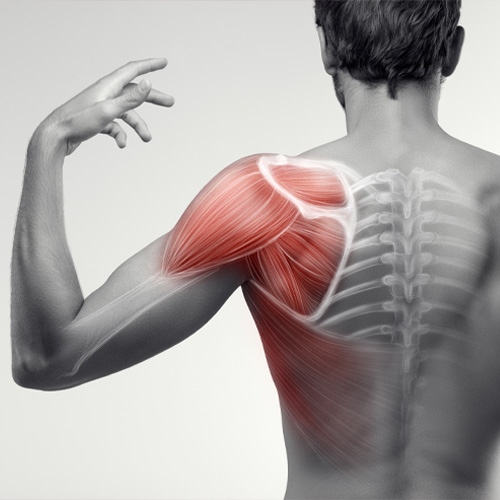
Your shoulder is an incredibly complex ball-and-socket joint with several moving parts, including:
- Three separate bones: the humerus (arm bone), scapula (shoulder blade), and clavicle (collarbone)
- Cartilage that wraps and protects these bones from rubbing against each other
- The three main ligaments that connect your shoulder’s bones
- A collection of muscles and tendons known as the rotator cuff that wrap and support the shoulder joint
- Bursae: small fluid-filled sacs that protect your tendons
Damaging any of these structures can lead to shoulder pain, weakness, and immobility. Some people injure their shoulders through sudden, acute injuries, especially if they’re active — a hard fall on the football field could tear their rotator cuff or dislocate the arm bone out of their shoulder socket.
However, many shoulder injuries are actually overuse injuries, meaning the pain and immobility symptoms occur due to repeated micro-injuries in your shoulder’s tissue. Often, sports-related shoulder injuries are actually due to overuse, as repeated overhead motions (such as throwing a ball or certain swimming strokes) put stress on the shoulder joint, leading to symptoms.
Using improper form can also contribute to overuse injuries, such as improper posture — a weak upper back strains your shoulder muscles, making them do more work than needed.
Preventing shoulder pain is really about preventing these overuse injuries. By making small changes, you can keep your shoulders strong, healthy, and pain-free!
5 Ways You Can Help Prevent Shoulder Pain
- Strengthen your upper body: Strong upper back and shoulder muscles are better able to provide the shoulder joint with the support and stability it needs, meaning you’ll be less likely to suffer an injury. Not sure how to get started? Our PTs can walk you through some appropriate exercises.
- Keep your mobility: We can show you simple range of motion exercises that will get the blood flowing to your joints, keeping them healthy. Reaching overhead, across your body, or behind your back are all basic stretches that can do wonders — just make sure you never force a movement!
- Don’t forget to warm up first: Many popular recreational activities put you at risk for a shoulder injury, including swimming, pickleball, and tennis. It’s crucial that you warm up your shoulder before you dive in. Try some quick cardio paired with active shoulder stretches (like arm circles).
- Maintain proper posture: Proper posture isn’t about standing up straight all the time; it’s about maintaining postural awareness and keeping your spine in alignment no matter what you’re doing. And if you have a sedentary job, move around regularly. Both habits will help keep your upper back and shoulders strong.
- Pay attention to ergonomics: If your workspace isn’t shoulder-friendly, you might wind up with an overuse injury. Simple changes — like adjusting the height of your computer monitor or maintaining good posture when using hand tools — will reduce repetitive stress and lower your chances of developing shoulder pain.
Need A Little Help? We’ve Got You
The SOS Physiotherapy physiotherapists can help you prevent shoulder injuries as easily as we can treat them! Whether you’re looking for a shoulder stretch and strengthen routine, postural corrections, or some simple ergonomic adjustments, we’re here for you.
Call us today to get started!
Kickstart Your Heart Health


Valentine’s Day often brings thoughts of hearts to mind, but it’s also a perfect reminder to focus on the health of our actual hearts. While chocolates and roses are nice, investing in your heart health is one of the best gifts you can give yourself and your loved ones.
Let’s explore how physiotherapy at SOS Physiotherapy can be a cornerstone in maintaining and improving heart health, with guidance supported by peer-reviewed research.
The Role of Physiotherapy in Heart Health
Physiotherapy isn’t just for rehabilitation after injuries; it’s also a proactive approach to maintaining and improving overall health, including heart health. According to studies, regular physical activity is vital in preventing heart disease and managing existing cardiovascular conditions. Our physiotherapists will tailor exercise programs to suit individual needs, especially for those who might find starting an exercise routine daunting or those with existing health concerns.
Customized Cardiovascular Exercise Plans
One of the fundamental ways physiotherapy supports heart health is through cardiovascular exercise plans. These exercises, designed to increase heart rate and improve blood circulation, are essential for a healthy heart. At SOS Physiotherapy, our physiotherapists can develop personalized exercise regimens that are safe, effective, and enjoyable, ensuring adherence and long-term commitment.
Addressing Risk Factors for Heart Disease
Physiotherapists play a crucial role in addressing and modifying risk factors for heart disease. They can guide patients in managing obesity, hypertension, and high cholesterol through exercise and lifestyle changes. Regular physical activity, as recommended by our therapists, has been shown to reduce the risk of heart disease significantly.
Improving Heart Function with Aerobic Exercises
Aerobic exercises, such as walking, jogging, swimming, or cycling, are particularly beneficial for heart health. These activities help strengthen the heart muscle, improve blood flow, and increase the body’s ability to use oxygen. Tailoring these activities to individual capabilities and progressions is a key aspect of our physiotherapy programs.
Strength Training for a Stronger Heart
Beyond aerobic exercises, strength training also plays a role in heart health. Research suggests moderate-intensity strength training can improve cardiovascular health by reducing body fat, increasing muscle mass, and improving insulin sensitivity. Our highly skilled physiotherapists can guide you on safe and effective strength training routines.
Education and Lifestyle Modification
Physiotherapists provide valuable education on lifestyle modifications to promote heart health. This includes advice on a heart-healthy diet, smoking cessation, stress management, and maintaining a healthy weight. These lifestyle changes, coupled with regular exercise, form a robust defense against heart disease.
Encouraging Regular Physical Activity
Staying active is crucial, and our SOS Physiotherapy physiotherapists can offer strategies to incorporate more physical activity into daily routines. This might include brisk walking, taking the stairs, or engaging in recreational sports. Regular physical activity is one of the most effective tools in maintaining heart health.
Embrace Heart Health This Valentine’s Day and Beyond
As Valentine’s Day draws near, let it inspire you to take action for your heart’s health. Consult with one of our SOS Physiotherapy physiotherapists to kickstart your journey toward a stronger, healthier heart. Whether it’s beginning an exercise regimen, managing a chronic condition, or recovering post-surgery, personalized physiotherapy is your ally in achieving lasting heart health.
Make this Valentine’s Day the start of a lifelong commitment to a happier, healthier heart. Act now and show your heart the love it deserves!
Reignite Your New Year’s Resolutions
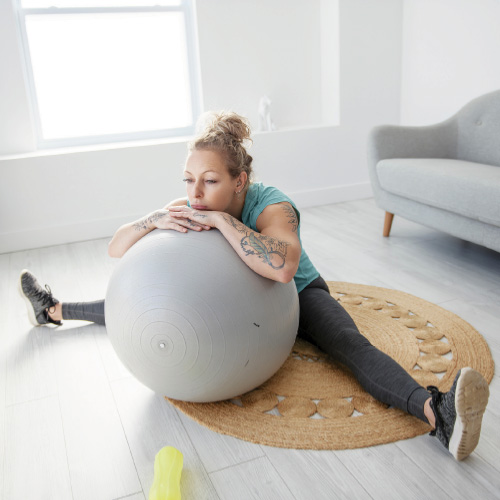
Did you set big goals last month? And have they already started to fizzle out?
The good news: You’re not alone. The better news: SOS Physiotherapy can help you reignite your New Year’s resolutions so you can achieve your health and wellness goals all year long.
- Is pain holding you back? Our physiotherapists will dig down to the root cause and find a lasting solution.
- Did you burn out? Many people go a little too hard at the start of the new year. We’ll help you find a sustainable health or fitness program to stay with you for life.
- Are you overwhelmed by choice? One of our comprehensive assessments can give you a sense of any biomechanical issues or muscular imbalances in your body–helping to hone your focus.
No matter what goals you set on January 1st, our team wants to see you accomplish them. Schedule an appointment with us today to get started!

Living Well with Chronic Pain and Illness Support Group
Do you or a loved one have chronic pain or illness? Looking for support, connection, and ways to improve your quality of life?
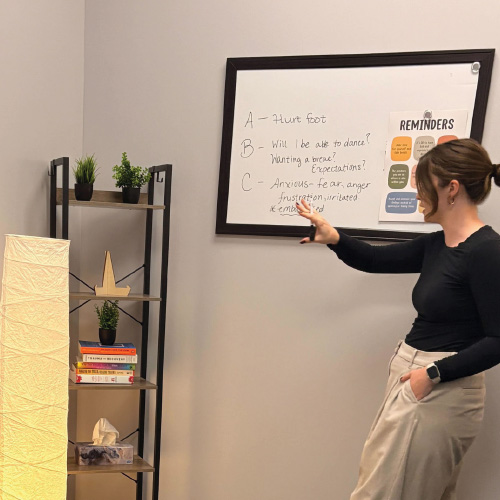
Our Psychotherapist Ali Darling is running a 5 week support group starting Tues Feb 17, 7-8:30pm at our SOS Guelph clinic.
Some of the things that will be covered include:
- Practice mindfulness and grounding practices.
- Explore ways to manage distressing emotions and thoughts around pain.
- Learn tools for finding meaning, connection, and joy – even with limitations.
- A supportive space with others who understand your experiences.