



By Robbie Frank, BSc(HK), MScPT, a Physiotherapist at S.O.S. Belmont

Hello everyone!! My name is Robbie Frank, and I’m a physiotherapist at the Belmont Clinic in Kitchener.
I recently returned to Cyprus to visit friends and family. For those who haven’t heard of Cyprus, it’s a beautiful Mediterranean island known for its sandy beaches, turquoise waters, stunning mountains, and delicious food. My wife and I lived there for five years, so it was wonderful to revisit our island life, despite the 14-hour flight being a bit of a challenge. The trip was definitely worth it, especially when we were welcomed by sunshine and a pleasant 30 degrees upon arrival.
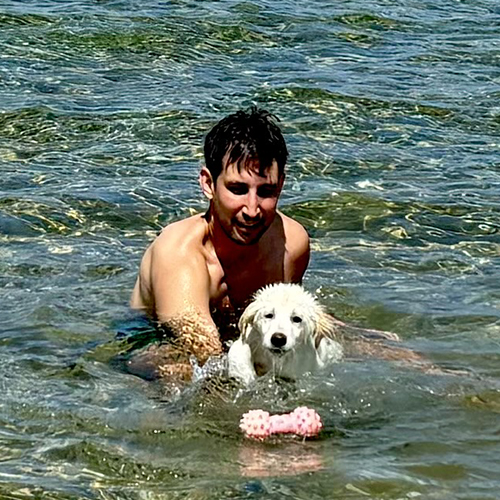
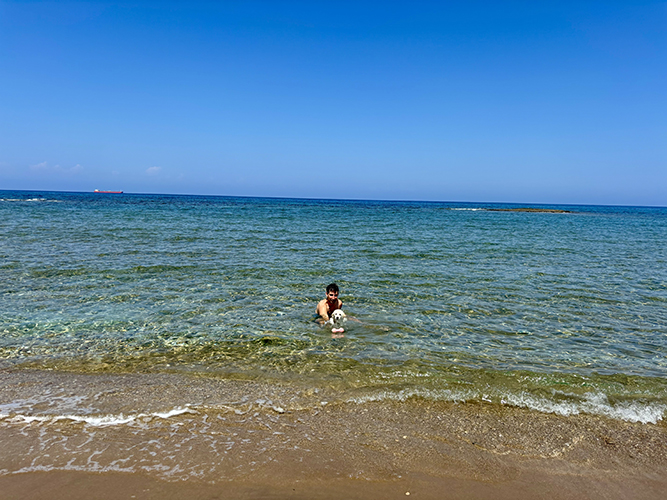
Since moving back to Canada at the beginning of the year, it’s incredible to see how much can change in just 12 months. They’ve opened a new harbour lined with restaurants and cafes, which is lovely for a stroll. My in-laws now have a new puppy named Samba, who is just two months old. We took her to the beach, where she enthusiastically jumped into the waves despite her initial hesitation. Our close friends’ toddlers have grown up so much that they now speak in full sentences and are already asking what Uncle Robbie and Auntie Naz will bring them as gifts!
One comforting constant was our favourite restaurants — unchanged and just as welcoming as ever. I can attest that food really does taste better when it’s in season!
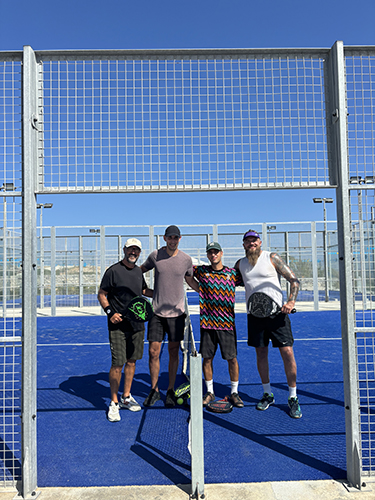
We packed our holiday with activities, including early mornings playing Padel, a sport my wife and I recently picked up in KW. Padel, which originated in Mexico in 1969 as a variation of tennis, is incredibly popular in Europe. It gained traction in Spain during the 1980s and has since spread worldwide, blending elements of tennis and squash. In Cyprus, I played with a diverse group: Necat from Germany, myself from Canada, Edis from Cyprus, and Kimi from Denmark.
We enjoyed the beaches and pools, making the most of our tanning time and cooling off during siesta hours. I also started listening to podcasts more frequently and am always on the lookout for new recommendations! One of the most unique spots we visited was Golden Beach, where donkeys roam freely in search of shade and carrots.
Saying goodbye to friends and family is always bittersweet, but I’ve returned refreshed and with the warm weather!
.


We’re growing!
Have You Heard The News?
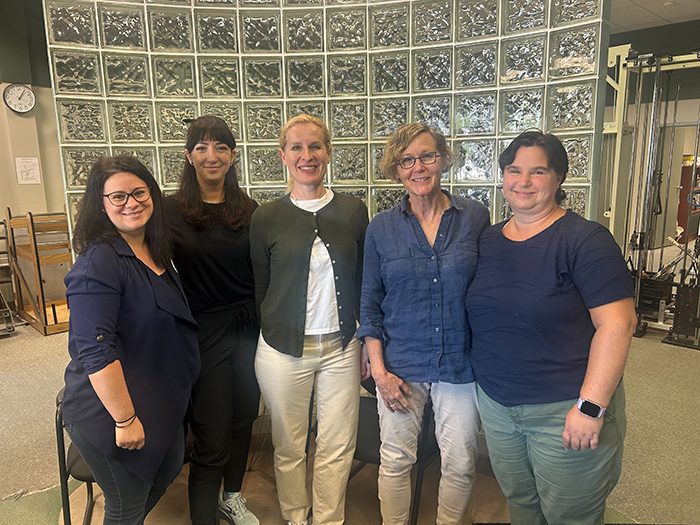
Leading Edge Physiotherapy Centre is now becoming
part of our SOS Physiotherapy family!
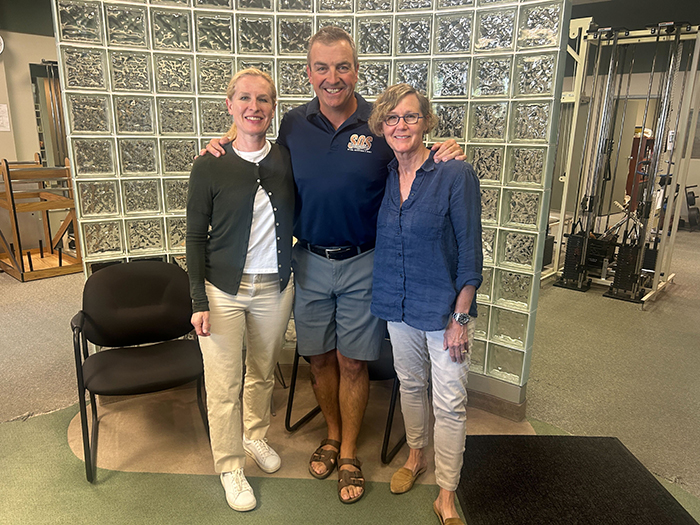
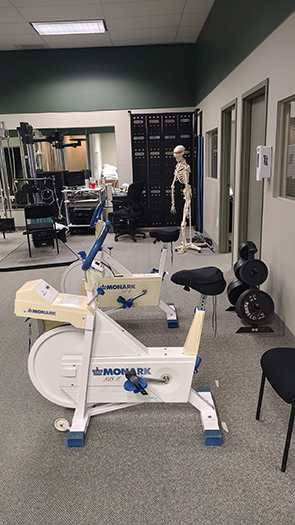
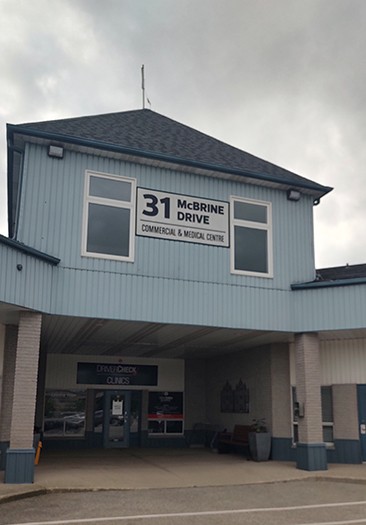
Leading Edge has been a pillar in South Kitchener for over 25 years and we believe that together we can serve this community even better. Plus, this location will be our primary hub for all MVA and WSIB/Workers’ Compensation patients! Are you or your family in need of these services? Perhaps you live closer to this area (near Williamsburg)? If so, call our new SOS Leading Edge clinic at 519-893-4363 or come stop by to say ‘Hi’. We are open and located at 31 McBrine Drive-Suite 7 Kitchener.




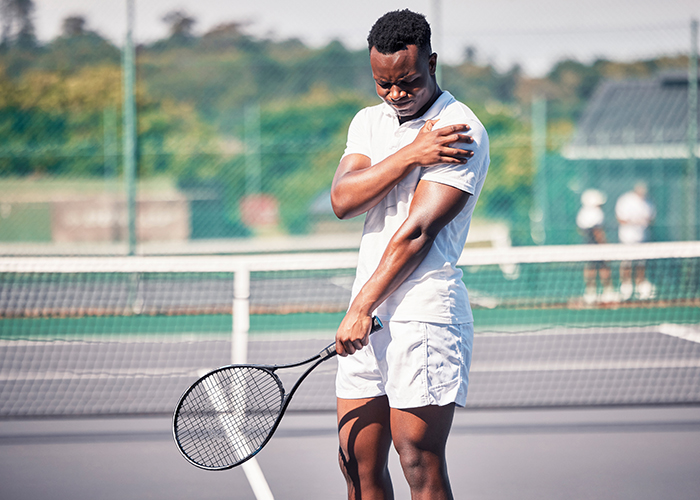
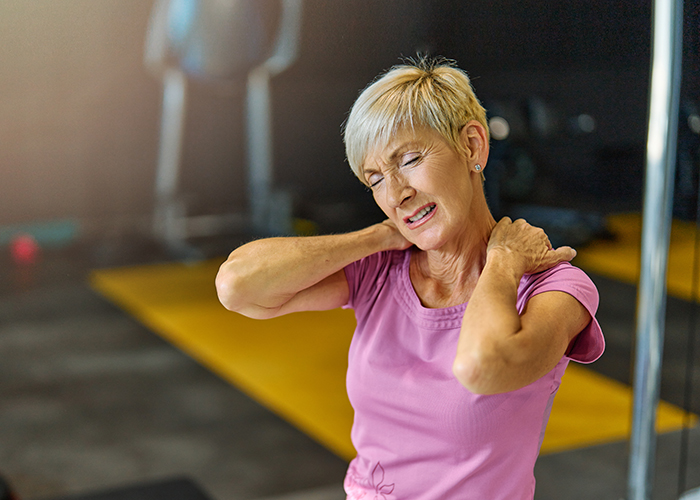
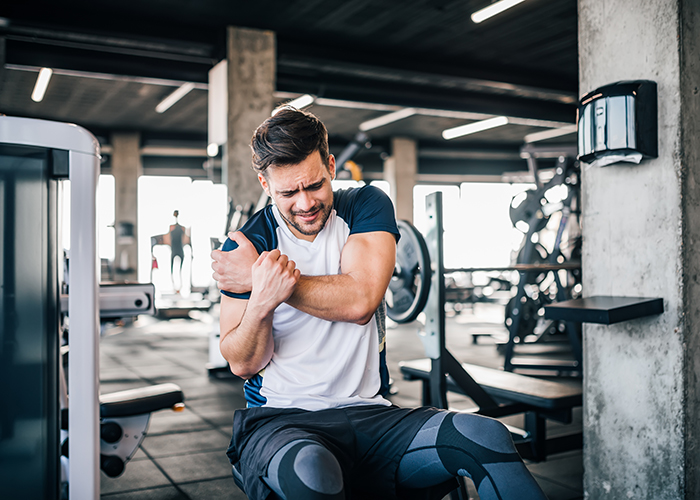
You don’t have to be a professional or even an amateur athlete to suffer a sports injury. Many times, those most susceptible to sports injuries are people who have just started exercising or participating on a recreational level. Our team of physiotherapists excels at knowing how to deal with an injury and how to prevent them as well!
Call SOS Physiotherapy today to make an appointment. With guidance from our sports physiotherapists, you don’t have to worry about what you should be doing. We’ll get you back to playing the game you love safely!
What are the Most Common Sports Injuries?
The most common type of injury seen in sports occurs in the soft tissues. Soft tissues include muscles, tendons, and ligaments. These injuries often occur during sports and are the main reason people seek help.
It can be challenging to know when an athlete’s aches and pains are warning signs of an injury. It can also be challenging to know when to rest and when to keep playing. Our physiotherapists will use an injury assessment to help athletes and families determine if a sprain or strain needs intervention.
Identifying injuries early allows for an “active recovery” to assist the athlete in returning to sports rather than waiting to do nothing or hoping it gets better on its own.
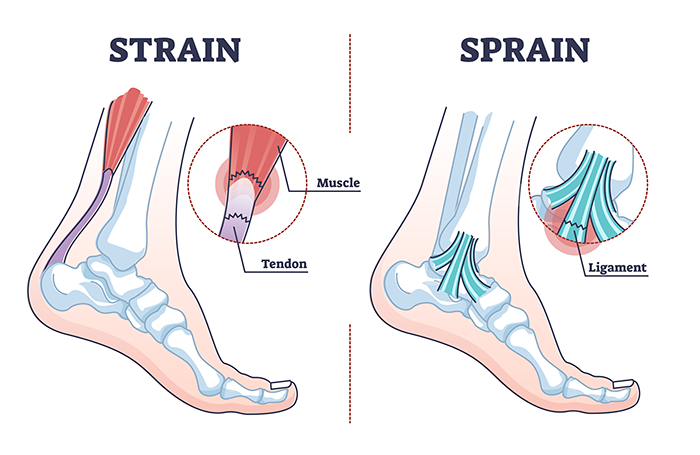
What is the Difference Between a Sprain and a Strain?
SPRAINS
A sprain occurs when the ligament is stretched or torn. Sprains are caused by trauma like rolling your ankle on rough ground or being hit by an object or tackled by someone.
These events will cause the joint to move out of its normal range of motion resulting in the overstretching or tearing of a ligament. Ankles, knees, and wrists are most vulnerable to sprains, but it is possible at any joint.
STRAINS
A strain is an injury to a muscle and/or tendon. Tendons are fibrous cords of tissue that attach muscles to bone. Strains often occur in the back or leg (typically, the hamstring). Strains are due to non-contact injuries, such as those that arise from overstretching.
The recommended treatment for a strain is the same as for a sprain. Your physiotherapist will first assess your injury to determine what course of treatment is the best option. The emphasis should be to relieve pain and restore mobility, followed by simple exercises that progress you back towards sport participation. For a more severe tear, surgery may be necessary.
How physiotherapy can help with a sprain or strain injury
Knowing the correct exercises to prepare for the return to sports activities is vital. Our physiotherapy experts have years of experience rehabilitating people after injuries and returning them pain-free to the sports activities they enjoy.
We will start with an injury assessment to help determine if the athlete needs intervention. Identifying injuries early allows for an “active recovery” to assist the athlete’s return to sports rather than waiting to do nothing (passive recovery).
Your physiotherapists will create a specific exercise plan based on your needs to resume sports and prevent further injury. Even if you have an old injury, it is essential to have it evaluated by our physiotherapists to prevent long-term damage.
We can also help with injuries like tendonitis, arthritis, stress fracture, or muscle pain. Our therapists can design a treatment plan to address pain, mobility loss, and weakness and promote improved sport-specific function and minimize the risk of re-injury.

What you can expect in physiotherapy
In addition to rehabilitating an injury, our physiotherapist will help teach you the tools you need to prevent injuries and help your overall well-being. We recommend the following additional strategies for injury prevention:
• Sleep is one of the most effective strategies to reduce injury rates and improve sports performance. Try to get 8-10 hours per night.
• Foam rolling is an effective way to warm up tissue without negatively affecting performance.
• Strength training can keep the joints supported and the muscles and tendons resilient.
• Nutrition matters. A well-balanced diet is the best approach to assist us in staying in the game!
• Hydration is essential for recovery and injury prevention.
Sports injuries often occur from ill-prepared individuals who just jump into the activity without increasing their strength, endurance, and sports-specific training activities. Therefore, if you are not in top condition, you are more prone to injury.
Contact Us for an Appointment
At SOS Physiotherapy, our therapists are dedicated to helping you avoid surgery and keeping you in the game! Call today for a comprehensive assessment and treatment program.
SOS BBQ — A Sizzling Success in Bamberg!
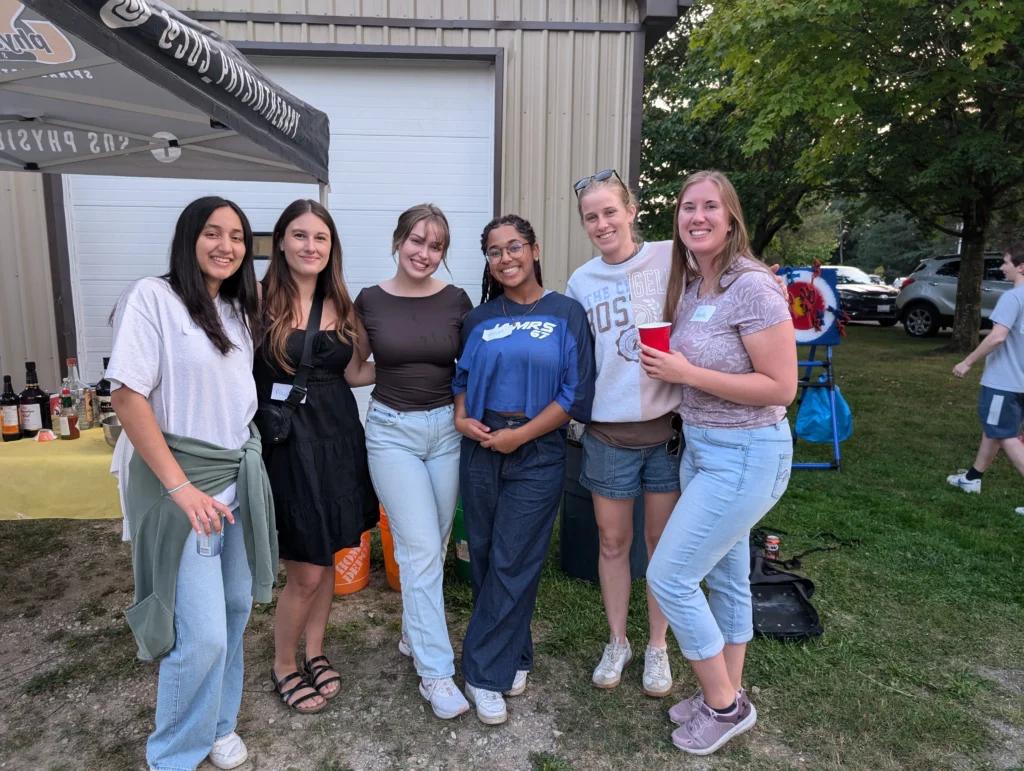
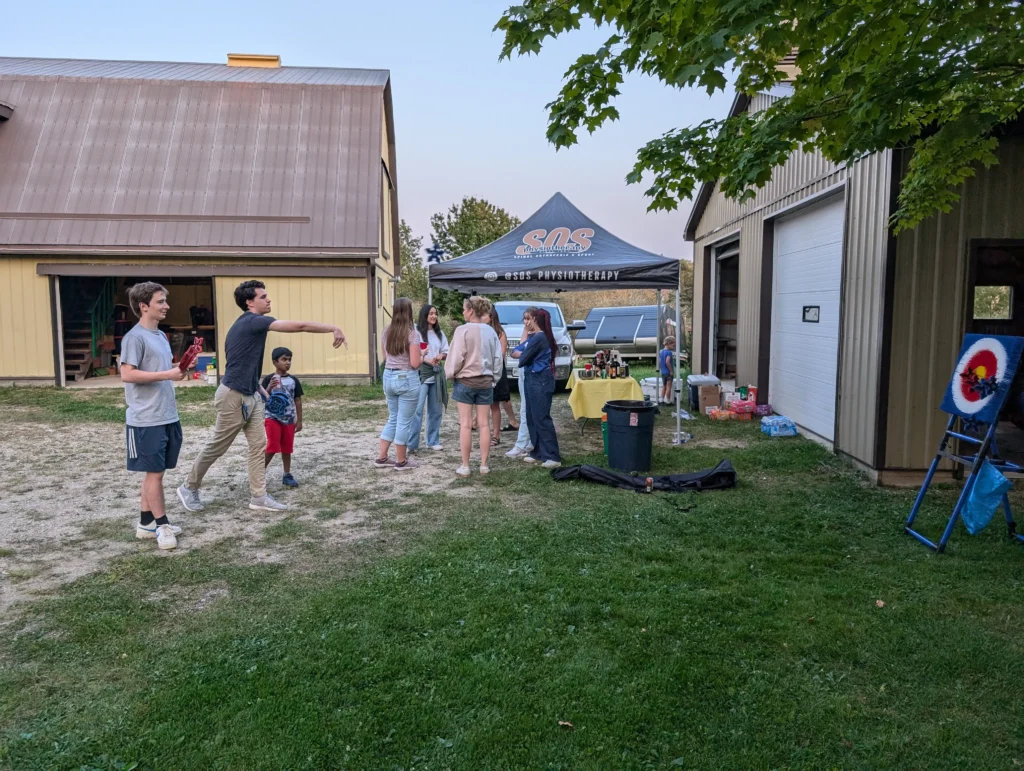
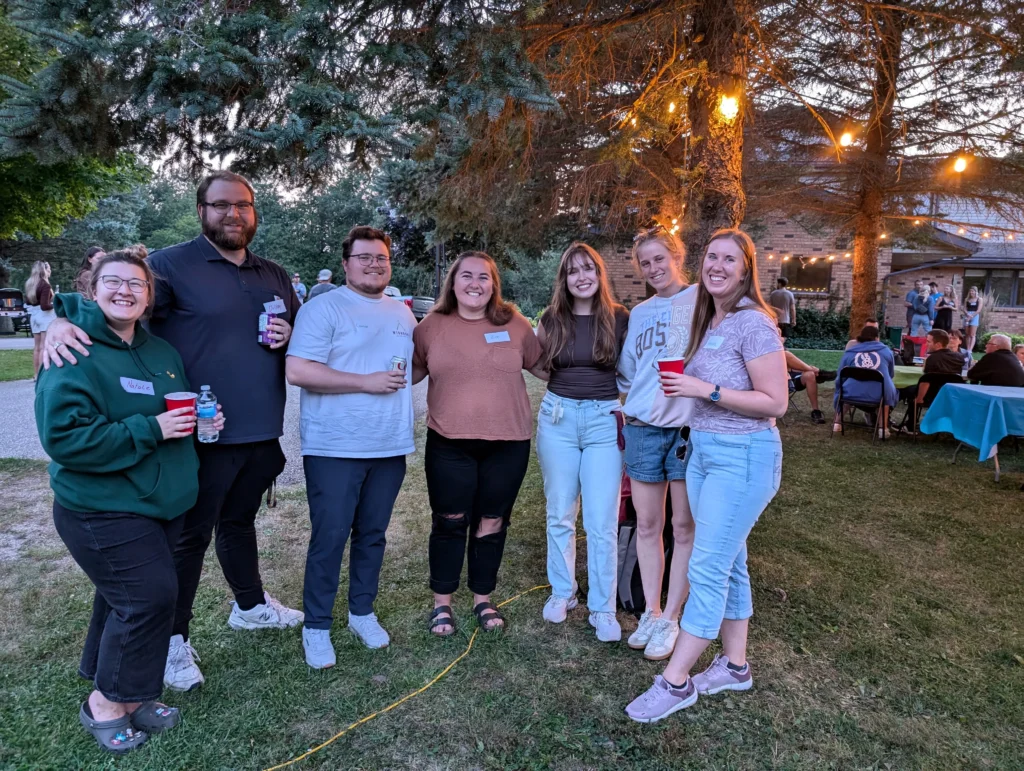
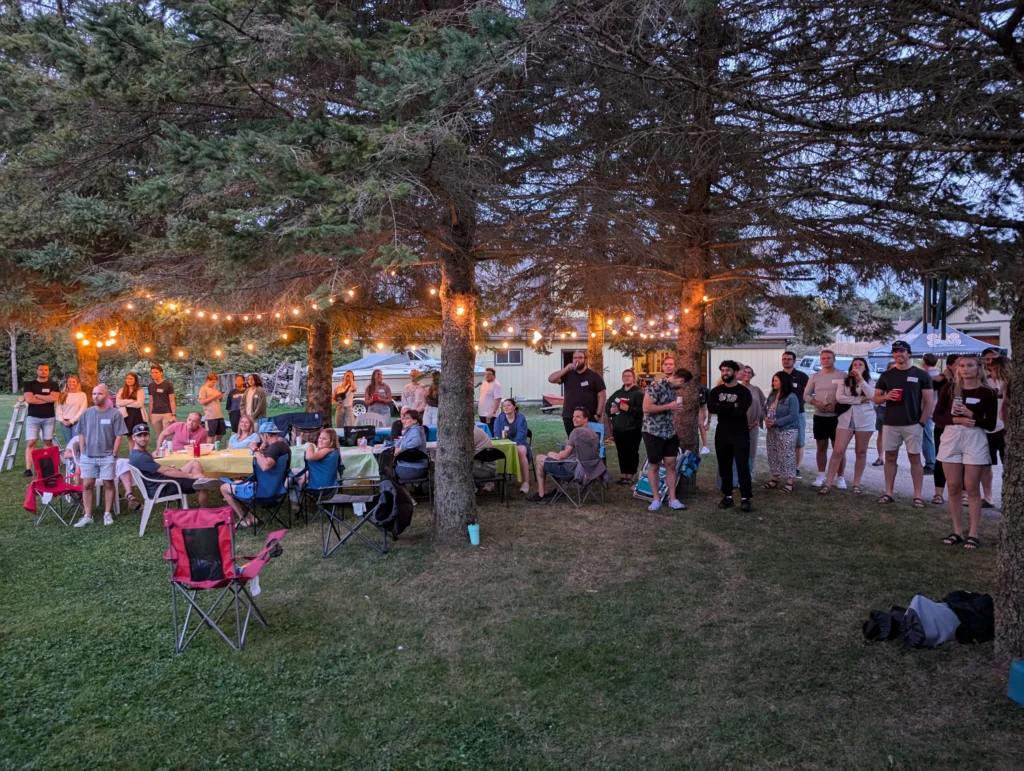
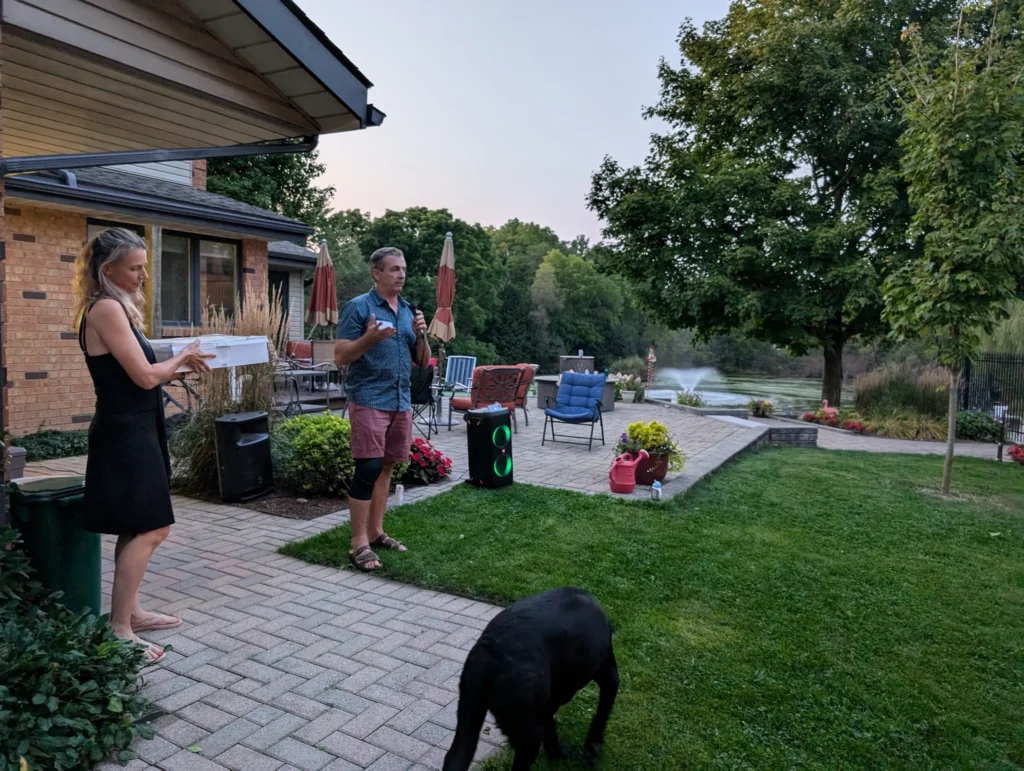
We had a fantastic time at our recent Staff BBQ held in Bamberg! It was great to see everyone again, reconnecting and catching up with old friends while welcoming the Leading Edge Physiotherapy team into our community. The weather was perfect and there was a lot of food!
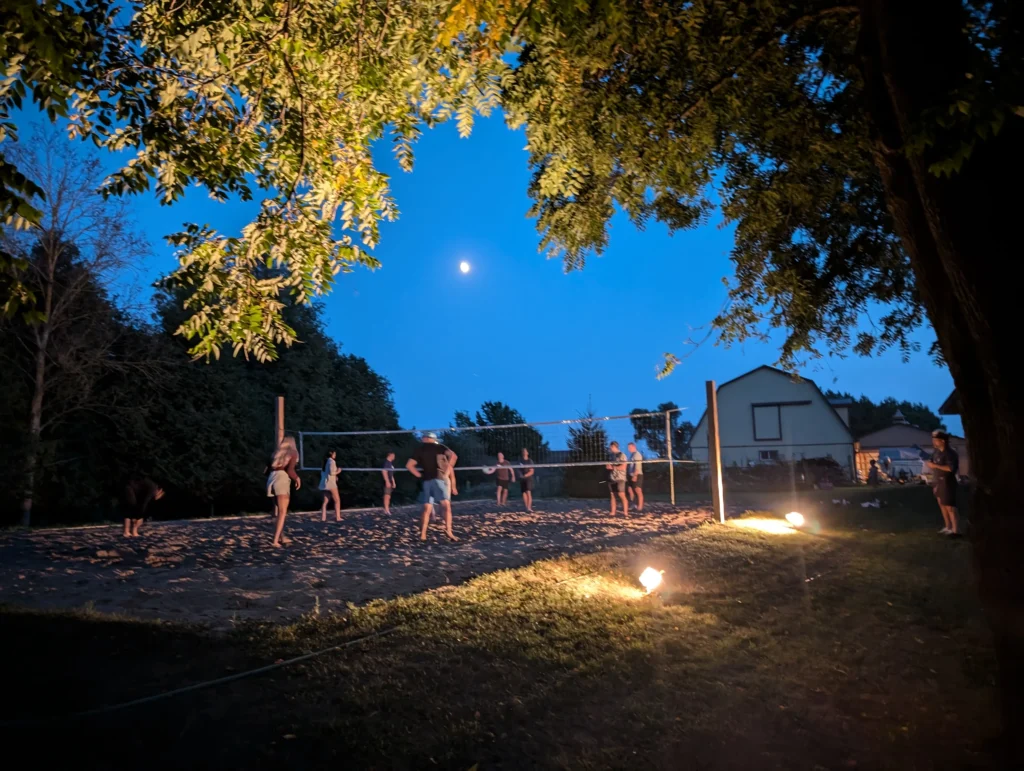
You can imagine when you get a group of physiotherapists together that even the most friendly activities turn into a competition. Even the flood lights came on as the volleyball game went into the night- the SOS Team does not shy away from friendly competition! As the evening went on, like every great get together, we gathered around the fire sharing songs and stories.
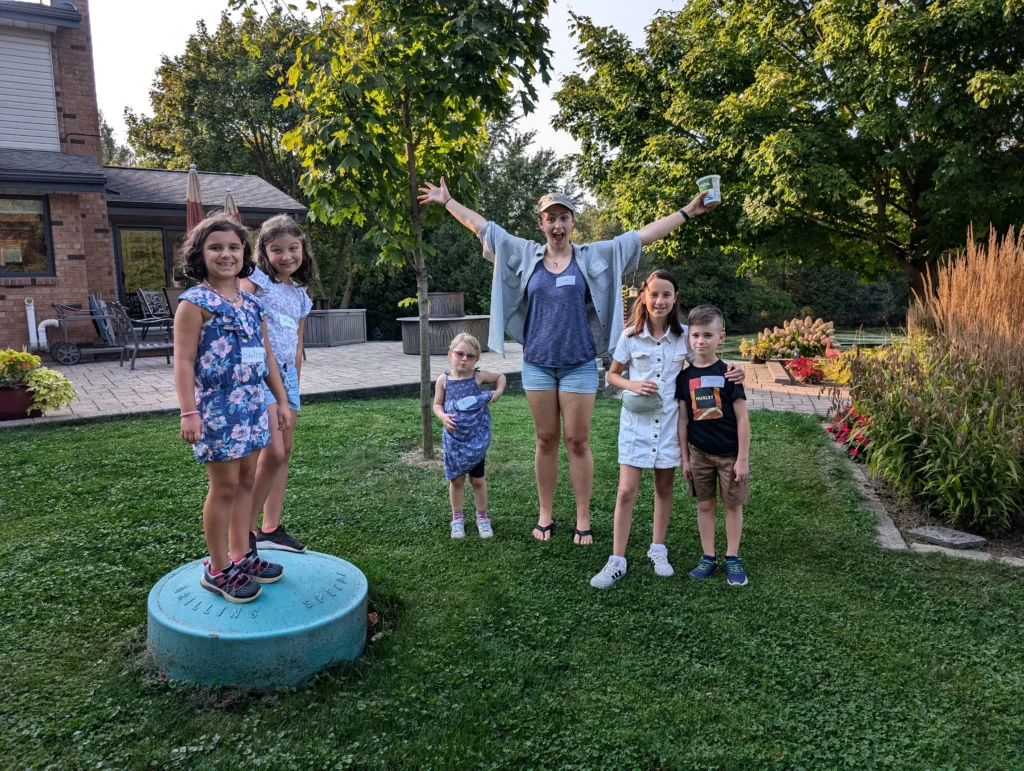
A special highlight was seeing everyone’s kids enjoying the day, especially our youngest guest, Archie, who slept through all the excitement at just three weeks old! Congratulations to Stephen and Laura on their new addition! Thank you to everyone who made this event possible; it was a wonderful reminder of the community we’ve built together. I know we are all looking forward to the next SOS gathering.








Feel Better by Eating Better!
Sweet & Sour Cauliflower
Easy and healthy Baked Sweet & Sour Cauliflower is a delicious twist on classic sweet & sour chicken or pork and it’s baked instead of fried. You won’t miss meat in this lightened up classic!
Directions:
Preheat oven to 425 degrees. Toss cauliflower and oil in a ziplock bag. Add corn starch and toss to coat again. Transfer cauliflower to a greased baking sheet. Bake for 15-20 min until cauliflower starts to brown on the bottom. Switch oven to broil and cook on high for 3-4 minutes just until tops start to brown. Combine sugar, vinegar, soy sauce, garlic powder, onion salt, and ketchup in a medium sauce pan. Stir and bring to a boil. Whisk together corn starch and cold water in a small bowl until dissolved. Add to pan and stir until thickened, then reduce to low heat. Combine roasted cauliflower and sauce. Serve with steamed rice and top with sliced green onions.
Recipe: www.lecremedelacrumb.com/baked-sweet-sour-cauliflower
Ingredients
- 5-6 cups cauliflower florets
- 3 tbsp vegetable oil
- 1/3 cup corn starch
- 3-4 cups steamed rice, for serving
- Thinly sliced green onions for garnish
- 3/4 cup sugar
- 2 tbsp soy sauce
- 1/2 cup apple cider vinegar
- 1 tsp garlic powder
- 1/2 tsp onion salt
- 1/4 cup ketchup
- 1 tbsp cornstarch
- 2 tbsp cold water
Build strength, power, and coordination
Kettlebell Clean and Press
The kettlebell clean and press is an excellent full-body exercise that builds strength, power, and coordination by engaging multiple muscle groups, including the legs, core, and shoulders. It also enhances functional movement patterns, making everyday tasks easier while improving overall stability and athleticism.
Here’s a simple kettlebell clean workout that you can try. It focuses on technique, strength, and conditioning. Make sure to warm up before starting, and adjust the weights as needed.
Kettlebell Clean and Press
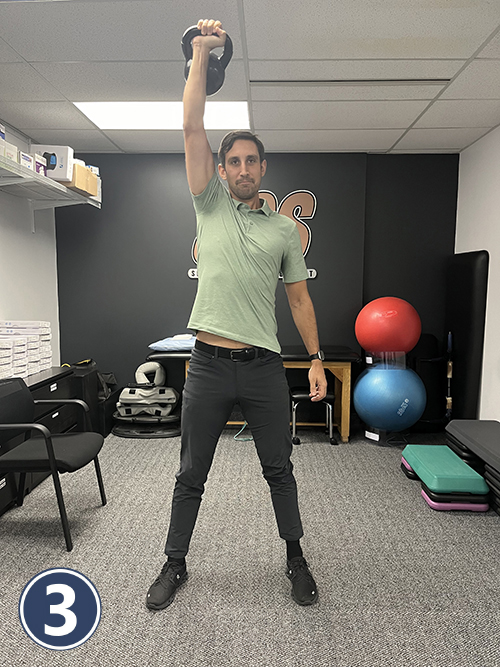
Instructions:
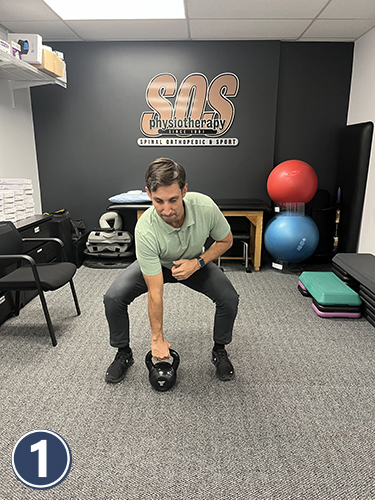
- Start with the kettlebell on the ground between your feet.
- Hinge at your hips, bend your knees, and grasp the kettlebell with one hand.
- Drive through your heels, extending your hips and knees to lift the kettlebell.
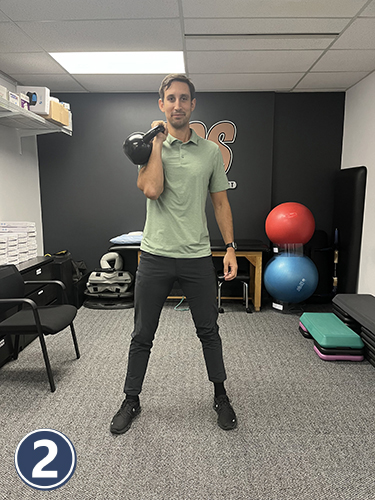
- Pull the kettlebell up close to your body, rotating your wrist to catch it in the “rack” position at your shoulder.
- From the rack position, press the kettlebell overhead until your arm is straight.
- Lower back to the rack position and repeat.
Workout:
- Sets: 3
- Reps: 6-8 per arm
- Rest: 60 seconds between sets
Tips:
- Focus on form and control; it’s better to use a lighter kettlebell than to risk injury.
- Engage your core throughout the movements.
- Increase the weight gradually as you become more comfortable with the exercises.
Enjoy your workout! If you have any questions or need modifications, feel free to ask!
Never do an exercise that causes you pain
Let’s Get You Better ASAP!
Don’t let pain dictate your life. Take the first step towards reclaiming your mobility and well-being with our expert support. Start your journey to a healthier you today.